
In an always-connected world, many Americans experience chronic stress, mental fatigue, and burnout. Mental health research consistently shows that stepping away from routine and experiencing new environments plays a powerful role in emotional balance and psychological resilience.
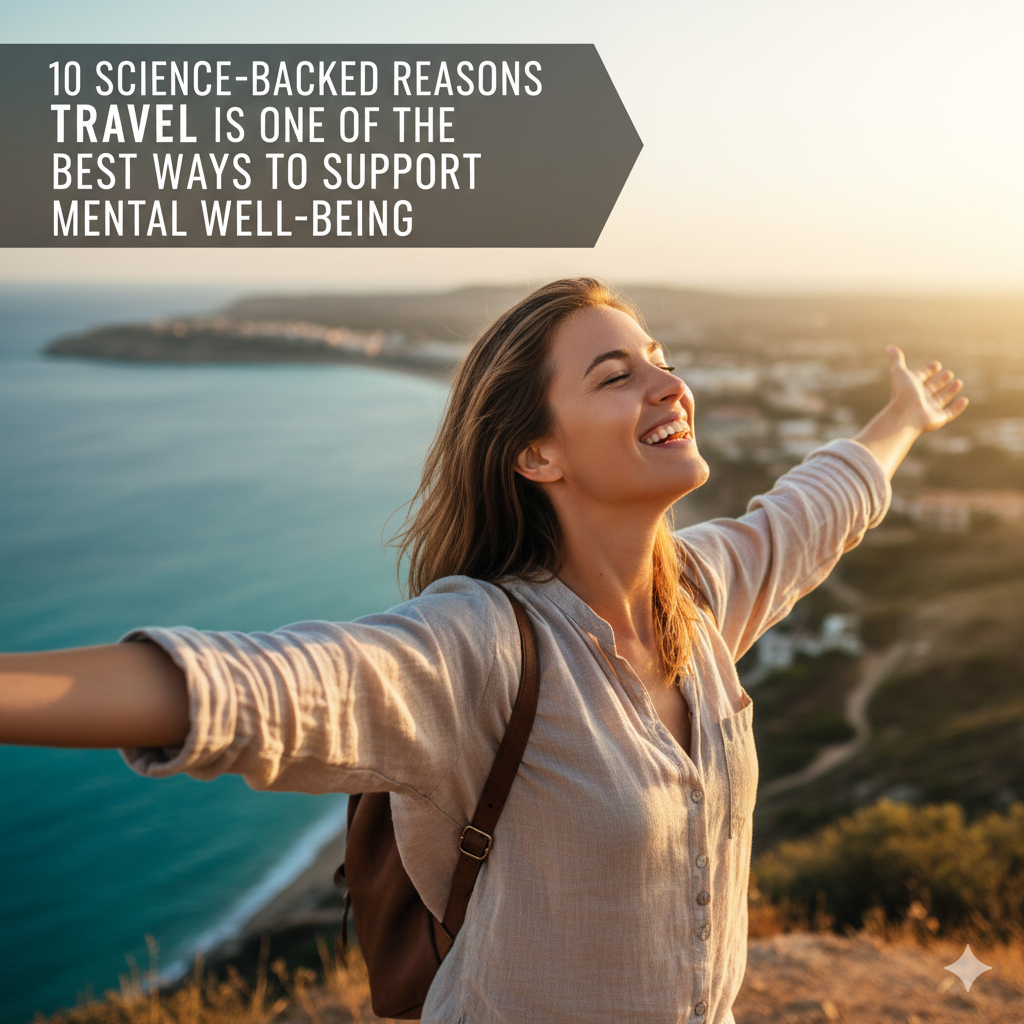
Travel isn’t just about sightseeing—it’s a meaningful way to support mental well-being. Here are 10 research-supported reasons why travel is good for your mind.
1. Travel Reduces Stress and Mental Overload
Changing environments helps lower stress hormones like cortisol. Time away from daily pressures allows the brain to relax and reset.
Even short trips can significantly reduce stress levels.
2. Boosts Mood and Happiness
Psychology studies show that travel increases positive emotions such as joy, excitement, and gratitude. Anticipation, experience, and memory all contribute to improved mood.
3. Helps Prevent Burnout
Burnout is increasingly common in the U.S. workforce. Travel creates psychological distance from work, helping restore motivation and emotional energy.
4. Improves Focus and Mental Clarity
Mental fatigue impairs decision-making. Travel provides cognitive rest, often resulting in better concentration and creative thinking after returning home.
5. Encourages Mindfulness and Presence
New environments naturally bring awareness to the present moment. Mindfulness is linked to lower anxiety and improved emotional regulation.
6. Strengthens Emotional Resilience
Navigating new places builds adaptability and confidence. Research links novel experiences with greater emotional resilience and self-efficacy.
7. Enhances Social Connection
Travel often strengthens relationships and fosters meaningful social interactions. Social connection is a key protective factor for mental health.
8. Reduces Symptoms of Anxiety and Depression
Exposure to nature, physical movement, and reduced screen time during travel can ease symptoms of anxiety and low mood.
9. Improves Sleep Quality
Breaking stressful routines often leads to better sleep. Quality sleep supports mood regulation and emotional stability.
10. Creates Lasting Positive Memories
Research shows experiences provide longer-lasting happiness than material possessions. Positive travel memories can improve mood long after the trip ends.
Why Travel Matters for Mental Health in America
Mental health experts increasingly recognize rest, recovery, and novelty as essential to emotional well-being. Travel combines all three—making it a powerful tool for mental wellness.
You don’t need long or expensive trips. Even a weekend getaway can make a meaningful difference.
Travel supports mental well-being by reducing stress, restoring balance, and strengthening emotional health. In a fast-paced society, taking time away isn’t indulgent—it’s necessary.
If you want a healthier mind, make space to explore the world—even close to home.