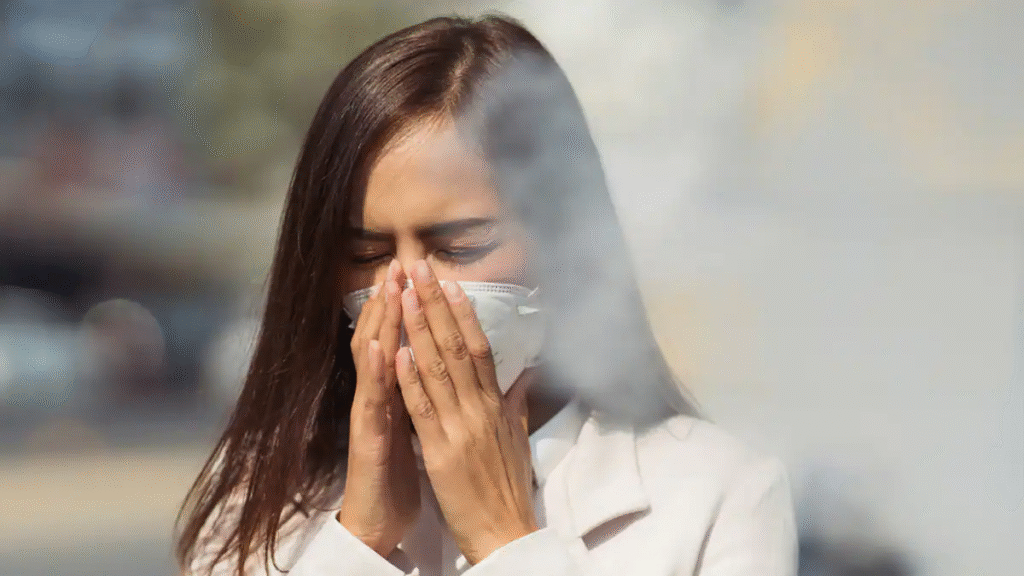
Most of us think about the air we breathe only when it’s smoky outside or when allergy season hits. But here’s something many Americans don’t realize: air quality has a powerful impact on your immune system. Whether you live in a big city, a suburban neighborhood, or a rural town, the air around you plays a major role in how well your body can fight off illness.
Let’s break down how air pollution affects your immune health — and what you can do to protect yourself starting today.
1. Poor Air Quality Weakens Your Immune System Over Time
When you breathe in polluted air, tiny particles enter your lungs and bloodstream. These pollutants trigger inflammation, which forces your immune system to work overtime. Over time, chronic exposure can weaken its ability to defend you.
Common pollutants affecting Americans include:
- Car exhaust
- Industrial emissions
- Wildfire smoke
- Dust and mold
- Chemicals from household products
If your immune system is constantly battling toxins, it has fewer resources to fight viruses and bacteria.
2. Pollution Makes You More Susceptible to Respiratory Illnesses
Air pollution directly irritates the lungs, making them more vulnerable to infections like:
- Colds
- Flu
- Asthma flare-ups
- Bronchitis
- Pneumonia
If you already deal with allergies or asthma, poor air quality can make symptoms worse by triggering inflammation and narrowing airways.
3. Indoor Air Can Be Worse than Outdoor Air
Surprising but true: indoor air pollution can sometimes be 2–5 times worse than the outdoor air in many U.S. homes.
Common indoor pollutants include:
- Dust mites
- Mold spores
- Cleaning chemicals
- Air fresheners
- Smoke from cooking
- Pet dander
Because Americans spend about 90% of their time indoors, improving indoor air quality is essential for immune health.
4. Air Quality Impacts Your Sleep — and Sleep Impacts Immunity
Clean air = better sleep.
Better sleep = stronger immunity.
Poor air quality can lead to:
- Nighttime coughing
- Congestion
- Irritated sinuses
- Breathing difficulties
When your sleep is disrupted, your immune system can’t repair or recharge properly. This directly affects how well your body fights off infections.
5. Air Pollution Increases Oxidative Stress
Oxidative stress happens when harmful particles overwhelm the body’s defenses. High pollution levels cause oxidative stress that damages cells, including immune cells.
Signs of oxidative stress include:
- Fatigue
- Low energy
- Premature aging
- Chronic inflammation
Foods rich in antioxidants (berries, spinach, nuts) help counter these effects — but reducing exposure is key.
6. Your Heart and Immune System Are Connected
Poor air quality affects your cardiovascular system as well. Pollutants increase inflammation in blood vessels, which forces your immune system into crisis mode.
This inflammatory response raises your risk for:
- High blood pressure
- Heart disease
- Stroke
A stressed heart = a stressed immune system.
7. How to Protect Your Immune Health Today
Even if you live in an area with poor air quality, you can still take action. Here’s what many Americans are doing to stay healthier:
✔ Check Local Air Quality
Use apps like AirNow or IQAir to see daily air pollution levels. On high-pollution days, stay indoors or limit outdoor exercise.
✔ Use an Air Purifier
Choose one with a HEPA filter to remove dust, smoke, and allergens.
✔ Improve Ventilation
Open windows when the outdoor air is clean and run exhaust fans when cooking.
✔ Keep Indoor Spaces Clean
- Vacuum weekly
- Wash bedding often
- Reduce clutter (dust loves hiding!)
✔ Avoid Synthetic Fragrances
Perfumed candles, air fresheners, and sprays can release harmful chemicals.
✔ Wear a Mask During High Pollution
Especially during wildfire season, which has become more common across the U.S.
✔ Add Air-Purifying Plants
While not a complete solution, plants like snake plants and spider plants help reduce indoor toxins.
Final Thoughts
Your immune system is constantly working to protect you — and the air you breathe can either help or harm that effort. By paying attention to air quality and making simple lifestyle changes, you can reduce inflammation, support lung health, and strengthen your body’s natural defenses.
Healthy air = a healthier you
Start with one change today — your immune system will thank you.