
Chronic pain affects millions of Americans — from long work hours and old injuries to conditions like arthritis, migraines, back pain, and fibromyalgia. While prescription medications can help, many people want natural, science-backed alternatives that support long-term relief without heavy side effects.
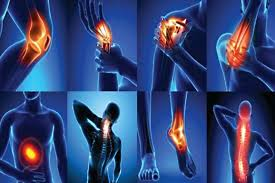
Good news? Research shows there are several natural strategies that genuinely help reduce pain, calm inflammation, and improve daily function. Here’s a clear, friendly guide to what actually works.
1. Anti-Inflammatory Eating: Your Daily Medicine
What we eat directly affects inflammation — the root cause of most chronic pain. Studies show that an anti-inflammatory diet can significantly reduce pain levels, especially for arthritis, back pain, and chronic muscle tension.
Try adding more:
- Fatty fish (salmon, sardines)
- Berries
- Leafy greens
- Olive oil
- Walnuts & almonds
- Ginger & turmeric
Why it helps:
Foods rich in omega-3s and antioxidants reduce inflammatory markers like CRP, supporting lower pain levels over time.
Small step today: Add turmeric to your tea or meals.
2. Gentle Movement — Yes, Even When You Hurt
It sounds unfair, but the less you move, the more pain tends to stick. Low-impact exercise helps reduce stiffness, strengthen weak muscles, and boost circulation.
Science-supported options include:
- Walking
- Yoga
- Tai chi
- Swimming or water aerobics
- Light strength training
Why it helps:
Movement releases endorphins — natural pain relievers — and reduces inflammation.
Tip: Start slow. Even 10 minutes daily makes a difference.
3. Heat and Cold Therapy: Instant Relief with Zero Side Effects
Both hot and cold applications are recommended by physical therapists and pain specialists.
Heat helps:
- Muscle tension
- Arthritis stiffness
- Chronic neck & back pain
Cold helps:
- Swelling
- Sharp joint pain
- Recent flare-ups
Try:
- Heating pads
- Warm baths
- Ice packs
- Cold therapy gels
Use whichever brings the most relief — your body will tell you.
4. Mind-Body Practices Backed by Research
Pain isn’t only physical — your brain plays a major role in how pain is perceived. Mind-body techniques can reduce stress hormones and calm the nervous system.
Science supports:
- Meditation & mindfulness
- Deep breathing
- Guided imagery
- Progressive muscle relaxation
These techniques are recommended by pain clinics across the U.S. because they help the brain “turn down” pain signals.
Bonus: They’re free and can be done anywhere.
5. Acupuncture: An Ancient Therapy with Modern Evidence
Acupuncture is one of the most well-studied natural approaches for chronic pain.
Research shows it helps with:
- Lower back pain
- Osteoarthritis
- Tension headaches
- Fibromyalgia
- Neuropathic pain
How it works:
Acupuncture stimulates nerve pathways, boosts circulation, and releases natural pain-relieving chemicals like endorphins.
Many Americans use it alongside physical therapy for best results.
6. Massage Therapy for Muscle and Joint Relief
Massage supports pain relief by:
- Increasing blood flow
- Reducing muscle knots
- Improving range of motion
- Lowering cortisol (stress hormone)
Recommended types:
- Swedish
- Deep tissue (for chronic knots)
- Trigger point therapy
- Myofascial release
Even a 30-minute session can help ease long-term muscle tension.
7. Quality Sleep Makes Pain More Bearable
Studies show lack of sleep increases pain sensitivity by up to 40%.
To sleep better:
- Keep a consistent sleep schedule
- Limit screens before bed
- Use supportive pillows
- Try magnesium or chamomile tea
Quality sleep helps the body heal and reduces inflammation.
8. Herbal & Natural Remedies with Evidence
Some natural supplements have research supporting their benefits.
Common options include:
- Turmeric/curcumin (anti-inflammatory)
- Omega-3s (joint and muscle relief)
- Magnesium (muscle relaxation)
- Boswellia (arthritis support)
- Ginger (reduces pain signals)
Always talk to a healthcare provider if you take medications.
9. Physical Therapy: The Most Underrated Natural Treatment
PT is one of the most effective long-term tools for chronic pain. A therapist helps:
- Strengthen weak muscles
- Correct posture
- Improve mobility
- Reduce flare-ups
Most chronic pain improves significantly with consistent PT.
10. Stress Management — Because Stress Makes Pain Worse
Stress intensifies pain signals. This is why chronic pain often flares during emotionally heavy periods.
Helpful habits:
- Spending time outdoors
- Listening to calming music
- Journaling
- Hobbies you enjoy
- Saying “no” to unnecessary stressors
A calmer mind = a calmer body.
Final Thoughts
Chronic pain is real, frustrating, and exhausting — but you’re not stuck with it. Natural, research-backed methods like anti-inflammatory eating, movement, acupuncture, PT, and stress reduction can make meaningful improvements.You don’t need to try everything at once.
Start with one small habit today — a short walk, a warm compress, or a mindful breathing session. Over time, these little lifestyle changes create real relief.