Starting an exercise routine is easy—sticking with it is the real challenge. Research in exercise science and behavioral health shows that sustainable fitness isn’t about extreme workouts or quick results. It’s about building simple, realistic habits that fit into everyday life.
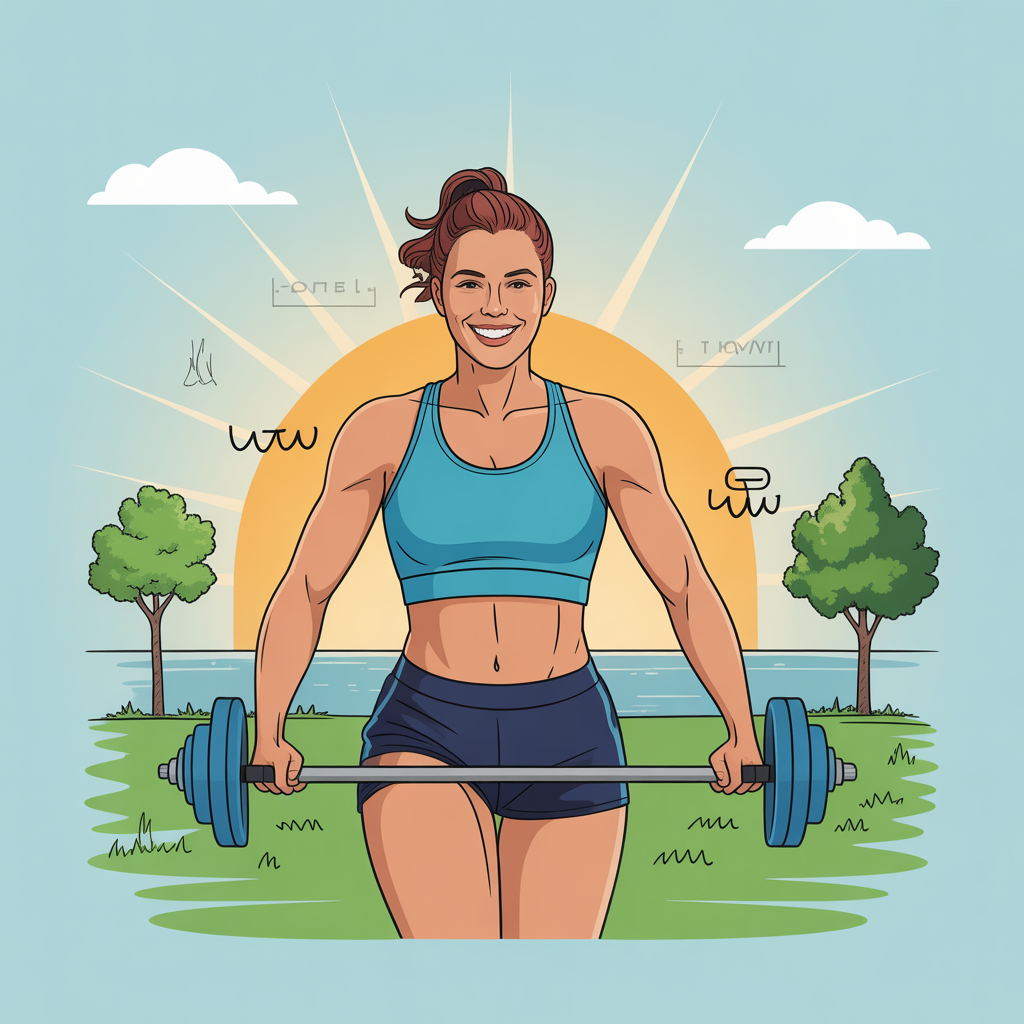
Whether you’re just getting started or restarting your fitness journey, these science-backed tips can help you stay active, motivated, and injury-free.
1. Start Small and Build Gradually
One of the biggest mistakes people make is doing too much too soon. Studies show that gradual progression reduces injury risk and increases long-term adherence.
✔ Begin with 10–15 minutes a day
✔ Increase intensity slowly
✔ Focus on consistency over intensity
Small steps add up.
2. Choose Activities You Enjoy
Enjoyment plays a major role in whether exercise becomes a habit.
Walking, swimming, dancing, cycling, or home workouts all count. If it feels like punishment, it won’t last.
👉 The best workout is the one you’ll actually do.
3. Set Realistic, Measurable Goals
Clear goals keep you motivated.
Examples:
- Walk 30 minutes, 5 days a week
- Strength train twice weekly
- Stretch daily for 5 minutes
Avoid vague goals like “get fit”—be specific and achievable.
4. Schedule Your Workouts Like Appointments
Treat exercise like any important commitment.
✔ Pick a consistent time
✔ Add it to your calendar
✔ Remove decision fatigue
Routine builds habit.
5. Focus on Full-Body Movement
Balanced exercise improves overall health.
Include:
- Cardio for heart health
- Strength training for muscle and bone health
- Mobility and flexibility for joint function
Balanced routines reduce burnout and injury.
6. Don’t Skip Rest and Recovery
Rest is part of progress. Overtraining can lead to fatigue, injuries, and loss of motivation.
Aim for:
- At least 1–2 rest days per week
- Adequate sleep (7–9 hours)
- Light movement on recovery days
Recovery helps habits stick.
7. Track Progress Without Obsession
Tracking increases awareness and motivation.
You can track:
- Workouts completed
- Energy levels
- Strength improvements
- Weekly movement minutes
Focus on progress—not perfection.
8. Make Fitness Convenient
The easier it is to exercise, the more likely you’ll do it.
Ideas:
- Home workouts
- Walking during lunch breaks
- Short routines instead of long sessions
Convenience removes excuses.
9. Listen to Your Body
Pain is not progress. Learning the difference between muscle soreness and injury is essential.
✔ Modify when needed
✔ Rest when tired
✔ Seek guidance if pain persists
Healthy habits protect your body long term.
10. Think Long-Term, Not Short-Term
Fitness isn’t a 30-day challenge—it’s a lifestyle.
Missed workouts happen. What matters is getting back on track without guilt.
Consistency over months and years leads to lasting health benefits.
Why Healthy Exercise Habits Matter
Regular physical activity:
- Improves heart and brain health
- Supports weight management
- Strengthens bones and muscles
- Boosts mood and energy
- Reduces chronic disease risk
Even modest activity makes a big difference.
Building healthy exercise habits doesn’t require perfection—just commitment, patience, and flexibility. Start where you are, choose movement you enjoy, and give yourself time to grow stronger.
Your future self will thank you for every step you take today.