
Traveling is often seen as a luxury—but research shows it’s much more than that. From lowering stress to improving heart health and boosting happiness, travel has powerful physical and mental health benefits. For many Americans juggling busy work schedules, family responsibilities, and screen-heavy lives, stepping away from routine can be a form of preventive healthcare.
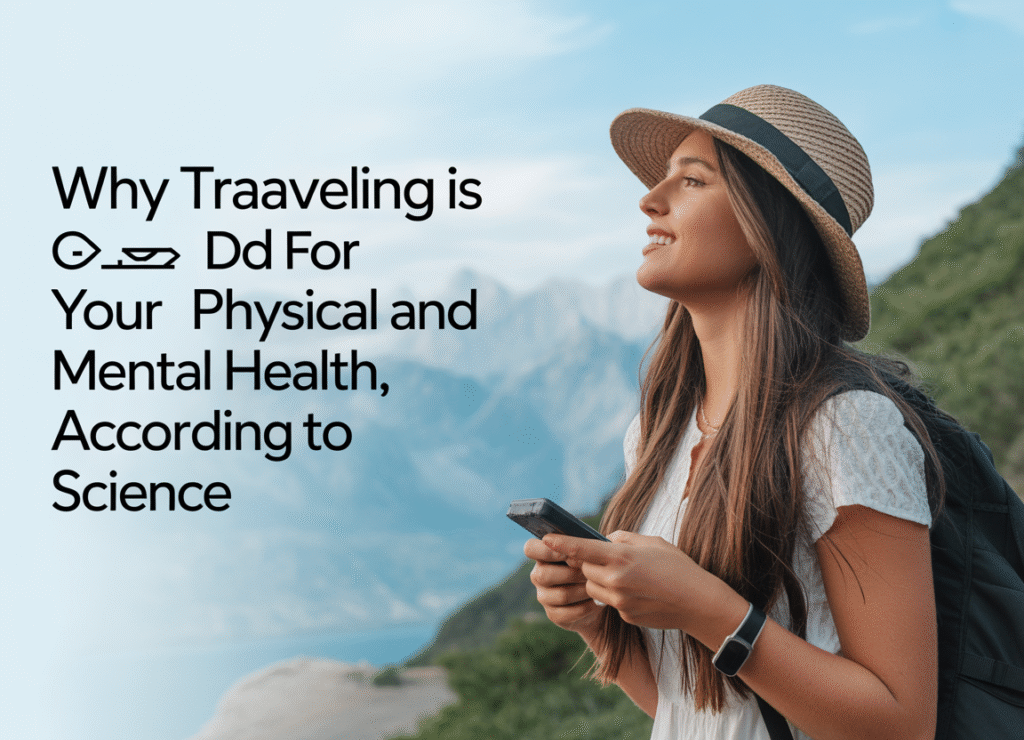
Let’s explore why traveling is scientifically proven to support overall well-being—and why even short trips can make a meaningful difference.
1. Travel Reduces Stress and Anxiety
Studies consistently show that travel helps lower stress hormones like cortisol. A change in environment allows the brain to relax, reset, and shift out of constant “work mode.”
Mental health benefits include:
- Reduced anxiety
- Improved mood
- Better emotional balance
Even planning a trip can boost happiness before you ever leave home.
2. Improves Heart and Physical Health
Research has linked regular vacations with a lower risk of heart disease. Travel often involves more walking, exploring, and light physical activity compared to daily sedentary routines.
Activities like sightseeing, hiking, and swimming naturally increase movement—supporting cardiovascular health without structured workouts.
3. Boosts Brain Function and Creativity
New experiences stimulate the brain and encourage cognitive flexibility. Exposure to different cultures, languages, and environments strengthens problem-solving skills and creativity.
This mental stimulation supports:
- Better memory
- Sharper thinking
- Improved focus
Your brain thrives on novelty.
4. Encourages Better Sleep Patterns
Breaking away from stressful routines and excessive screen time can help reset sleep cycles. Many travelers report deeper, more restful sleep during trips.
Quality sleep supports immunity, mood, and energy—key pillars of good health.
5. Strengthens Emotional Well-Being
Travel promotes joy, gratitude, and mindfulness. Being present in new surroundings helps reduce rumination and negative thought patterns often linked to depression.
Positive experiences and memories can improve emotional resilience long after the trip ends.
6. Enhances Social Connection
Travel often strengthens relationships—whether it’s bonding with family, friends, or meeting new people. Social interaction plays a crucial role in mental health and longevity.
Shared experiences build stronger emotional connections and reduce feelings of isolation.
7. Helps Prevent Burnout
Burnout is a growing concern in the U.S. workforce. Travel offers mental recovery by creating distance from work pressures and daily responsibilities.
Time off improves:
- Motivation
- Job satisfaction
- Overall life balance
A rested mind performs better.
8. Encourages Healthier Lifestyle Choices
When people travel, they often:
- Walk more
- Eat more mindfully
- Spend more time outdoors
These behaviors can inspire healthier habits even after returning home.
9. Builds Resilience and Confidence
Navigating new places builds adaptability and confidence. Overcoming travel challenges—big or small—strengthens emotional resilience and self-trust.
10. Supports Long-Term Happiness
Research suggests that experiences bring more lasting happiness than material purchases. Travel creates meaningful memories that continue to provide emotional benefits over time.
Travel isn’t just about relaxation—it’s a science-backed way to support physical health, mental clarity, and emotional well-being. Whether it’s a weekend getaway or a longer vacation, stepping away from routine can help you return healthier, happier, and more energized.
Think of travel as an investment in your health—not just a break from work.