
In today’s fast-paced American lifestyle, wellness is often associated with gyms, diets, and productivity tools. But growing research in public health, psychology, and behavioral science highlights another powerful wellness strategy: travel. Far from being just a leisure activity, travel offers measurable benefits for both physical fitness and mental well-being.
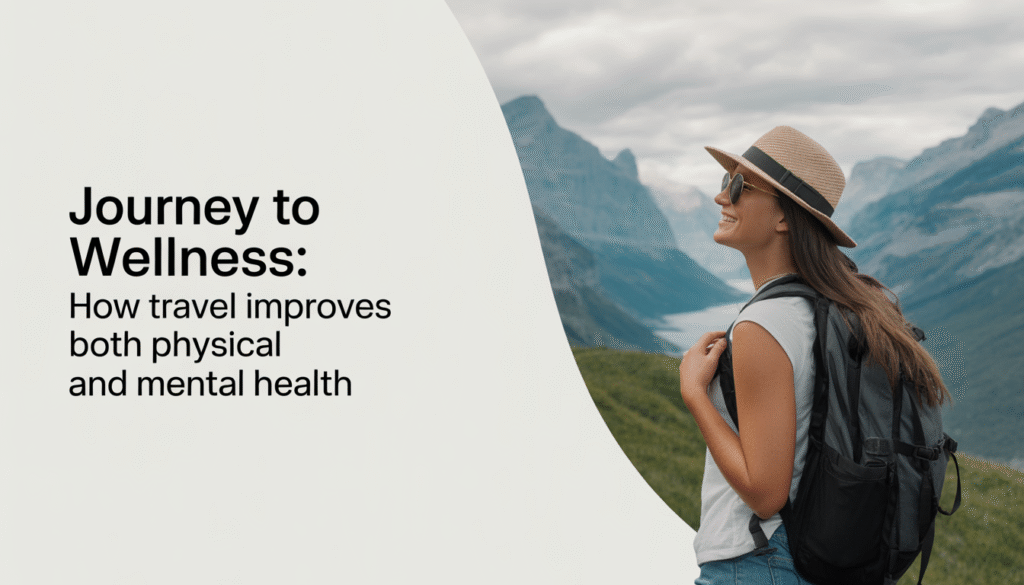
This journey to wellness begins the moment you step away from routine and into new experiences.
1. Travel Naturally Increases Physical Activity
Unlike traditional workouts, travel encourages movement without pressure. Walking through cities, exploring nature, swimming, or hiking all contribute to daily physical activity.
Research shows that consistent low-to-moderate movement:
- Improves cardiovascular health
- Enhances muscle strength and mobility
- Supports healthy weight management
Travel turns movement into enjoyment rather than obligation.
2. Supports Heart and Metabolic Health
Studies in preventive medicine link regular vacations with reduced risk of heart disease. Lower stress levels, increased activity, and better sleep during travel all contribute to improved blood pressure and metabolic balance.
For many Americans with sedentary jobs, travel helps counteract inactivity.
3. Reduces Stress and Mental Fatigue
Chronic stress is one of the leading contributors to poor health in the U.S. Travel breaks the stress cycle by removing daily triggers such as deadlines, notifications, and work overload.
Lower stress hormones support:
- Emotional balance
- Immune health
- Better focus and mood
4. Improves Mood and Emotional Well-Being
Psychological research consistently shows that experiences—especially travel—boost happiness more than material purchases. Anticipation, enjoyment, and reflection all contribute to sustained positive mood.
Travel can help ease feelings of burnout, sadness, and emotional exhaustion.
5. Enhances Brain Function and Creativity
Exposure to new environments, cultures, and challenges stimulates the brain. Studies link novelty with improved:
- Memory
- Cognitive flexibility
- Problem-solving skills
A refreshed brain is sharper and more creative.
6. Encourages Better Sleep Patterns
Mental relaxation and reduced screen time during travel often lead to deeper, more restorative sleep. Quality sleep supports both physical recovery and emotional regulation.
7. Strengthens Social and Emotional Connections
Traveling with family or friends deepens relationships, while meeting new people reduces feelings of isolation. Social connection is strongly associated with better mental health and longevity.
8. Builds Confidence and Emotional Resilience
Navigating unfamiliar places improves adaptability and self-confidence. Behavioral research shows that overcoming new challenges strengthens emotional resilience.
9. Promotes Mindfulness and Presence
Travel naturally draws attention to the present moment. Mindfulness has been linked to reduced anxiety, improved mood, and better stress management.
10. Inspires Long-Term Healthy Habits
Many people return from travel motivated to:
- Walk more
- Spend time outdoors
- Prioritize work-life balance
- Value experiences over possessions
These lifestyle shifts support long-term wellness.
Important Health Perspective
While travel supports wellness, it is not a replacement for medical or mental health care. Its greatest value lies in prevention, recovery, and emotional renewal.
The journey to wellness doesn’t always begin in a clinic or gym—it can begin with a change of scenery. Scientific evidence increasingly supports travel as a meaningful contributor to physical fitness, mental clarity, emotional balance, and overall quality of life.
Travel isn’t just a getaway—it’s a step toward better health.