In today’s fast-paced American lifestyle, vacations are often seen as optional—or even indulgent. But health research tells a different story. Studies in public health, psychology, and occupational medicine consistently show that taking time off is essential for both physical and mental well-being.
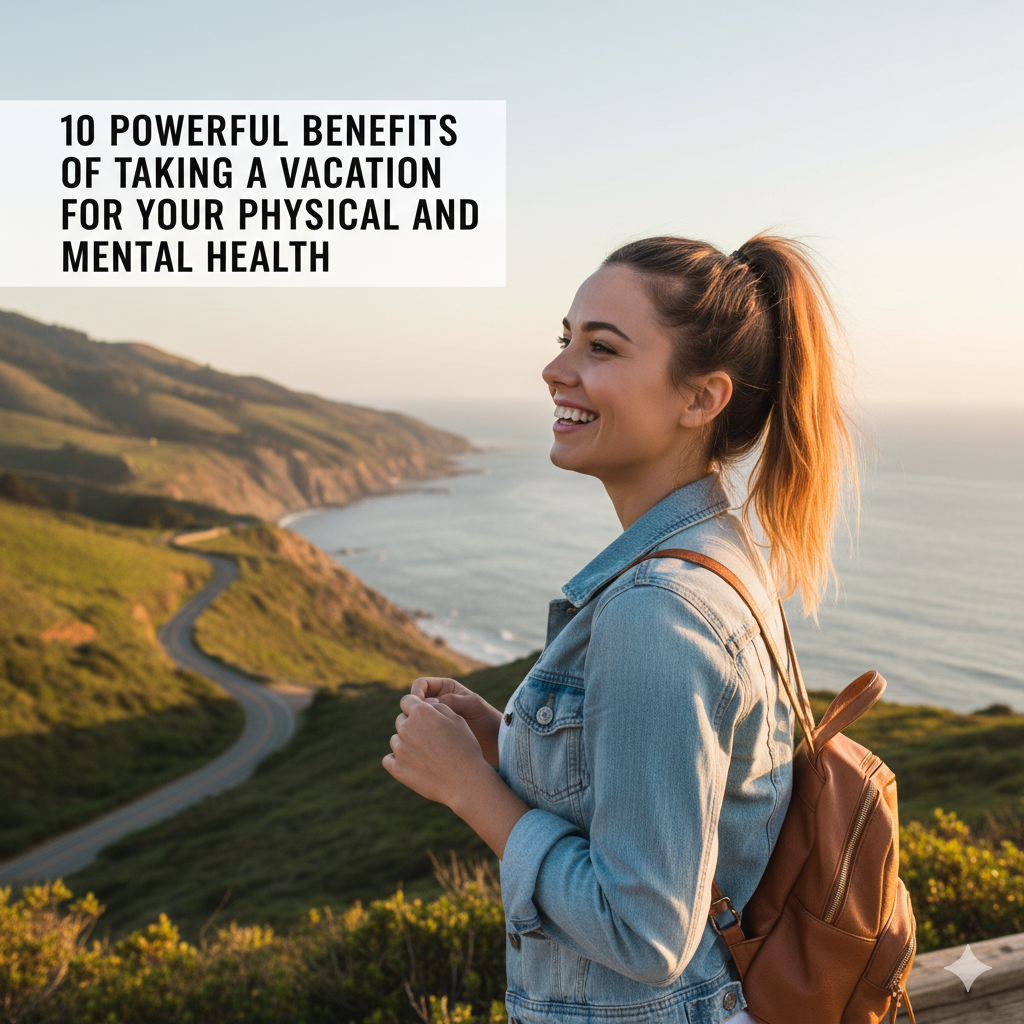
A vacation isn’t just a break from work—it’s a reset for your body and mind. Here are 10 science-backed benefits of taking a vacation and why it should be part of a healthy lifestyle.
1. Reduces Stress and Anxiety
Vacations lower cortisol levels, helping the nervous system relax. Stepping away from daily responsibilities reduces mental overload and promotes emotional balance.
2. Improves Heart Health
Research links regular vacations with a lower risk of heart disease. Time off often includes more movement, better sleep, and less work-related stress—all crucial for cardiovascular health.
3. Boosts Mental Clarity and Focus
Breaking routine allows your brain to rest and reset. Many people return from vacation feeling mentally refreshed, more creative, and better able to concentrate.
4. Enhances Sleep Quality
Less stress and reduced screen time during vacations improve sleep patterns. Quality sleep strengthens immunity, mood, and energy levels.
5. Strengthens Emotional Well-Being
Positive experiences and enjoyable memories improve happiness and emotional resilience. Research shows experiences create longer-lasting happiness than material purchases.
6. Encourages Physical Activity
Vacations naturally promote movement—walking, swimming, hiking, or exploring new places—without the pressure of structured workouts.
7. Helps Prevent Burnout
Burnout is a growing concern in the U.S. workforce. Vacations provide psychological recovery, improving motivation and job satisfaction.
8. Strengthens Relationships
Traveling with family or friends deepens social bonds. Strong relationships are closely linked to better mental health and longer life expectancy.
9. Improves Immune Function
Chronic stress weakens immunity. By lowering stress and improving sleep, vacations help support a healthier immune system.
10. Boosts Long-Term Life Satisfaction
Vacations contribute to a better work-life balance and overall quality of life. The benefits often last weeks after returning home.
Why Americans Should Prioritize Vacation Time
Public health experts emphasize that rest and recovery are essential—not optional. Even short getaways can deliver meaningful health benefits.
You don’t need a luxury trip—time away from routine is what matters most.
Taking a vacation isn’t just good for your mood—it’s good for your heart, brain, immune system, and relationships. When viewed as part of preventive healthcare, vacations become an investment in long-term well-being.
Your health deserves a break.