
In today’s fast-paced American lifestyle, stress, sedentary habits, and mental fatigue have become increasingly common. While exercise and healthy eating are essential, research shows that travel plays a powerful role in improving both physical and mental health.
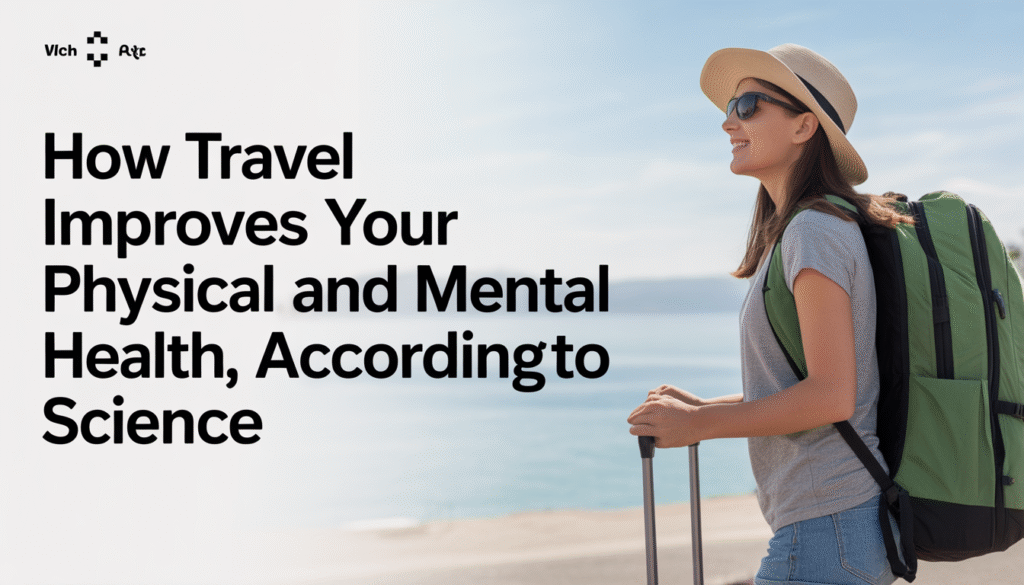
Travel is not just a luxury—it’s a wellness investment backed by science.
1. Travel Reduces Stress and Improves Mental Clarity
Studies in psychology and public health show that stepping away from daily responsibilities lowers cortisol levels, the body’s primary stress hormone. A change in environment allows the brain to recover from chronic stress.
Even short trips can significantly reduce anxiety and mental exhaustion.
2. Improves Mood and Emotional Well-Being
Anticipating a trip activates dopamine, a neurotransmitter linked to motivation and happiness. During travel, novel experiences stimulate positive emotions that enhance overall well-being.
These benefits often last weeks after returning home.
3. Encourages Natural Physical Activity
Travel promotes movement through walking, sightseeing, swimming, hiking, and exploring new places. This form of low-impact exercise supports:
- Heart health
- Muscle strength
- Joint mobility
- Weight management
Physical activity during travel also improves mental health by releasing endorphins.
4. Supports Heart and Metabolic Health
Research published in preventive health journals suggests that vacations may reduce the risk of heart disease. Reduced stress, increased activity, and improved sleep all contribute to better cardiovascular health.
Consistent travel breaks have been linked to lower blood pressure and improved metabolic markers.
5. Improves Sleep Quality
Travel often leads to better sleep due to reduced screen time and mental relaxation. Quality sleep supports immune function, mood regulation, and cognitive performance.
6. Boosts Brain Health and Cognitive Function
New environments stimulate memory, attention, and creativity. Learning new routes, languages, or cultural norms strengthens neural connections and cognitive flexibility.
This mental stimulation is particularly beneficial for long-term brain health.
7. Reduces Symptoms of Anxiety and Depression
Clinical studies indicate that travel can ease mild to moderate symptoms of anxiety and depression. Exposure to nature, social interaction, and positive experiences plays a major role.
Travel encourages mindfulness and presence—key elements of mental wellness.
8. Strengthens Emotional Resilience
Travel challenges you to adapt, problem-solve, and navigate unfamiliar situations. These experiences build confidence and emotional resilience that carry into everyday life.
9. Improves Social Connection and Loneliness
Traveling with family or friends strengthens relationships. Solo travelers often report meaningful social connections with new people, reducing feelings of isolation.
Social engagement is essential for emotional health.
10. Promotes a Healthier Lifestyle Reset
Many Americans return from travel motivated to:
- Move more
- Eat mindfully
- Reduce work stress
- Prioritize mental health
Travel offers a reset that supports long-term healthy habits.
Why Travel Matters for Health in the USA
Public health research increasingly recognizes the link between rest, recreation, and wellness. Travel—whether a weekend getaway or extended vacation—supports preventive health and emotional balance.
You don’t need to travel far. Even domestic trips, nature retreats, or cultural visits can provide significant health benefits.
Travel improves physical and mental health by reducing stress, increasing activity, enhancing mood, and strengthening resilience. It’s not just about seeing new places—it’s about healing, growing, and restoring balance.
Your next trip could be one of the healthiest decisions you make.