Burnout is more than just feeling tired after a long week. For many Americans juggling demanding jobs, family responsibilities, financial pressure, and constant digital connectivity, burnout has become a serious public health concern. Recognized by health organizations as a work-related stress condition, burnout can affect your mental, emotional, and physical well-being if left unaddressed.
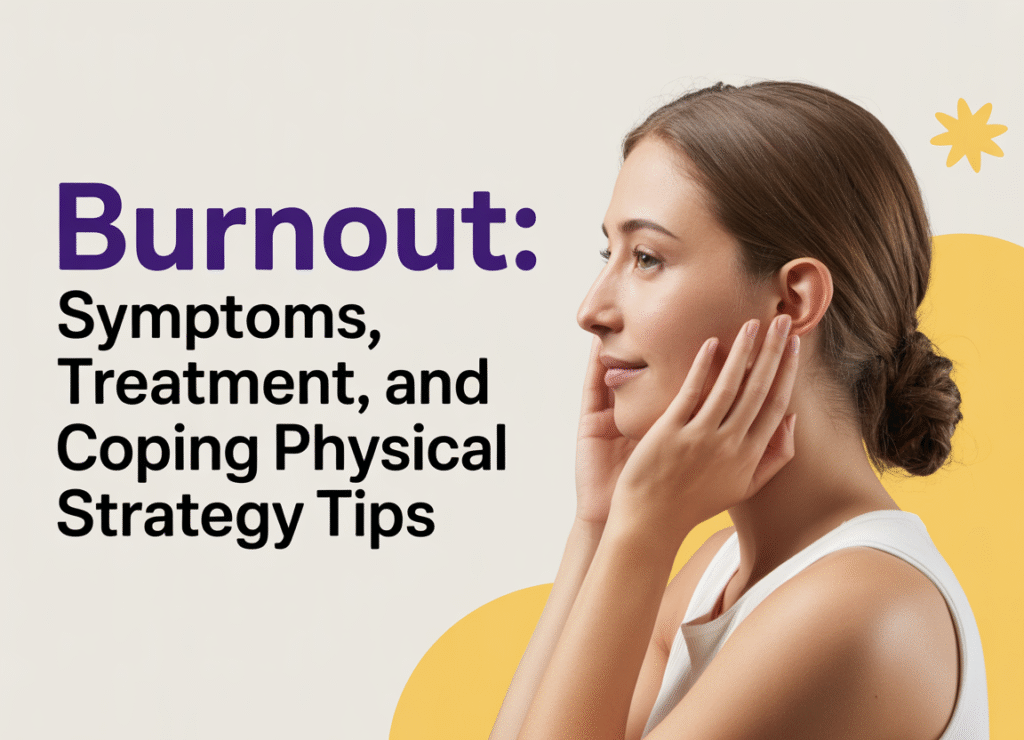
Understanding burnout—and learning how to manage it—can help you regain balance and protect your long-term health.
What Is Burnout?
Burnout is a state of chronic stress that leads to:
- Emotional exhaustion
- Mental detachment or cynicism
- Reduced productivity and motivation
Unlike everyday stress, burnout doesn’t improve with short breaks. It builds gradually and can significantly impact your quality of life.
Common Symptoms of Burnout
Burnout symptoms vary from person to person, but research shows several common warning signs:
Emotional & Mental Symptoms
- Constant fatigue or feeling drained
- Anxiety, irritability, or depression
- Loss of motivation or purpose
- Difficulty concentrating or memory issues
Physical Symptoms
- Headaches or muscle tension
- Sleep disturbances
- Frequent illnesses due to weakened immunity
- Digestive problems
Behavioral Symptoms
- Withdrawal from work or relationships
- Procrastination or decreased performance
- Increased reliance on caffeine, alcohol, or comfort foods
Main Causes of Burnout
Burnout often develops due to a combination of factors, including:
- Excessive workload or long working hours
- Lack of control or autonomy
- Poor work-life balance
- Unrealistic expectations
- Chronic stress without recovery
In the U.S., workplace pressure and “always-on” culture are major contributors.
Evidence-Based Treatment Options
1. Professional Support
Mental health professionals may recommend therapy such as cognitive behavioral therapy (CBT), which has been shown to reduce stress and emotional exhaustion.
2. Medical Evaluation
Persistent fatigue or mood changes may require medical assessment to rule out conditions like depression, anxiety disorders, or sleep issues.
3. Workplace Adjustments
Flexible schedules, workload adjustments, and clearer boundaries can significantly reduce burnout risk.
Coping Strategy Tips to Recover from Burnout
1. Set Clear Boundaries
Limit work outside office hours, reduce screen time, and protect personal time.
2. Prioritize Rest and Sleep
Quality sleep is essential for emotional regulation and stress recovery.
3. Practice Stress-Relief Techniques
Mindfulness, deep breathing, yoga, and time in nature are proven to lower cortisol levels.
4. Reconnect with Purpose
Re-evaluate goals, values, and what truly matters. Small changes can restore motivation.
5. Stay Physically Active
Regular movement—even light walking—improves mood and energy levels.
6. Strengthen Social Support
Talking openly with trusted friends, family, or colleagues reduces isolation and emotional burden.
Preventing Burnout Long-Term
Burnout prevention is an ongoing process. Key strategies include:
- Maintaining work-life balance
- Taking regular breaks and vacations
- Practicing self-care without guilt
- Seeking help early when symptoms arise
Prevention is especially important for professionals in high-stress fields.
Burnout is not a personal failure—it’s a signal that something needs to change. With awareness, evidence-based treatment, and healthy coping strategies, recovery is possible. Addressing burnout early can help you reclaim your energy, focus, and sense of fulfillment.
Your well-being matters—taking care of yourself is not optional; it’s essential.