Your body runs on messages—tiny chemical signals that tell organs what to do and when to do it. This communication network is called the hormonal system, also known as the endocrine system. It plays a vital role in regulating growth, metabolism, mood, sleep, reproduction, and overall health.
According to endocrinology research, even small disruptions in the hormonal system can affect multiple body systems. Understanding how it works helps you recognize symptoms early and support long-term wellness.
What Is the Hormonal System?
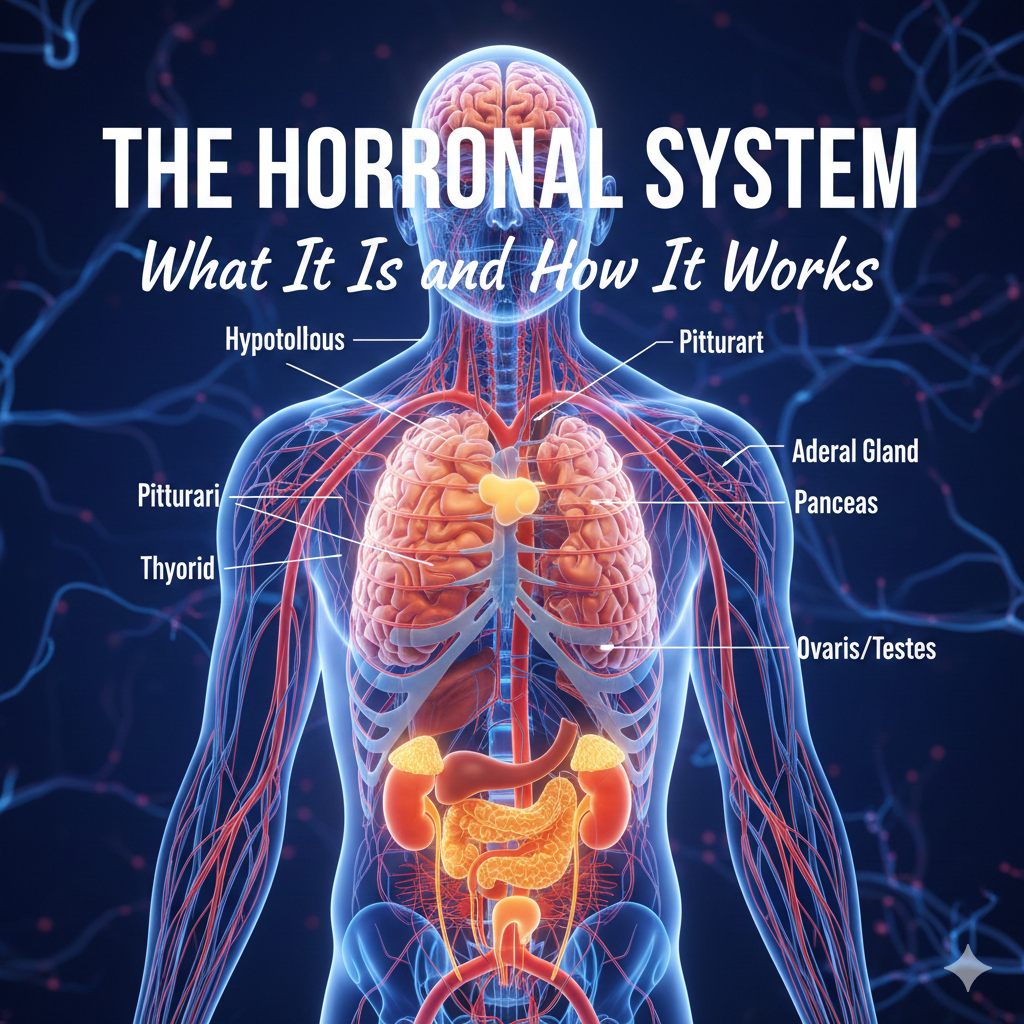
The hormonal system is a network of glands that produce and release hormones directly into the bloodstream. These hormones travel to tissues and organs, acting as messengers that control essential body functions.
Unlike the nervous system, which works quickly, the hormonal system works more slowly—but its effects are long-lasting.
Major Glands in the Hormonal System
1. Hypothalamus
Acts as the control center linking the brain and hormones. It tells the pituitary gland when to release hormones.
2. Pituitary Gland
Often called the “master gland,” it regulates growth, reproduction, and other glands.
3. Thyroid Gland
Controls metabolism, energy levels, and body temperature.
4. Parathyroid Glands
Regulate calcium balance and bone health.
5. Adrenal Glands
Produce cortisol and adrenaline, helping the body respond to stress.
6. Pancreas
Manages blood sugar levels through insulin and glucagon.
7. Reproductive Glands
- Ovaries (women): Estrogen and progesterone
- Testes (men): Testosterone
These hormones support reproductive health and secondary sex characteristics.
How the Hormonal System Works
Hormones are released into the bloodstream and bind to specific receptors on target cells—similar to a key fitting into a lock.
Feedback Loops
Most hormones operate through feedback systems:
- Negative feedback: Hormone levels drop once the desired effect is achieved
- Positive feedback: Hormone release increases until a specific event occurs
This balance keeps the body functioning smoothly.
Key Hormones and Their Functions
| Hormone | Function |
|---|---|
| Insulin | Regulates blood sugar |
| Cortisol | Manages stress response |
| Thyroid hormones | Control metabolism |
| Estrogen & Testosterone | Reproductive and bone health |
| Melatonin | Regulates sleep-wake cycle |
Why Hormonal Balance Is Important
Research shows that hormone imbalance may lead to:
- Fatigue and weight changes
- Mood disorders
- Sleep problems
- Fertility issues
- Metabolic conditions
Maintaining hormonal balance supports overall physical and mental health.
Common Causes of Hormonal Imbalance
- Chronic stress
- Poor sleep
- Nutritional deficiencies
- Aging and life stages (puberty, pregnancy, menopause)
- Certain medical conditions
How to Support a Healthy Hormonal System
✔ Eat balanced, whole-food meals
✔ Manage stress effectively
✔ Exercise regularly
✔ Get 7–9 hours of sleep
✔ Stay hydrated
✔ Schedule regular health checkups
When to See a Healthcare Provider
Persistent symptoms like unexplained weight changes, mood swings, or fatigue should be evaluated by a medical professional. Early testing and treatment improve outcomes.
The hormonal system is a powerful regulator of nearly every function in your body. Understanding what it is and how it works empowers you to make informed lifestyle choices and seek help when needed.
Healthy hormones mean a healthier you.