Hormones are your body’s chemical messengers. They regulate metabolism, mood, sleep, fertility, stress response, muscle growth, and even skin health. When hormones are out of balance, symptoms like fatigue, weight gain, mood swings, low libido, and sleep disturbances can follow.
In the United States—where high stress, processed diets, sedentary lifestyles, and sleep deprivation are common—hormonal imbalance is increasingly discussed. The good news? Many lifestyle strategies can help support hormonal balance naturally for both men and women.
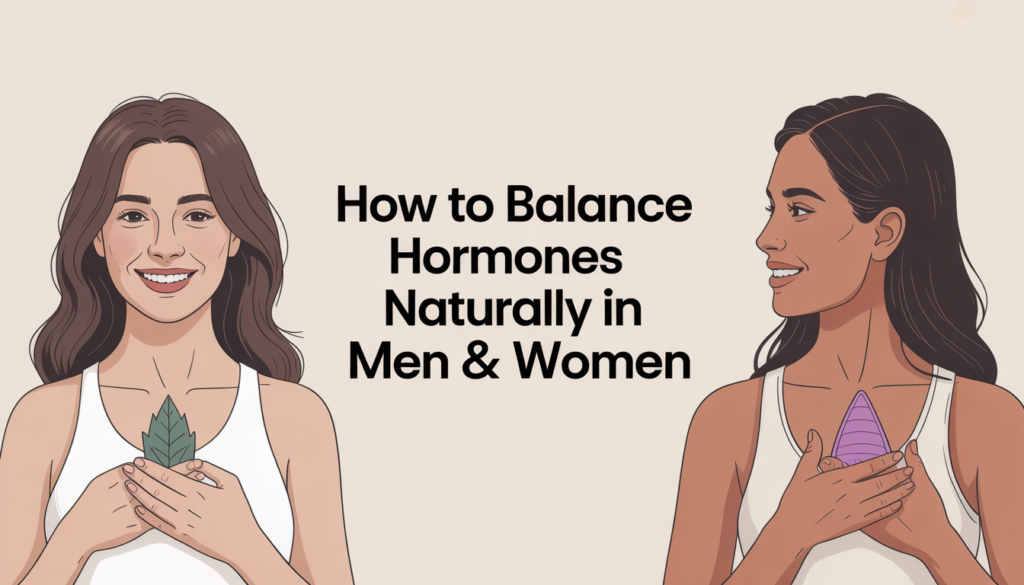
This evidence-informed guide explores practical, sustainable ways to restore balance safely and effectively.
Understanding Hormonal Balance
Hormonal balance doesn’t mean “perfect levels.” Hormones naturally fluctuate throughout the day and across life stages. Balance means they operate within healthy ranges and communicate effectively through the body’s endocrine system.
Key hormones include:
- Cortisol (stress regulation)
- Insulin (blood sugar control)
- Thyroid hormones (metabolism)
- Estrogen & progesterone (female reproductive health)
- Testosterone (male & female vitality)
- Melatonin (sleep regulation)
Even small disruptions can affect multiple systems.
Signs of Hormonal Imbalance
In Women:
- Irregular menstrual cycles
- PMS or severe cramps
- Weight fluctuations
- Acne or hair thinning
- Mood instability
In Men:
- Low energy
- Reduced muscle mass
- Decreased libido
- Increased abdominal fat
- Mood changes
Persistent symptoms should be evaluated by a healthcare provider.
1. Prioritize High-Quality Sleep
Sleep is one of the most powerful hormone regulators.
During deep sleep:
- Growth hormone is released
- Cortisol levels reset
- Insulin sensitivity improves
Aim for 7–9 hours nightly.
Tips:
- Maintain consistent sleep times
- Reduce screen exposure before bed
- Keep your bedroom cool and dark
Chronic sleep deprivation in the U.S. is strongly linked to metabolic and hormonal disturbances.
2. Stabilize Blood Sugar
Insulin plays a central role in hormonal balance. Frequent spikes from refined carbohydrates can disrupt other hormones.
Focus on:
- Lean protein
- Fiber-rich vegetables
- Healthy fats (olive oil, nuts, avocado)
- Whole grains
Limit:
- Sugary beverages
- Highly processed snacks
Balanced blood sugar supports energy, mood stability, and weight regulation.
3. Manage Chronic Stress
Chronic stress elevates cortisol. Prolonged high cortisol can suppress reproductive hormones and impact thyroid function.
Natural stress-reduction strategies:
- Daily walks
- Deep breathing exercises
- Meditation
- Journaling
- Spending time in nature
Even 15 minutes per day can positively influence cortisol patterns.
4. Strength Training & Regular Exercise
Exercise improves insulin sensitivity and supports testosterone and growth hormone levels.
For optimal hormonal health:
- Strength train 2–3 times per week
- Include moderate cardio
- Avoid excessive overtraining
Over-exercising can elevate cortisol and disrupt balance.
5. Support Gut Health
Emerging research shows the gut microbiome influences estrogen metabolism and inflammation.
Improve gut health by:
- Eating fermented foods (yogurt, kefir)
- Increasing dietary fiber
- Staying hydrated
- Reducing ultra-processed foods
A healthy gut contributes to improved immune and hormonal function.
6. Maintain Healthy Body Composition
Excess body fat—especially abdominal fat—can disrupt estrogen, testosterone, and insulin regulation.
Healthy strategies:
- Sustainable calorie balance
- Regular strength training
- Nutrient-dense foods
Avoid extreme dieting, which can suppress reproductive hormones.
7. Limit Endocrine Disruptors
Environmental chemicals known as endocrine disruptors may interfere with hormone signaling.
Practical steps:
- Use BPA-free containers
- Avoid microwaving plastic
- Choose fragrance-free products when possible
- Wash produce thoroughly
While complete avoidance isn’t realistic, minimizing exposure may support balance.
8. Ensure Adequate Micronutrients
Certain nutrients support hormonal health:
- Vitamin D
- Magnesium
- Zinc
- Omega-3 fatty acids
- B vitamins
Before starting supplements, consult a healthcare provider. Blood testing can identify deficiencies.
9. Understand Life Stages
Hormonal shifts are natural during:
- Puberty
- Pregnancy
- Postpartum
- Perimenopause and menopause
- Andropause (age-related testosterone decline)
Support strategies may vary depending on life stage and gender.
10. Seek Medical Evaluation When Necessary
Natural strategies are powerful—but medical evaluation is crucial if symptoms persist.
Consult a provider if you experience:
- Absent menstrual cycles
- Severe fatigue
- Sudden weight changes
- Hair loss
- Persistent mood disturbances
- Sexual dysfunction
Conditions such as thyroid disorders, PCOS, diabetes, and hypogonadism require professional management.
Myths About “Natural Hormone Fixes”
❌ Detox teas balance hormones
❌ One supplement works for everyone
❌ Hormones can be “reset” in 7 days
❌ All hormone fluctuations are abnormal
Hormonal health is complex and individualized.
The Role of Consistency
Hormonal balance doesn’t happen overnight. It’s influenced by daily habits repeated over time.
Focus on:
- Sleep
- Nutrition
- Movement
- Stress management
- Regular medical checkups
Small changes create lasting improvements.
Balancing hormones naturally in men and women is possible through lifestyle adjustments grounded in science—not trends. In the fast-paced environment of the United States, prioritizing sleep, managing stress, eating whole foods, and staying active are foundational steps toward hormonal wellness.
If symptoms are persistent or severe, professional guidance ensures safe and effective treatment.
Hormonal health isn’t about perfection—it’s about supporting your body’s natural rhythms with consistent, informed care.
Your hormones respond to how you live—every single day.