Preventive healthcare is one of the smartest investments you can make for your future. In the United States—where chronic diseases such as heart disease, cancer, and diabetes are leading causes of death—early detection through preventive health tests can save lives, reduce medical costs, and improve long-term quality of life.
According to the Centers for Disease Control and Prevention, many chronic conditions are preventable or manageable when detected early. Yet millions of Americans delay screenings due to confusion, cost concerns, or lack of awareness.
This guide explains the best preventive health tests in America, who needs them, and why they matter.
Why Preventive Health Tests Are Important
Preventive tests help:
- Detect diseases early—even before symptoms appear
- Lower healthcare costs over time
- Reduce risk of complications
- Improve survival rates
- Support long-term wellness
Most preventive services are covered under Affordable Care Act (ACA) health insurance plans when performed by in-network providers.
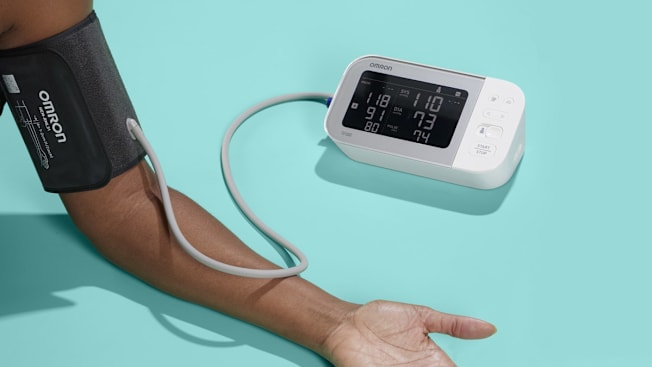
1. Blood Pressure Screening


High blood pressure (hypertension) is known as the “silent killer” because it often has no symptoms.
Why It Matters:
- Reduces risk of heart attack
- Prevents stroke
- Protects kidney function
Adults should have their blood pressure checked at least once every year, or more frequently if elevated.
2. Cholesterol Test (Lipid Panel)
A cholesterol screening measures:
- LDL (bad cholesterol)
- HDL (good cholesterol)
- Triglycerides
High cholesterol increases the risk of heart disease, the leading cause of death in the U.S.
The American Heart Association recommends adults begin cholesterol screening at age 20 and repeat every 4–6 years, depending on risk factors.
3. Blood Glucose & Diabetes Screening

Type 2 diabetes affects millions of Americans.
Screenings include:
- Fasting blood glucose
- A1C test
- Oral glucose tolerance test
Early detection helps prevent complications such as kidney disease, nerve damage, and vision loss.
4. Cancer Screenings You Shouldn’t Skip

Cancer screenings vary by age and gender.
Key Screenings:
Breast Cancer
Recommended mammograms starting around age 40–50, depending on guidelines and personal risk.
Colorectal Cancer
Colonoscopy or stool-based tests starting at age 45.
Cervical Cancer
Pap smear and HPV testing for women beginning at age 21.
Skin Cancer
Annual skin exams—especially important in sunny states like California, Florida, and Texas.
The American Cancer Society provides updated screening guidelines.
5. Body Mass Index (BMI) & Obesity Screening
Maintaining a healthy weight reduces risk for:
- Heart disease
- Diabetes
- Joint problems
- Certain cancers
BMI is a simple but useful tool to assess weight-related risk.
6. Mental Health Screening
Mental health is preventive health.
Screenings for:
- Depression
- Anxiety
- Substance use disorders
are increasingly included in primary care visits across the United States.
Early treatment improves long-term outcomes.
7. Bone Density Test (DEXA Scan)
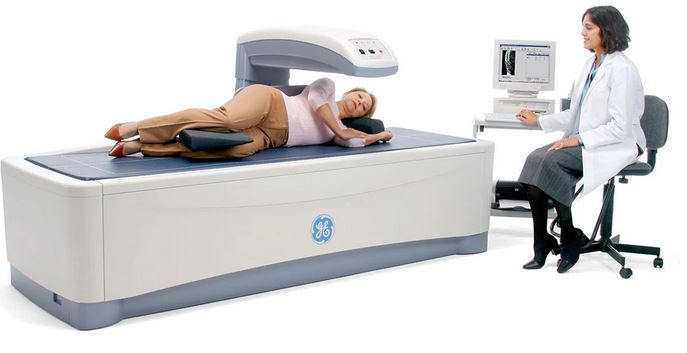

Bone density testing is recommended for:
- Women aged 65+
- Men aged 70+
- Younger individuals with risk factors
Early detection of osteoporosis reduces fracture risk.
8. Vision and Hearing Tests
Vision and hearing decline gradually with age.
Routine screening:
- Improves quality of life
- Prevents accidents
- Supports cognitive health
Adults over 50 should schedule regular eye exams.
9. Immunizations (Preventive Protection)
Vaccines are a critical part of preventive healthcare.
Recommended vaccines may include:
- Influenza (annual)
- COVID-19
- Tdap (tetanus, diphtheria, pertussis)
- Shingles (for adults 50+)
- Pneumonia (65+)
Vaccination protects both individuals and communities.
10. Prostate Cancer Screening (For Men)
Men over 50—or earlier if high risk—should discuss PSA (Prostate-Specific Antigen) testing with their healthcare provider.
Screening decisions should be personalized.
Age-Based Preventive Health Overview
In Your 20s–30s:
- Blood pressure
- Cholesterol baseline
- Pap smear (women)
- Mental health screening
In Your 40s–50s:
- Mammograms
- Colon cancer screening
- Diabetes screening
- Thyroid testing (if symptomatic)
In Your 60s+:
- Bone density test
- Vision and hearing exams
- Prostate screening
- Shingles vaccine
Preventive care becomes increasingly important with age.
Are Preventive Tests Covered by Insurance?
Under the ACA, most insurance plans must cover recommended preventive services at no cost when using in-network providers.
Always confirm coverage with your insurer.
Common Reasons People Skip Preventive Tests
- Fear of diagnosis
- Cost concerns
- Lack of symptoms
- Busy schedules
Remember: Prevention works best before symptoms appear.
The best preventive health tests in America are not complicated—they are accessible, affordable, and often life-saving.
Early detection:
✔ Reduces risk of severe illness
✔ Saves money on future treatments
✔ Improves life expectancy
✔ Protects families
Schedule your annual checkup. Ask your doctor about age-appropriate screenings. Stay informed about your health numbers.
Preventive healthcare isn’t optional—it’s essential.
Your future health begins with today’s proactive choices.