
Scars and injury marks are a natural part of the body’s healing process—but that doesn’t mean you have to live with discoloration, raised tissue, or uneven skin texture forever. Whether it’s a childhood cut, acne scar, surgical mark, or sports injury, modern dermatology offers effective ways to reduce their appearance.
According to the American Academy of Dermatology, early care and the right treatment plan can significantly improve scar healing. In this detailed, SEO-optimized guide, we’ll explore evidence-based treatments, home remedies, and professional options available in the United States.
Why Do Scars Form?

Scars form when the skin repairs itself after injury. The body produces collagen fibers to close the wound. Sometimes:
- Too much collagen → raised scars (hypertrophic or keloid)
- Too little collagen → depressed scars (acne scars)
- Pigment changes → dark or light marks
Factors influencing scar appearance include:
- Skin type
- Age
- Genetics
- Wound care
- Sun exposure
Types of Injury Marks and Scars
Understanding your scar type helps determine the best treatment.
1. Hyperpigmentation (Dark Marks)
Flat, dark spots left after healing.
2. Hypertrophic Scars
Raised but stay within the wound area.
3. Keloid Scars
Keloid – grow beyond the original wound and may require medical treatment.
4. Atrophic Scars
Sunken scars often caused by acne or chickenpox.
How to Get Rid of Injury Marks and Scars (Step-by-Step)
1. Start with Proper Wound Care
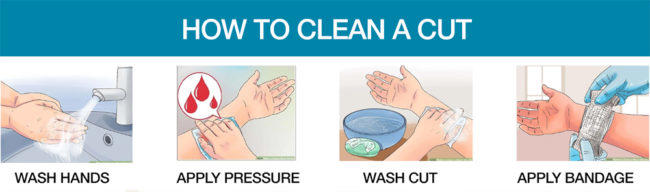


Prevention begins immediately after injury.
✔ Clean the wound gently
✔ Keep it moist with petroleum jelly
✔ Cover with a sterile bandage
✔ Avoid picking scabs
Proper early care reduces long-term scarring.
2. Use Silicone Gel or Silicone Sheets
Silicone is one of the most dermatologist-recommended treatments in the U.S.
It helps:
- Flatten raised scars
- Improve texture
- Reduce redness
Clinical studies support consistent use for 8–12 weeks.
3. Apply Sunscreen Daily (SPF 30+)
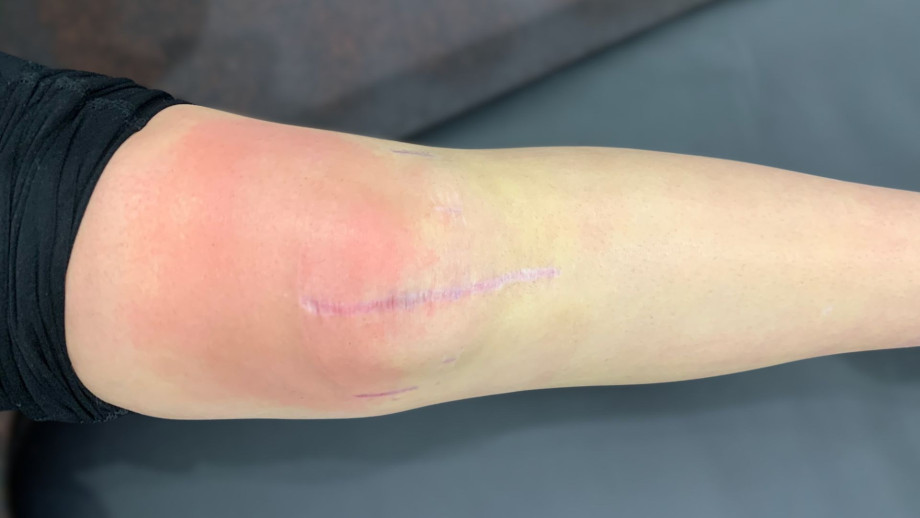
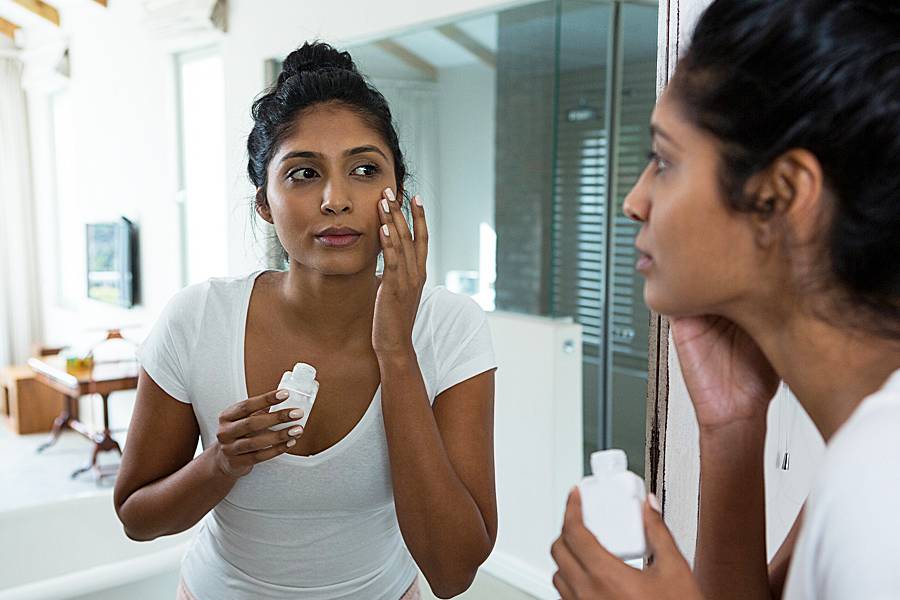
Sun exposure can darken scars permanently.
The American Cancer Society recommends daily sunscreen use to protect healing skin and reduce discoloration.
Choose:
- Broad-spectrum SPF 30+
- Non-comedogenic formula
- Daily application, even indoors
4. Topical Treatments That Work
Vitamin C
Brightens dark marks and supports collagen repair.
Retinoids
Encourage skin cell turnover and improve texture.
Niacinamide
Reduces redness and inflammation.
Alpha Hydroxy Acids (AHAs)
Gently exfoliate to fade pigmentation.
Always patch-test and consult a dermatologist if unsure.
5. Natural Remedies (With Caution)
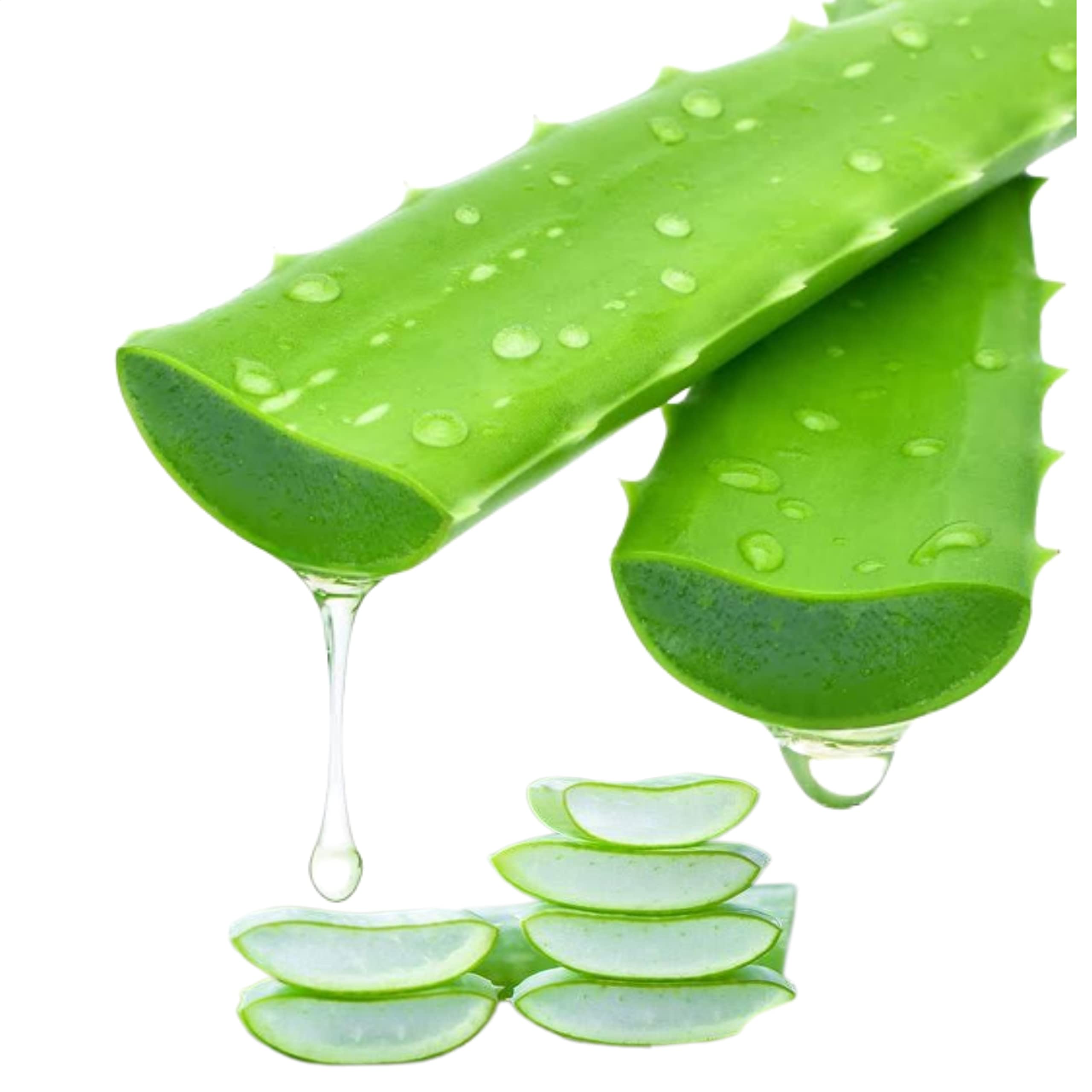

Some natural ingredients may support mild scar improvement:
- Aloe vera (soothing, hydrating)
- Honey (antibacterial properties)
- Rosehip oil (contains fatty acids)
However, results vary and scientific evidence is limited compared to medical treatments.
Professional Scar Treatments in the USA
If home care isn’t enough, American dermatology clinics offer advanced options.
1. Laser Therapy
Improves color and texture.
2. Chemical Peels
Remove top skin layers to fade discoloration.
3. Microneedling
Stimulates collagen production.
4. Steroid Injections
Commonly used for raised scars and keloids.
5. Surgical Scar Revision
For severe or large scars.
Consult a board-certified dermatologist for personalized advice.
How Long Does It Take to Fade Scars?
Patience is key.
- Minor scars: 3–6 months
- Deeper scars: 6–12 months
- Keloids: May require ongoing treatment
Consistency matters more than using multiple products at once.
Common Mistakes That Worsen Scars
❌ Picking at scabs
❌ Skipping sunscreen
❌ Using harsh scrubs too early
❌ Trying too many treatments at once
❌ Ignoring professional help for severe scars
Lifestyle Habits That Improve Skin Healing
✔ Stay hydrated
✔ Eat a protein-rich diet
✔ Include Vitamin C and zinc
✔ Avoid smoking
✔ Manage stress
Healthy skin heals better.
When to See a Dermatologist
Seek professional care if:
- The scar is painful or itchy
- It continues growing
- It causes emotional distress
- Home treatments show no improvement
Early intervention gives better results.
Scars tell a story of healing—but if they affect your confidence, you have options. In the United States, both over-the-counter treatments and advanced dermatological procedures can significantly reduce the appearance of injury marks.
The most important principles:
✔ Protect from sun
✔ Stay consistent
✔ Choose evidence-based treatments
✔ Be patient
With the right approach, smoother, clearer skin is possible.
Disclaimer: This article is for educational purposes only and does not replace professional medical advice. Always consult a licensed healthcare provider or dermatologist for personalized treatment recommendations.