Aging is inevitable—but how we age is largely influenced by daily habits. Modern research in neuroscience, nutrition, and preventive medicine shows that brain health and longevity are deeply connected, and small lifestyle choices can slow age-related decline while improving quality of life.
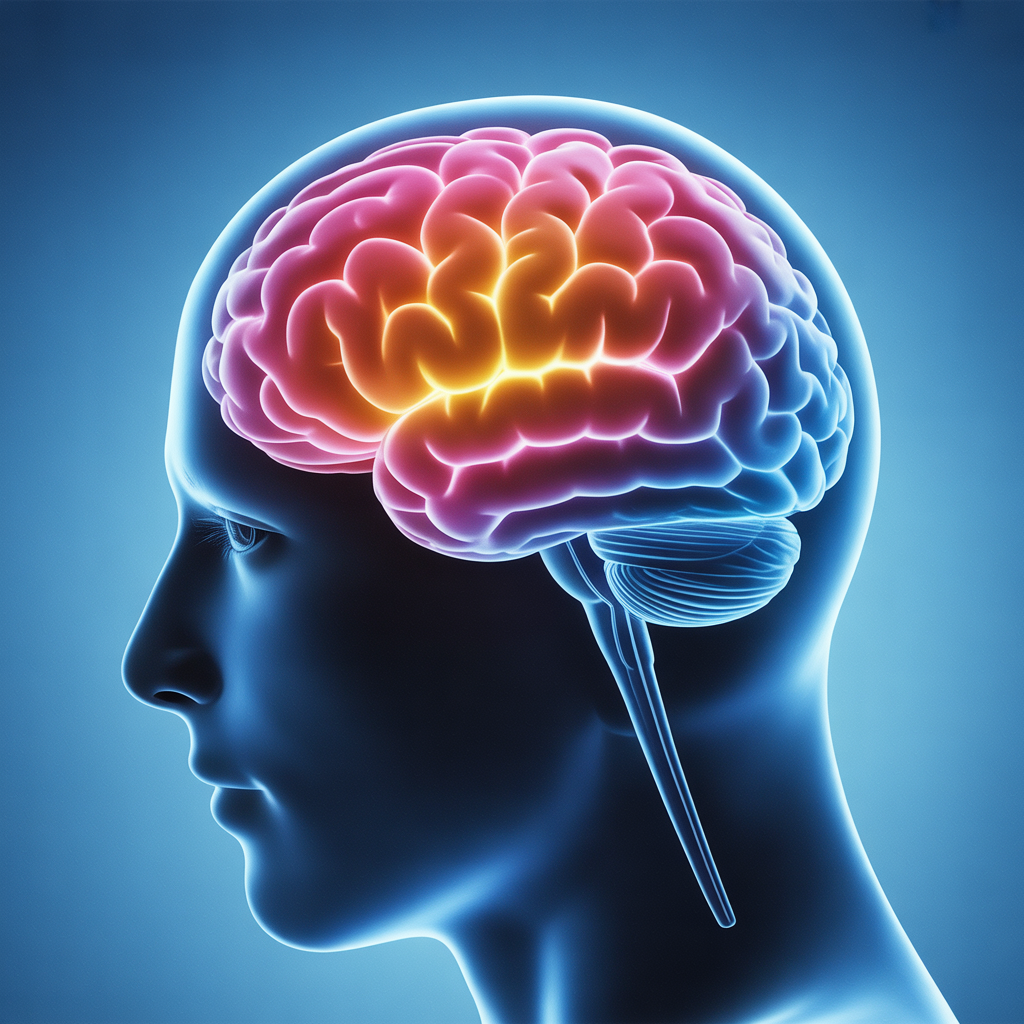
Anti-aging isn’t about chasing youth. It’s about protecting your brain, preserving mobility, and staying mentally sharp and physically active for as long as possible.
Why Brain Health Matters for Longevity
Your brain controls memory, mood, movement, and decision-making. As we age, cognitive decline isn’t guaranteed—but risk increases when lifestyle factors like poor sleep, inactivity, and chronic stress pile up.
Studies consistently show that people who protect brain health:
- Live longer
- Maintain independence
- Reduce risk of dementia and stroke
- Enjoy better emotional well-being
Longevity starts in the brain.
1. Move Your Body to Protect Your Brain
Regular physical activity is one of the strongest predictors of healthy aging.
Research shows that exercise:
- Improves blood flow to the brain
- Supports memory and learning
- Reduces risk of Alzheimer’s disease
Best options: walking, strength training, yoga, swimming
Goal: at least 150 minutes of moderate activity per week
Movement is medicine—especially for your brain.
2. Eat for Brain Longevity
Nutrition plays a major role in how the brain ages. Diets rich in whole foods are linked to slower cognitive decline.
Brain-supporting foods include:
- Leafy greens
- Berries
- Fatty fish (omega-3s)
- Nuts and seeds
- Olive oil
Limiting ultra-processed foods and excess sugar helps reduce inflammation linked to aging.
3. Prioritize Sleep Like It’s Non-Negotiable
Sleep is when the brain clears waste products and consolidates memories. Chronic sleep deprivation accelerates aging and impairs cognition.
Healthy sleep habits:
- 7–9 hours per night
- Consistent sleep schedule
- Limited screen time before bed
Good sleep protects memory, mood, and immune health.
4. Train Your Brain, Not Just Your Body
Mental stimulation strengthens neural connections and builds cognitive reserve.
Try:
- Reading and writing
- Learning new skills
- Playing strategy games
- Engaging in creative hobbies
Lifelong learning keeps the brain adaptable and resilient.
5. Manage Stress to Slow Biological Aging
Chronic stress increases cortisol, which damages brain cells and accelerates aging at the cellular level.
Effective stress-reduction tools:
- Mindfulness or meditation
- Deep breathing
- Time in nature
- Social connection
A calm nervous system supports longevity.
6. Maintain Strong Social Connections
Loneliness is linked to faster cognitive decline and increased mortality risk.
Healthy aging includes:
- Meaningful relationships
- Community involvement
- Regular conversations and social activity
Human connection is powerful anti-aging medicine.
7. Protect Heart Health to Protect the Brain
What’s good for your heart is good for your brain. High blood pressure, diabetes, and high cholesterol increase dementia risk.
Support cardiovascular health by:
- Staying active
- Eating balanced meals
- Getting regular health checkups
- Managing blood pressure and blood sugar
Brain longevity depends on healthy circulation.
8. Avoid Habits That Accelerate Aging
Certain behaviors speed up biological aging.
Limit or avoid:
- Smoking
- Excess alcohol
- Chronic sleep deprivation
- Highly sedentary lifestyles
Longevity is about what you consistently do—or don’t do.
9. Purpose and Meaning Matter
Studies on longevity repeatedly show that people with a strong sense of purpose live longer and stay mentally sharper.
Purpose can come from:
- Career or volunteering
- Family and caregiving
- Creative or spiritual pursuits
A meaningful life supports a healthier brain.
Anti-aging isn’t about reversing time—it’s about protecting your brain, body, and independence. Science shows that daily habits shape how we age far more than genetics alone.
Move regularly. Eat intentionally. Sleep deeply. Stay curious. Connect often.
Longevity isn’t just about adding years to life—it’s about adding life to your years.