

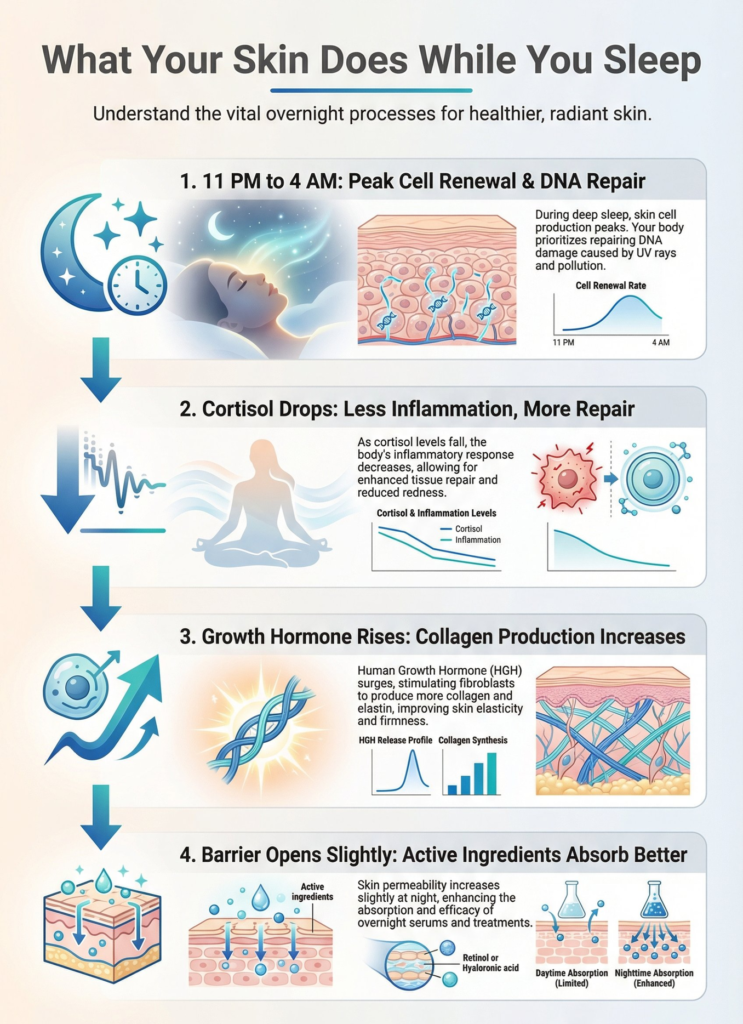
A consistent night skincare routine is one of the most effective ways to maintain healthy, glowing skin. During the night, the skin naturally repairs and regenerates itself, making bedtime the perfect time to nourish and restore your skin.
Dermatology research suggests that skin cell regeneration increases while we sleep. This means applying the right skincare products before bed can help improve hydration, repair damage caused by environmental stressors, and support a brighter complexion.
In the United States, many dermatologists recommend a simple yet effective nighttime skincare routine that focuses on cleansing, hydration, and skin repair. This guide explains the essential steps to follow for healthy and glowing skin.
Why A Night Skincare Routine Is Important
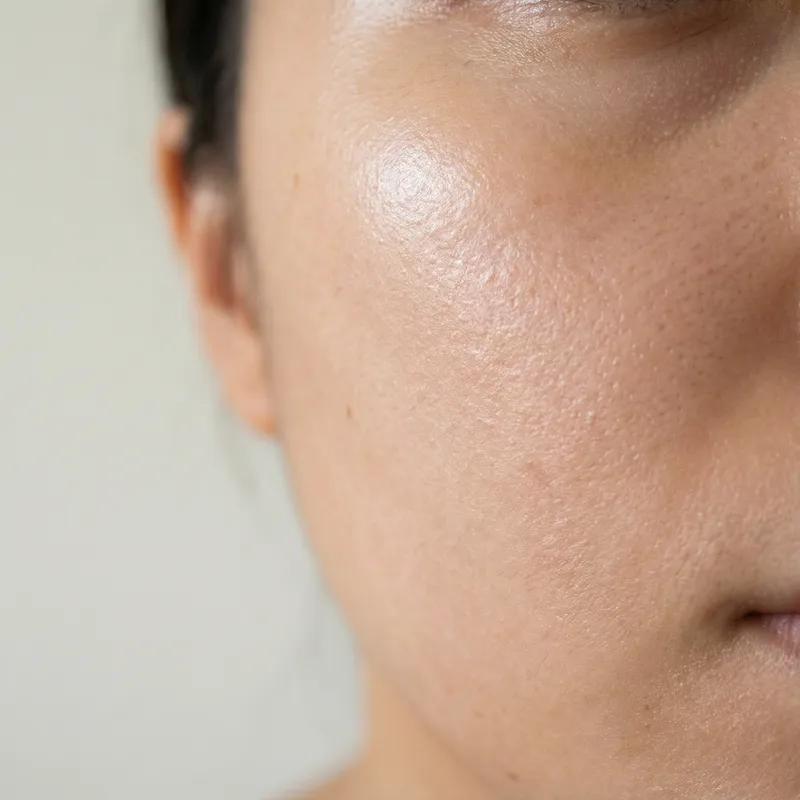
Throughout the day, the skin is exposed to multiple environmental stressors, including:
- Pollution
- Sun exposure
- Sweat and oil
- Makeup and dirt
If these impurities are not removed properly, they can clog pores and lead to skin problems such as acne, dullness, and irritation.
A proper nighttime routine helps:
- Remove dirt and excess oil
- Hydrate and repair skin
- Reduce signs of aging
- Improve overall skin texture
Step-by-Step Night Skincare Routine

Following the right sequence of skincare steps helps maximize the effectiveness of each product.
Step 1: Remove Makeup
The first step is to remove makeup and sunscreen from your face.
Popular options include:
- Micellar water
- Cleansing oil
- Makeup remover wipes
Removing makeup prevents clogged pores and allows your skin to breathe.
Step 2: Cleanse Your Face
Cleansing removes dirt, oil, and impurities that accumulate during the day.
Choose a gentle cleanser that suits your skin type:
- Gel cleanser for oily skin
- Cream cleanser for dry skin
- Foam cleanser for combination skin
Wash your face with lukewarm water and gently massage the cleanser into your skin.
Step 3: Apply Toner
Toners help restore the skin’s natural pH balance after cleansing.
Benefits of toner include:
- Removing leftover impurities
- Tightening pores
- Preparing the skin for better product absorption
Look for alcohol-free toners containing ingredients like rose water, witch hazel, or hyaluronic acid.
Step 4: Apply Serum
Serums contain concentrated active ingredients that target specific skin concerns.
Common types of serums include:
- Vitamin C serum for brightening
- Hyaluronic acid serum for hydration
- Retinol serum for anti-aging
- Niacinamide serum for acne control
Serums penetrate deeply into the skin and deliver powerful benefits.
Step 5: Apply Eye Cream
The skin around the eyes is thinner and more delicate than the rest of the face.
Eye creams help reduce:
- Dark circles
- Puffiness
- Fine lines
Use your ring finger to gently tap a small amount around the eye area.
Step 6: Moisturize Your Skin
Moisturizers help lock in hydration and protect the skin barrier overnight.
Choose a moisturizer based on your skin type:
- Lightweight gel moisturizer for oily skin
- Rich cream moisturizer for dry skin
Ingredients such as ceramides, glycerin, and shea butter help maintain skin hydration.
Step 7: Use Night Cream or Face Oil
Night creams and facial oils provide deep nourishment while you sleep.
These products often contain ingredients such as:
- Retinol
- Peptides
- Antioxidants
- Plant oils
They support skin repair and improve elasticity.
Weekly Night Skincare Add-Ons

In addition to your daily routine, certain treatments can be used once or twice a week.
Exfoliation
Exfoliating removes dead skin cells and promotes a smoother complexion.
Face Masks
Face masks help address specific skin concerns such as hydration, acne, or dullness.
Hydrating Treatments
Sheet masks and overnight masks provide intense hydration.
Tips for Healthy Glowing Skin


Skincare products alone cannot maintain healthy skin. Lifestyle habits also play a crucial role.
Stay Hydrated
Drinking enough water helps maintain skin moisture and elasticity.
Get Quality Sleep
Your skin repairs itself during sleep, making rest essential for glowing skin.
Eat a Balanced Diet
Foods rich in antioxidants, vitamins, and healthy fats support skin health.
Manage Stress
Stress can trigger skin problems such as acne and dullness.

A consistent night skincare routine is one of the best ways to maintain healthy, glowing skin. By following simple steps—such as cleansing, toning, applying serums, and moisturizing—you can help your skin recover from daily stress and improve its overall appearance.
The key to effective skincare is consistency and choosing products suitable for your skin type. Combined with healthy lifestyle habits, a well-structured nighttime routine can help you achieve radiant skin and long-term skin health.