
Dry skin is one of the most common skincare concerns, especially in regions with cold weather, low humidity, or frequent indoor heating. During the night, your skin naturally repairs and regenerates itself, making bedtime the perfect opportunity to deeply hydrate and nourish dry skin.
According to the American Academy of Dermatology, dry skin occurs when the skin lacks adequate moisture and protective oils. A consistent nighttime routine can help restore hydration, strengthen the skin barrier, and promote a healthy glow.

This guide explains the best nighttime skincare routine for dry skin, with dermatologist-inspired steps designed for people living in the United States.
Why Nighttime Skincare Is Important for Dry Skin



At night, your skin goes into repair mode. Blood flow to the skin increases, and the body works to rebuild collagen and repair damage caused by environmental stressors such as pollution and UV exposure.
For individuals with dry skin, nighttime skincare helps:
- Restore lost moisture
- Repair the skin barrier
- Prevent flakiness and irritation
- Improve skin elasticity
- Promote smoother and brighter skin
Using hydrating products before bed allows the skin to absorb nutrients overnight.
Step 1: Gentle Cleansing


Cleansing is the first and most important step in any nighttime skincare routine.
Throughout the day, your skin collects:
- Dirt
- Oil
- Sweat
- Pollution particles
- Makeup residue
A gentle, hydrating cleanser removes impurities without stripping the skin’s natural oils.
Tips for dry skin cleansing
- Use cream-based or hydrating cleansers
- Avoid harsh foaming cleansers with alcohol
- Wash your face with lukewarm water
- Pat skin dry gently instead of rubbing
This step prepares your skin to absorb the next skincare products more effectively.
Step 2: Apply a Hydrating Toner

A hydrating toner helps replenish moisture after cleansing and balances the skin’s natural pH level.
Look for toners containing:
- Hyaluronic acid
- Aloe vera
- Rose water
- Glycerin
These ingredients help retain moisture and soothe dry, irritated skin.
Avoid toners with high alcohol content, which can worsen dryness.
Step 3: Use a Hydrating Serum

Serums are lightweight but highly concentrated skincare products designed to target specific concerns.
For dry skin, the best serums include ingredients such as:
- Hyaluronic acid for deep hydration
- Vitamin C for skin brightness
- Niacinamide for strengthening the skin barrier
- Peptides for skin repair
Apply a few drops and gently press the serum into your skin to enhance absorption.
Step 4: Apply a Nourishing Night Cream


Night creams are thicker and more nourishing than daytime moisturizers.
A high-quality night cream helps:
- Lock in moisture
- Repair the skin barrier
- Prevent overnight water loss
- Improve skin softness
Look for ingredients such as:
- Ceramides
- Shea butter
- Squalane
- Hyaluronic acid
These ingredients help restore hydration and protect dry skin overnight.
Step 5: Use an Eye Cream

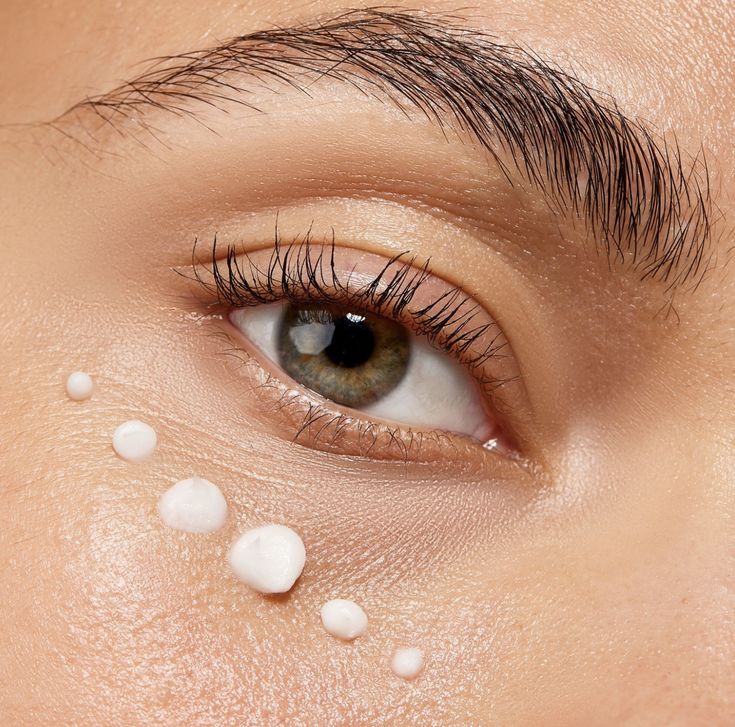

The skin around the eyes is thinner and more delicate than the rest of the face.
Eye creams help reduce:
- Dryness
- Fine lines
- Puffiness
- Dark circles
Gently tap the product around the eye area using your ring finger to avoid excessive pressure.
Step 6: Optional Overnight Face Oil
For extremely dry skin, adding a face oil can provide additional hydration.
Popular facial oils include:
- Argan oil
- Rosehip oil
- Jojoba oil
- Marula oil
These oils help seal in moisture and keep the skin soft and supple throughout the night.
Extra Tips for Managing Dry Skin
Dermatologists in the United States recommend several additional habits for maintaining healthy skin.
Use a Humidifier
Indoor heating can reduce humidity and dry out the skin. A humidifier helps maintain moisture levels in the air.
Stay Hydrated
Drinking enough water throughout the day supports overall skin hydration.
Avoid Hot Showers
Very hot water can strip natural oils from the skin and worsen dryness.
Use Gentle Skincare Products
Choose products labeled “for sensitive skin” or “for dry skin.”
When to See a Dermatologist
If dry skin becomes severe or persistent, consult a dermatologist. Chronic dryness may be related to conditions such as eczema or dermatitis.
Professional evaluation ensures you receive the most effective treatment and skincare recommendations.
A consistent nighttime skincare routine can transform dry skin into soft, hydrated, and glowing skin. By using gentle cleansers, hydrating serums, nourishing moisturizers, and protective oils, you can support your skin’s natural overnight repair process.
Following these dermatologist-recommended steps helps maintain a healthy skin barrier and improves overall skin texture and comfort.
Investing a few minutes in your nighttime routine can make a significant difference in achieving smooth, radiant, and well-hydrated skin.