Chronic diseases are the leading cause of death and disability in the United States. Conditions such as heart disease, type 2 diabetes, cancer, obesity, and chronic respiratory illnesses affect millions of Americans each year.
The encouraging news? Many chronic diseases are preventable.
Understanding chronic disease prevention isn’t just a public health message—it’s a personal strategy for living longer, healthier, and more productively. This guide explains what every U.S. adult should know about reducing risk and improving long-term wellness.
What Are Chronic Diseases?
Chronic diseases are long-lasting conditions that often develop slowly and may worsen over time. Unlike infectious illnesses, they are typically linked to lifestyle, environmental, and genetic factors.
The most common chronic diseases in the United States include:
- Heart disease
- Stroke
- Type 2 diabetes
- Cancer
- Chronic lung diseases
- Hypertension (high blood pressure)
According to the Centers for Disease Control and Prevention, chronic diseases account for a majority of healthcare costs nationwide.
Why Chronic Disease Prevention Matters
Chronic conditions can lead to:
- Reduced quality of life
- Long-term medication use
- Financial strain
- Increased hospitalizations
- Early mortality
Prevention reduces not only personal health risks but also healthcare expenses and workplace productivity loss.
1. Heart Disease Prevention


Heart disease remains the leading cause of death in America.
Key Prevention Strategies:
- Maintain healthy blood pressure
- Lower LDL (“bad”) cholesterol
- Engage in regular physical activity
- Avoid smoking
- Follow a heart-healthy diet
The American Heart Association recommends at least 150 minutes of moderate aerobic activity per week.
2. Preventing Type 2 Diabetes
Type 2 diabetes affects millions of adults, often due to insulin resistance.
Risk Factors:
- Obesity
- Sedentary lifestyle
- Poor diet
- Family history
Prevention Tips:
- Maintain a healthy weight
- Reduce refined sugar intake
- Increase fiber consumption
- Strength train regularly
- Monitor blood glucose levels
Small lifestyle adjustments can significantly reduce diabetes risk.
3. Cancer Prevention Strategies


While not all cancers are preventable, many risk factors are modifiable.
Prevention Measures:
- Avoid tobacco use
- Limit alcohol consumption
- Use sunscreen daily
- Maintain a healthy weight
- Stay physically active
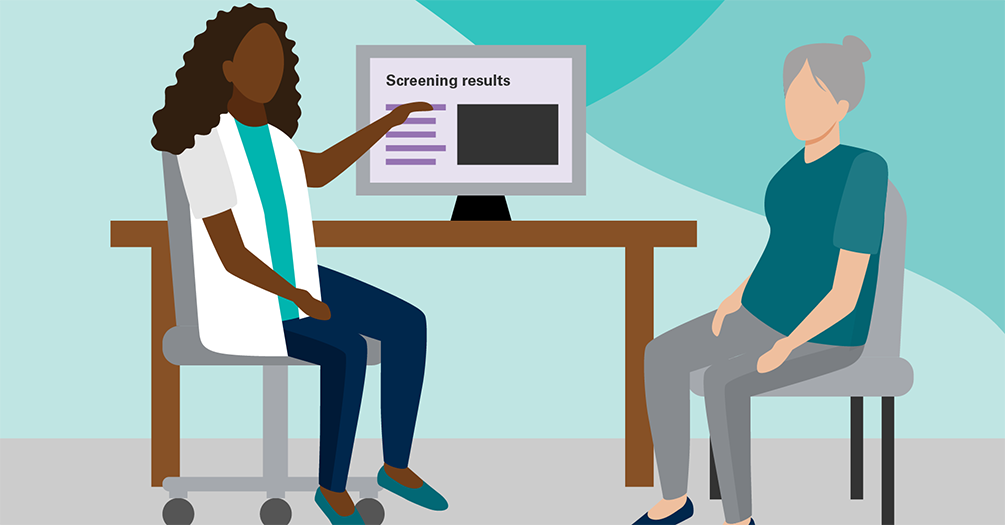
- Get recommended screenings
Organizations like the American Cancer Society emphasize early detection through screenings such as mammograms, colonoscopies, and skin exams.
4. Obesity and Metabolic Health
Obesity increases the risk of heart disease, diabetes, joint problems, and certain cancers.
In the U.S., highly processed foods and sedentary work environments contribute to weight gain.
Prevention Focus:
- Prioritize whole foods
- Control portion sizes
- Avoid sugary beverages
- Move throughout the day
- Sleep 7–9 hours nightly
Weight management is about sustainable habits—not extreme diets.
5. The Role of Physical Activity
Regular exercise reduces the risk of nearly every major chronic disease.
Benefits include:
- Lower blood pressure
- Improved insulin sensitivity
- Reduced inflammation
- Better mental health
- Stronger bones and muscles
Walking, cycling, swimming, strength training, and even gardening contribute to disease prevention.
Consistency matters more than intensity.
6. Nutrition: The Foundation of Prevention
A balanced diet supports immune function, metabolic stability, and cardiovascular health.
Focus on:
- Fruits and vegetables
- Whole grains
- Lean proteins
- Healthy fats (olive oil, nuts)
- Adequate hydration
Limit:
- Processed foods
- Added sugars
- Trans fats
- Excess sodium
Nutrition directly influences inflammation, blood sugar control, and cholesterol levels.
7. Mental Health and Chronic Disease
Stress and depression increase inflammation and hormonal imbalance, which may contribute to chronic conditions.
Preventive strategies include:
- Mindfulness practices
- Social connection
- Therapy when needed
- Adequate sleep
- Work-life balance
Mental well-being is inseparable from physical health.
8. Preventive Screenings Every Adult Should Know
Routine checkups help detect problems early.
Discuss with your healthcare provider about:
- Blood pressure checks
- Cholesterol testing
- Blood glucose testing
- Cancer screenings
- BMI assessment
Preventive care is often covered by insurance plans in the United States.
9. Avoiding Tobacco and Limiting Alcohol
Smoking remains one of the leading preventable causes of disease.
Quitting smoking:
- Reduces heart disease risk
- Lowers cancer risk
- Improves lung function
Moderate alcohol consumption is key. Excess drinking increases risks of liver disease, cancer, and heart problems.
10. Sleep: The Overlooked Preventive Tool
Poor sleep increases risk for:
- Obesity
- Hypertension
- Diabetes
- Depression
Adults should aim for 7–9 hours of quality sleep nightly.
Sleep regulates hormones that control appetite, stress, and immune function.
Social Determinants of Health in the U.S.
Access to healthy food, safe neighborhoods, healthcare services, and education influences chronic disease risk.
Community-level prevention efforts are essential alongside individual lifestyle changes.
Chronic disease prevention is not about perfection—it’s about consistent, sustainable choices.
Every U.S. adult should know that:
✔ Many chronic diseases are preventable
✔ Small lifestyle changes create long-term impact
✔ Preventive care saves money and lives
✔ Health is built daily through habits
You don’t need to overhaul your life overnight. Start with one step—walking daily, cooking more meals at home, scheduling a checkup, or improving sleep.
Prevention is an investment in your future self.
Your health tomorrow depends on the choices you make today.