Communicable diseases—also known as infectious diseases—are illnesses that spread from person to person, through the air, contact with surfaces, food, water, or bodily fluids. While they may sound alarming, the truth is that most communicable diseases are preventable with everyday habits backed by science.
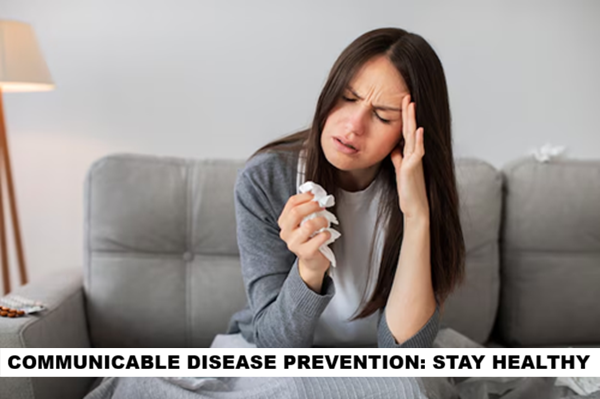
From colds and flu to COVID-19 and foodborne illnesses, prevention starts with awareness and simple actions. Let’s explore how you and your family can reduce risk and stay protected.
What Are Communicable Diseases?
Communicable diseases are caused by bacteria, viruses, fungi, or parasites. Common examples include:
- Influenza (flu)
- COVID-19
- Common cold
- Stomach viruses
- Tuberculosis
- Measles
These illnesses spread easily—but prevention is highly effective when done consistently.
1. Hand Hygiene: Your First Line of Defense
Handwashing remains one of the most powerful tools in disease prevention.
Best practices:
- Wash hands with soap and water for at least 20 seconds
- Clean hands before eating and after restroom use
- Use alcohol-based hand sanitizer when soap isn’t available
This simple habit significantly reduces the spread of respiratory and gastrointestinal infections.
2. Stay Up to Date on Vaccinations
Vaccines protect not only individuals but entire communities.
Why vaccines matter:
- Reduce severity of illness
- Prevent outbreaks
- Protect vulnerable populations
Routine vaccinations—including flu, COVID-19, and childhood immunizations—are a cornerstone of public health in the U.S.
3. Practice Respiratory Etiquette
Many communicable diseases spread through droplets in the air.
Smart habits include:
- Covering coughs and sneezes
- Wearing a mask when sick or in high-risk settings
- Staying home when experiencing symptoms
These steps help break the chain of transmission.
4. Clean and Disinfect High-Touch Surfaces
Viruses and bacteria can live on surfaces for hours or even days.
Focus on cleaning:
- Doorknobs
- Phones
- Light switches
- Countertops
- Keyboards
Regular disinfection is especially important during cold and flu season.
5. Eat and Handle Food Safely
Foodborne illnesses affect millions of Americans each year—but most are preventable.
Food safety tips:
- Wash fruits and vegetables thoroughly
- Cook meat to proper temperatures
- Avoid cross-contamination
- Refrigerate leftovers promptly
Safe food practices protect both adults and children.
6. Strengthen Your Immune System Naturally
A healthy immune system helps your body fight infections more effectively.
Support immunity by:
- Eating a balanced diet rich in fruits and vegetables
- Getting 7–9 hours of sleep
- Staying physically active
- Managing stress
Healthy lifestyle habits reduce illness severity and recovery time.
7. Protect High-Risk Populations
Older adults, children, pregnant women, and people with chronic conditions are more vulnerable to communicable diseases.
Ways to help protect them:
- Avoid visits when sick
- Encourage vaccination
- Practice extra hygiene in shared spaces
Community care is prevention in action.
8. Know When to Seek Medical Care
Early detection and treatment prevent complications and reduce spread.
Seek medical advice if you experience:
- Persistent fever
- Trouble breathing
- Severe fatigue
- Unusual rashes
- Symptoms that worsen quickly
Prompt care protects both you and others.
Why Communicable Disease Prevention Matters?
Preventing infectious diseases:
✔ Saves lives
✔ Reduces healthcare costs
✔ Protects communities
✔ Keeps workplaces and schools functioning
Public health starts with personal responsibility.
Communicable disease prevention doesn’t require extreme measures—just consistent, science-backed habits. By practicing good hygiene, staying vaccinated, caring for your immune system, and being mindful of others, you can significantly reduce your risk and contribute to a healthier nation.
Small actions make a big impact—every day.