


In recent years, health experts in the United States have increasingly emphasized the importance of reducing excess body fat to support healthy aging. New public health guidance and scientific research suggest that lowering body fat—not simply losing weight—can significantly improve longevity, physical function, and overall quality of life.
As people age, the body naturally undergoes metabolic changes that can increase fat storage and decrease muscle mass. However, with proper nutrition, physical activity, and lifestyle habits, individuals can maintain a healthy body composition and reduce the risk of age-related diseases.
This article explains why reducing excess body fat can help you stay younger and healthier, and how to do it safely through diet, exercise, and lifestyle strategies.
Why Reducing Body Fat Matters for Healthy Aging
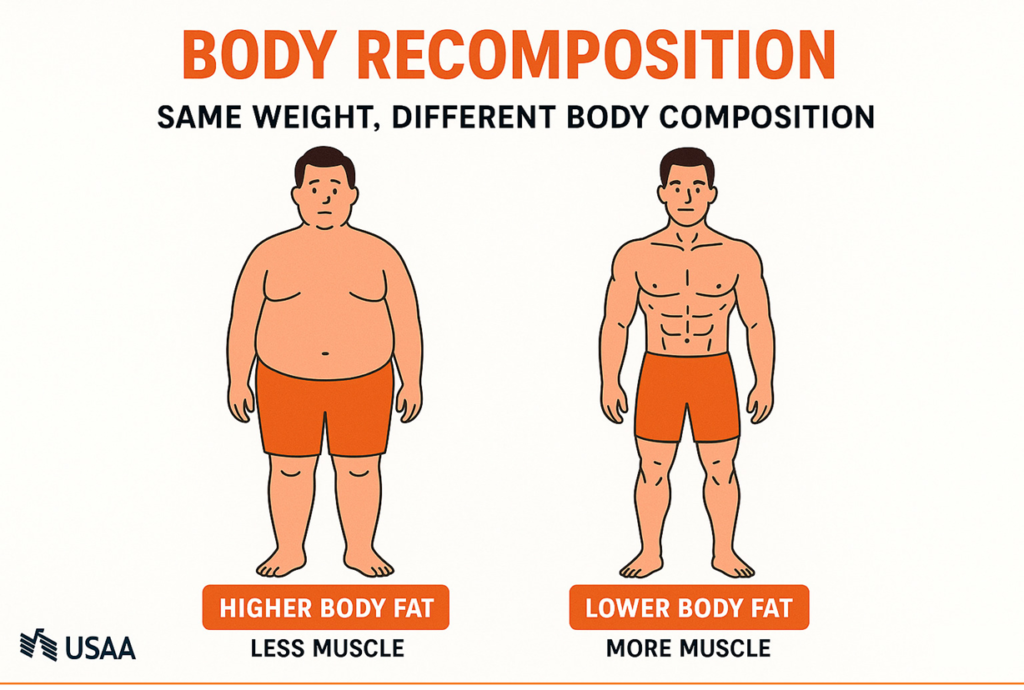

Body fat plays important roles in the body, including energy storage and hormone regulation. However, excess fat—especially visceral fat around the abdomen—can contribute to several chronic diseases.
Studies in metabolic health research indicate that reducing body fat can:
- Improve cardiovascular health
- Reduce inflammation
- Support better insulin sensitivity
- Improve mobility and joint function
- Lower the risk of chronic diseases
Maintaining a healthy body composition is strongly associated with longer life expectancy and improved physical performance in older adults.
New Health Guidance on Body Fat Reduction
Recent health recommendations emphasize focusing on body composition rather than weight alone. Instead of only monitoring the number on the scale, health professionals recommend paying attention to:
- Waist circumference
- Body fat percentage
- Muscle mass
- Physical fitness levels
For many adults in the United States, reducing abdominal fat has become a key target because it is closely linked to metabolic diseases such as heart disease and diabetes.
Healthy aging strategies now encourage gradual fat reduction combined with muscle-building activities.
Common Causes of Excess Body Fat

Several lifestyle and biological factors contribute to increased body fat, particularly as people age.
1. Sedentary Lifestyle
Many Americans spend long hours sitting at desks or using digital devices, which reduces calorie expenditure and contributes to fat accumulation.
2. High-Calorie Diets
Frequent consumption of processed foods, sugary beverages, and fast food can lead to excess calorie intake.
3. Hormonal Changes
Hormonal shifts associated with aging can slow metabolism and increase fat storage.
4. Poor Sleep
Sleep deprivation can disrupt hormones that regulate hunger and appetite.
5. Chronic Stress
Stress can increase cortisol levels, which may promote fat storage, particularly around the abdomen.
Best Diet Strategies for Reducing Body Fat

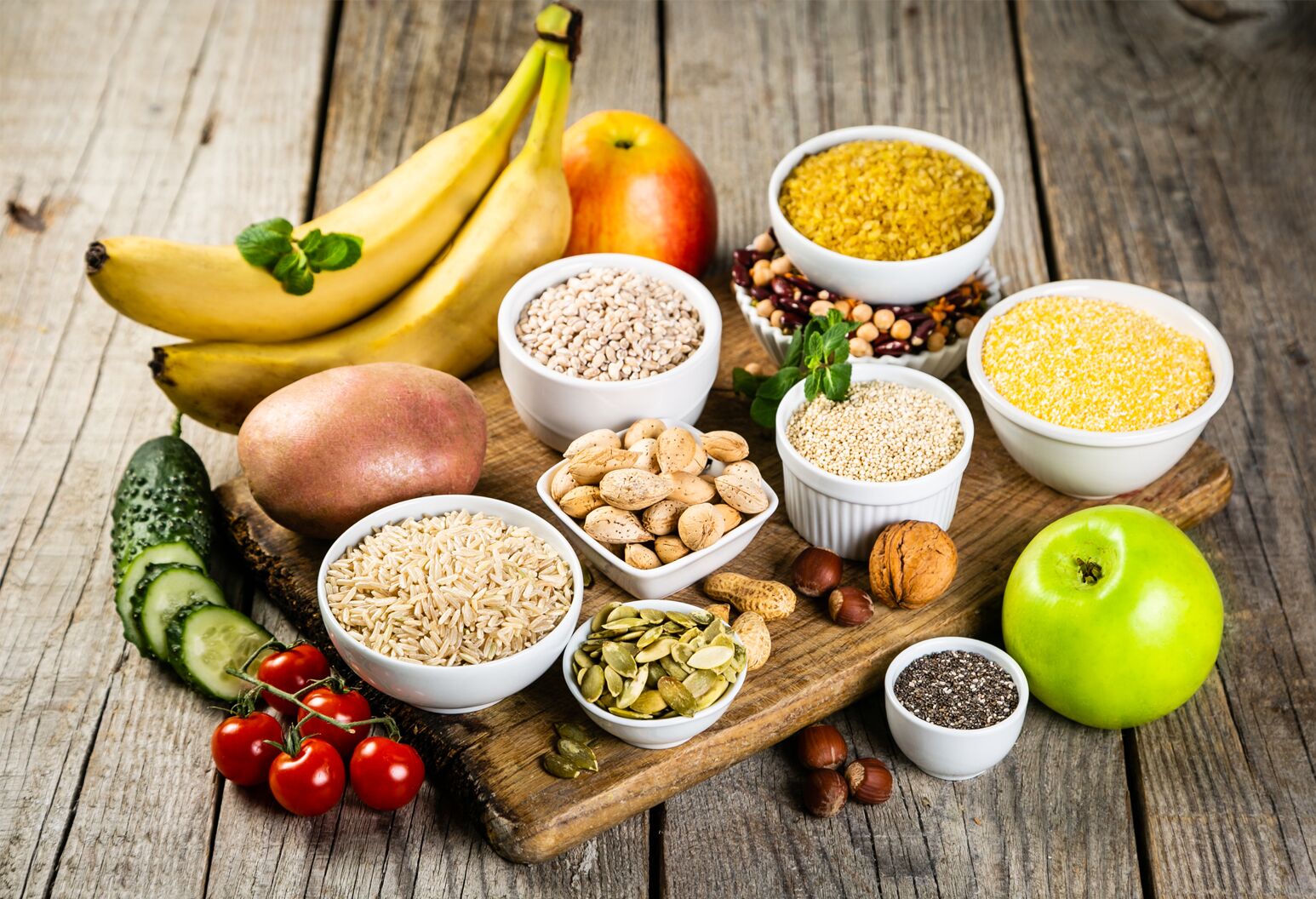

A nutritious diet is one of the most effective ways to reduce body fat while maintaining muscle mass.
1. Increase Protein Intake
Protein supports muscle maintenance and helps control appetite.
Healthy protein sources include:
- Lean chicken and turkey
- Fish
- Eggs
- Greek yogurt
- Lentils and beans
2. Eat More Fiber
Fiber-rich foods improve digestion and increase feelings of fullness.
Good sources include:
- Vegetables
- Fruits
- Oats
- Whole grains
- Legumes
3. Limit Added Sugars and Processed Foods
Reducing sugar intake can significantly decrease excess calorie consumption.
Foods to limit include:
- Sugary drinks
- Processed snacks
- Refined carbohydrates
4. Include Healthy Fats
Healthy fats support hormone balance and overall health.
Examples include:
- Avocados
- Olive oil
- Nuts and seeds
- Fatty fish such as salmon
Exercise Strategies That Help Reduce Body Fat
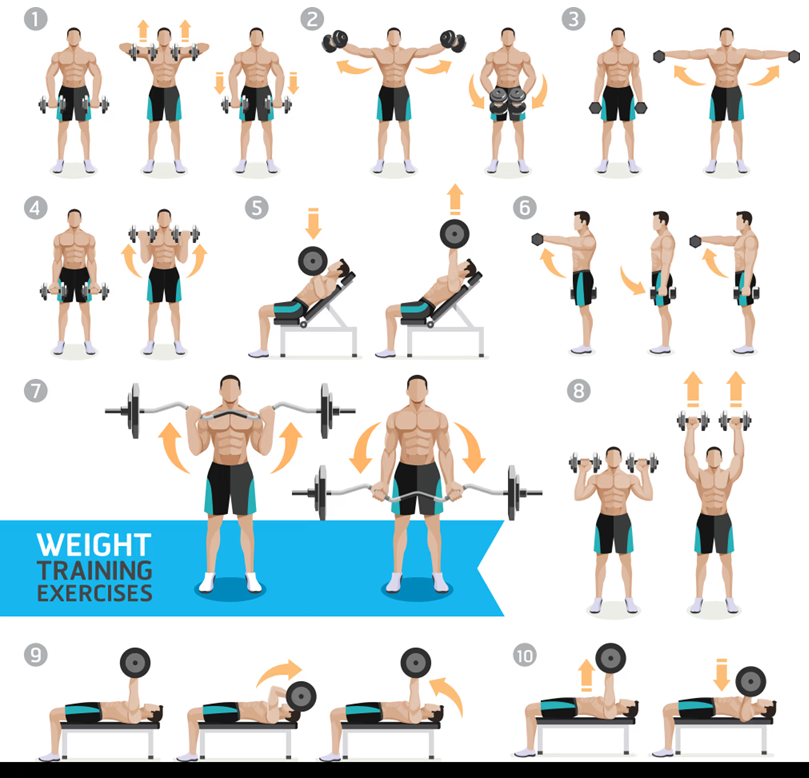
Regular exercise is essential for reducing fat and maintaining muscle.
Health experts recommend combining cardio exercise and strength training.
1. Cardiovascular Exercise
Cardio activities help burn calories and improve heart health.
Examples include:
- Walking
- Running
- Cycling
- Swimming
- Dancing
Experts suggest 150–300 minutes of moderate exercise per week.
2. Strength Training
Building muscle increases metabolism and helps burn fat more efficiently.
Recommended exercises include:
- Squats
- Push-ups
- Resistance band workouts
- Weightlifting
Strength training 2–3 times per week is beneficial for most adults.
3. High-Intensity Interval Training (HIIT)
HIIT involves short bursts of intense activity followed by rest.
Research shows HIIT can help improve fat loss and metabolic health in a shorter workout time.
Lifestyle Habits That Support Healthy Fat Loss
Beyond diet and exercise, several daily habits influence body fat levels.
Prioritize Sleep
Adults should aim for 7–9 hours of sleep per night to support metabolism and hormone balance.

Manage Stress
Mindfulness, meditation, and regular physical activity can help reduce stress-related weight gain.

Stay Hydrated
Drinking enough water supports metabolism and reduces unnecessary snacking.

Stay Active Throughout the Day
Simple activities like walking, standing, and stretching can improve daily energy expenditure.
Reducing excess body fat is not only about appearance—it is a key factor in maintaining health, mobility, and vitality as we age. New health guidance increasingly emphasizes body composition, balanced nutrition, and consistent physical activity as the foundation for healthy aging.
By adopting healthy eating habits, engaging in regular exercise, and maintaining positive lifestyle practices, individuals can reduce excess body fat and support a more energetic and youthful life.
Small, sustainable changes today can lead to long-term health benefits and improved quality of life in the future.