
Heart disease remains one of the leading health concerns in the United States, but the good news is that many risk factors are preventable. Research from organizations like the American Heart Association shows that simple, consistent lifestyle changes can significantly reduce the risk of heart disease and improve overall well-being.
Whether you’re in your 30s, 50s, or beyond, adopting heart-healthy habits can help you live a longer, more active life. This guide explores easy, science-backed lifestyle changes to keep your heart strong and healthy.
Understanding Heart Health
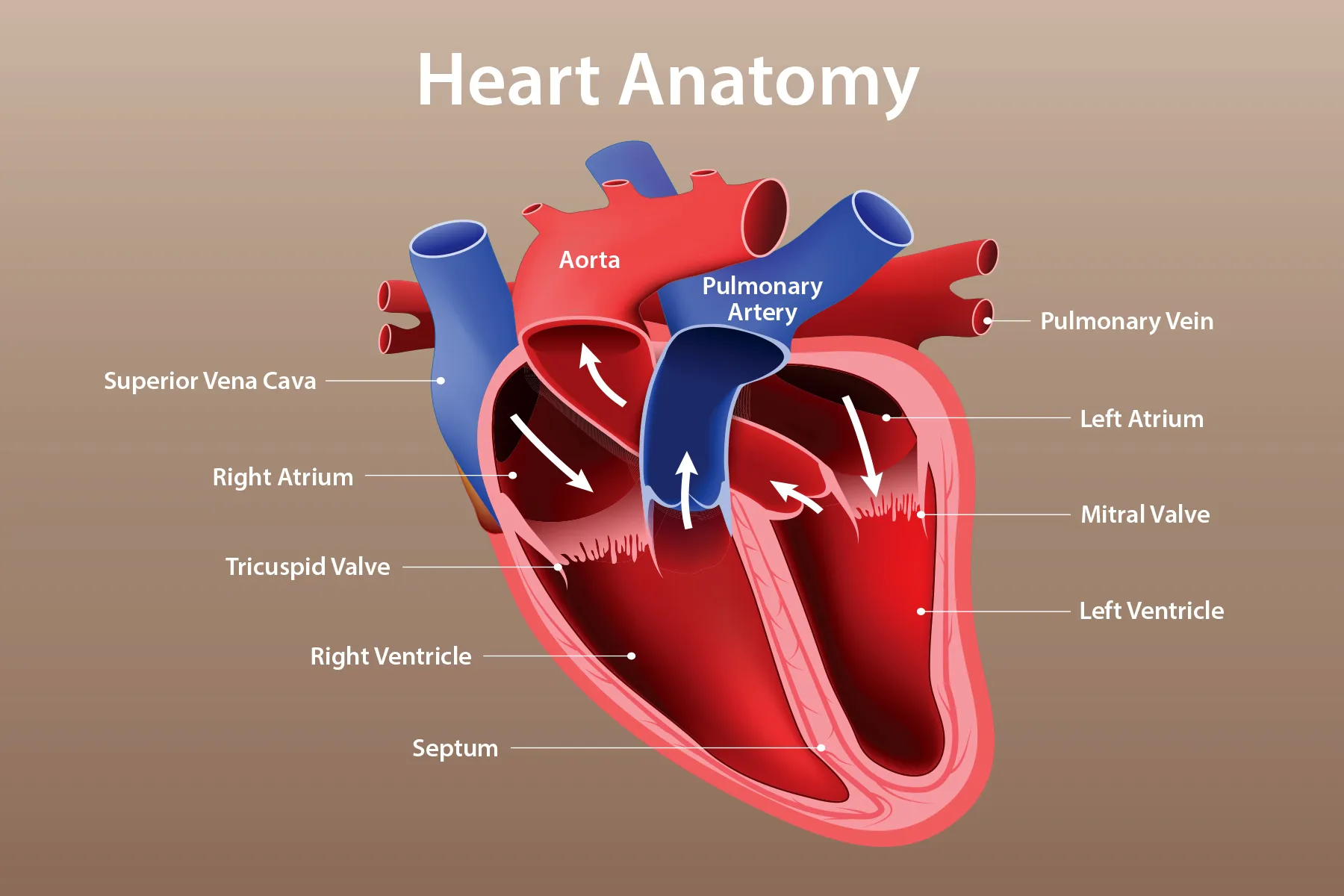
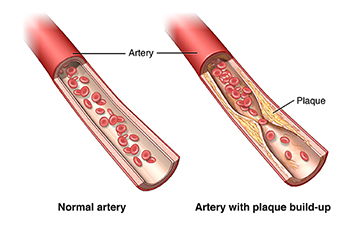
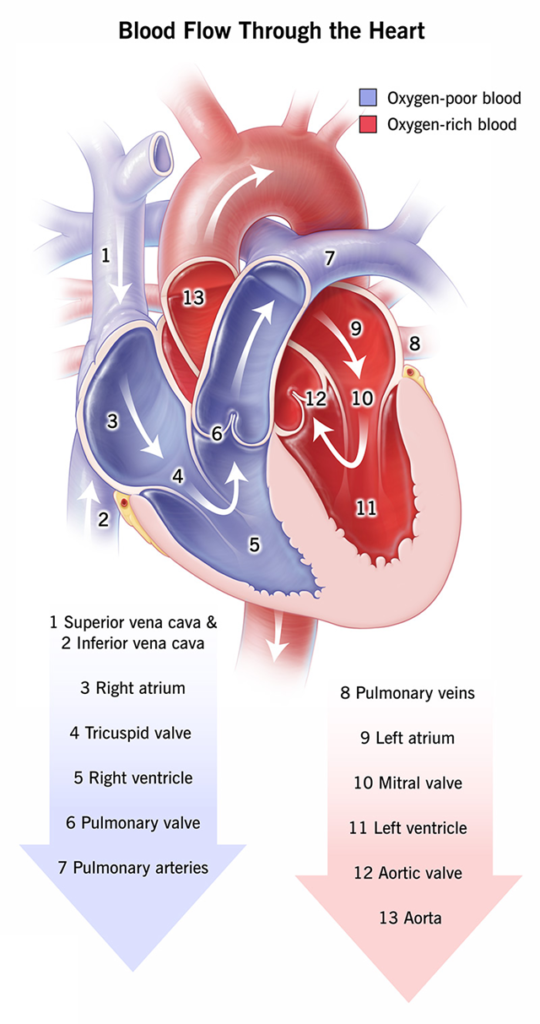
Your heart is responsible for pumping blood throughout your body, delivering oxygen and nutrients to vital organs. Poor lifestyle habits can lead to conditions such as:
- High blood pressure
- High cholesterol
- Coronary Artery Disease
- Stroke
The key to prevention lies in making daily choices that support cardiovascular health.
1. Eat a Heart-Healthy Diet
Your diet plays a major role in heart health.
What to Eat
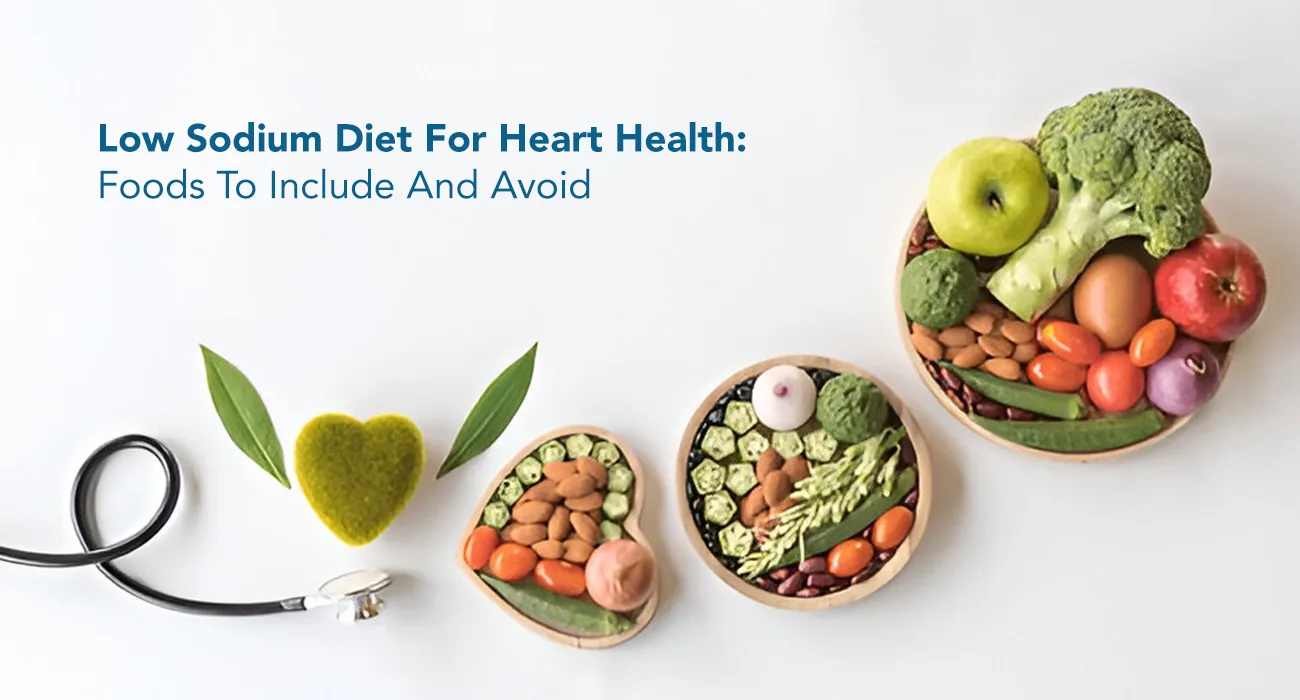
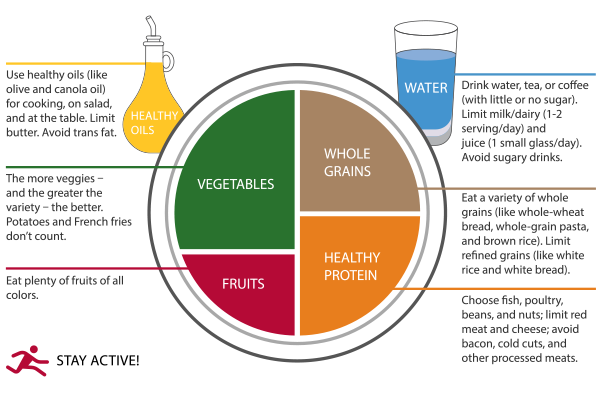
- Fruits and vegetables
- Whole grains
- Lean proteins (fish, chicken, legumes)
- Healthy fats (olive oil, nuts, seeds)
What to Limit
- Processed foods
- Excess salt (sodium)
- Added sugars
- Trans and saturated fats

Popular Diets in the USA
- Mediterranean diet
- DASH diet (Dietary Approaches to Stop Hypertension)
These eating patterns are proven to reduce heart disease risk.

2. Stay Physically Active

Regular physical activity strengthens the heart and improves circulation.
Benefits
- Lowers blood pressure
- Improves cholesterol levels
- Helps maintain a healthy weight
Recommendations
- At least 150 minutes of moderate exercise per week
- Activities like walking, cycling, swimming, or dancing
Even small changes—like taking the stairs or walking daily—can make a big difference.
3. Maintain a Healthy Weight
Excess weight increases the risk of heart disease and related conditions.
Tips for Weight Management
- Eat balanced meals
- Control portion sizes
- Stay active
- Avoid sugary drinks
A healthy weight helps reduce strain on the heart.
4. Manage Stress Levels

Chronic stress can negatively affect heart health.
Stress-Relief Techniques
- Meditation and mindfulness
- Deep breathing exercises
- Spending time outdoors
- Engaging in hobbies
Managing stress supports both mental and cardiovascular health.
5. Get Quality Sleep

Sleep plays a crucial role in heart health.
Why It Matters
- Regulates blood pressure
- Supports metabolism
- Reduces inflammation
Tips
- Aim for 7–9 hours of sleep per night
- Maintain a consistent sleep schedule
- Limit screen time before bed
6. Avoid Smoking and Limit Alcohol


Smoking is one of the biggest risk factors for heart disease.
Key Points
- Quitting smoking improves heart health quickly
- Limit alcohol consumption to moderate levels
Making these changes significantly reduces cardiovascular risk.
7. Monitor Your Health Regularly

Regular health checkups help detect issues early.
Important Metrics to Track
- Blood pressure
- Cholesterol levels
- Blood sugar
- Heart rate
Consult your healthcare provider for personalized advice.
Keeping your heart healthy doesn’t require drastic changes. Small, consistent steps—like eating better, staying active, managing stress, and getting enough sleep—can have a powerful impact on your cardiovascular health.
By adopting these simple lifestyle habits, individuals in the United States can reduce their risk of heart disease and enjoy a longer, healthier life.
Your heart works for you every day—taking care of it should be a top priority.