Vaccines are one of the most important public health achievements in modern medicine. They have helped prevent millions of deaths and protect communities from dangerous infectious diseases. However, misinformation and myths about vaccines continue to spread, creating confusion and hesitation among many people.
According to the Centers for Disease Control and Prevention, vaccination has significantly reduced or eliminated many life-threatening diseases in the United States, including measles, polio, and whooping cough. Understanding the difference between vaccination myths and scientifically proven facts is essential for protecting individual and public health.
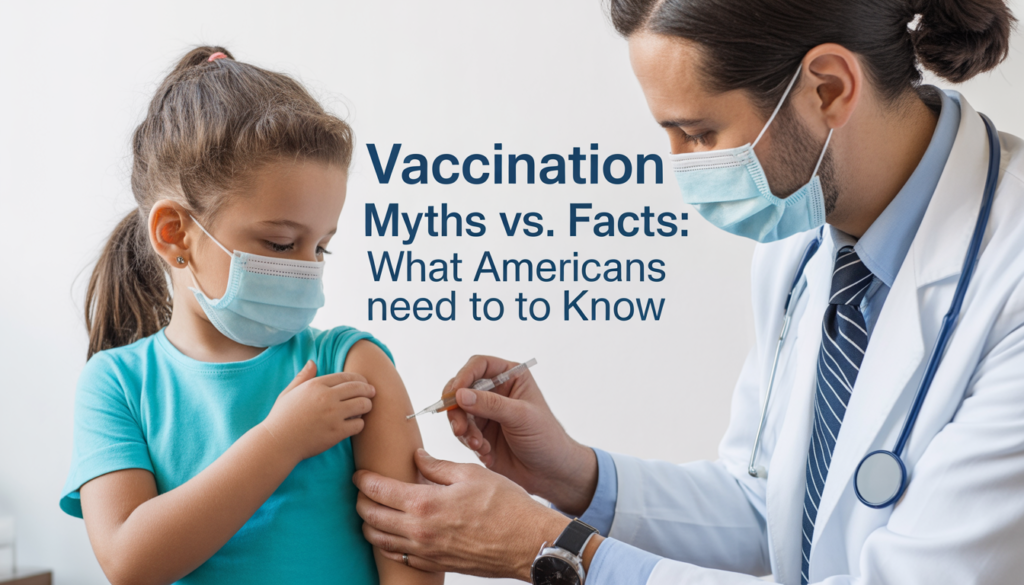
This guide explains the most common vaccine myths, the real scientific facts, and why vaccinations remain critical for Americans of all ages.
Why Vaccinations Are Important



Vaccines work by training the immune system to recognize and fight harmful pathogens such as viruses and bacteria. When vaccinated, the body builds immunity without experiencing the severe illness associated with the disease.
Vaccination programs in the United States help:
- Prevent infectious diseases
- Protect vulnerable populations
- Reduce healthcare costs
- Prevent disease outbreaks
- Strengthen community immunity
Organizations such as the World Health Organization state that vaccines prevent millions of deaths worldwide every year.
Common Vaccination Myths vs. Scientific Facts
Myth 1: Vaccines Cause the Diseases They Are Meant to Prevent

Fact
Vaccines do not cause the diseases they protect against. Most vaccines contain either weakened or inactive parts of a virus or bacteria that stimulate the immune system safely.
These components help the body build immunity without causing the full illness.
For example, vaccines used in the United States undergo extensive safety testing before approval by the U.S. Food and Drug Administration.
Myth 2: Natural Immunity Is Better Than Vaccine Immunity

Fact
While natural infection can provide immunity, it often comes with serious health risks.
For example, diseases like measles, influenza, or COVID-19 can lead to complications such as:
- Hospitalization
- Long-term health problems
- Organ damage
- Death
Vaccines provide immunity without exposing the body to the dangerous effects of the disease.
Myth 3: Vaccines Are Not Necessary Anymore
Fact
Many diseases appear rare today because vaccines have controlled them. However, these diseases still exist and can spread if vaccination rates drop.
For example:
- Measles outbreaks have occurred in areas with low vaccination rates.
- Polio remains present in some parts of the world.
Maintaining high vaccination coverage prevents these diseases from returning.
Myth 4: Vaccines Cause Autism

Fact
Scientific research has repeatedly confirmed there is no link between vaccines and autism.
The myth originated from a small study published in 1998 that was later retracted due to serious scientific misconduct.
Since then, multiple large studies involving millions of children have found no evidence connecting vaccines to autism.
Myth 5: Vaccines Contain Dangerous Ingredients
Fact
Vaccine ingredients are carefully regulated and tested for safety. Small amounts of stabilizers, preservatives, and adjuvants are used to ensure vaccine effectiveness.
These ingredients are present in very small, safe quantities and are continuously monitored by health authorities.
The National Institutes of Health supports extensive research to ensure vaccine safety and effectiveness.
The Role of Vaccines in Public Health

Vaccination programs are essential for protecting both individuals and communities.
When a large portion of the population becomes immune to a disease, it creates herd immunity, which helps protect people who cannot be vaccinated, such as:
- Infants
- Individuals with certain medical conditions
- People with weakened immune systems
Herd immunity helps reduce the spread of contagious diseases and prevents outbreaks.

Vaccines Recommended for Americans
The United States recommends several vaccines throughout life to maintain immunity and protect public health.
Common vaccines include:
Childhood Vaccines
- Measles, mumps, and rubella (MMR)
- Polio
- Diphtheria, tetanus, and pertussis (DTaP)
- Hepatitis B
Adult Vaccines
- Influenza (flu) vaccine annually
- COVID-19 vaccines
- Tetanus booster every 10 years
- HPV vaccine for cancer prevention
Vaccines for Older Adults
- Shingles vaccine
- Pneumococcal vaccine
- Annual flu vaccine
Vaccination schedules may vary depending on age, health status, and travel plans.
How to Identify Reliable Vaccine Information
In the digital age, misinformation spreads quickly online. To ensure accurate health information, rely on trusted medical organizations.
Reliable sources include:
- The Centers for Disease Control and Prevention
- The World Health Organization
- The National Institutes of Health
- Licensed healthcare professionals
Avoid relying on unverified social media claims or non-scientific sources.
Vaccines have transformed public health in the United States and around the world. By preventing serious diseases, reducing healthcare costs, and protecting vulnerable populations, vaccinations remain one of the most effective tools in modern medicine.
Understanding the difference between myths and scientifically supported facts allows Americans to make informed decisions about their health and the health of their families.
Staying informed, consulting healthcare professionals, and following recommended vaccination schedules can help ensure a healthier and safer future for everyone.