Obesity is one of the most significant public health challenges in the modern world. In the United States, millions of adults and children are affected by this condition, increasing the risk of serious diseases and healthcare costs. Understanding what obesity is, why it occurs, and how it can be prevented is essential for improving public health and individual well-being.
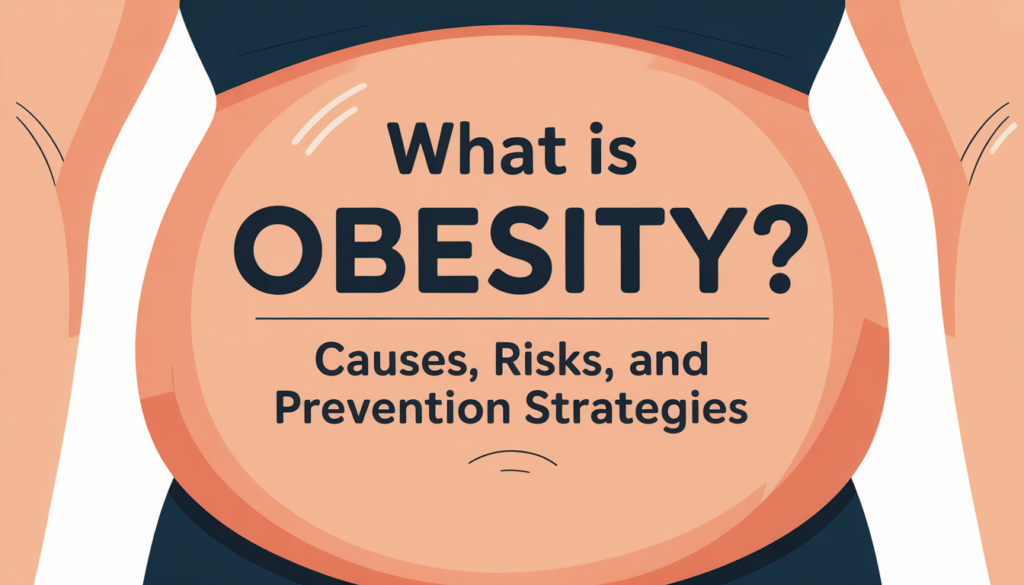
This article explains what obesity means, why it is widespread in the United States, the health risks involved, and practical prevention strategies that individuals and communities can adopt.

What Is Obesity?
Obesity is a chronic medical condition characterized by excessive body fat accumulation that negatively affects health. It occurs when the body stores more energy (calories) than it burns over time.
Medical professionals commonly assess obesity using Body Mass Index (BMI), a measurement that compares a person’s weight to their height.
BMI Classification
- Normal weight: BMI 18.5 – 24.9
- Overweight: BMI 25 – 29.9
- Obesity: BMI 30 or higher
Although BMI does not directly measure body fat, it is widely used in clinical and public health settings because it provides a simple screening tool.
Obesity is considered a complex disease, influenced by genetics, lifestyle, environment, and social factors.

Obesity in the United States
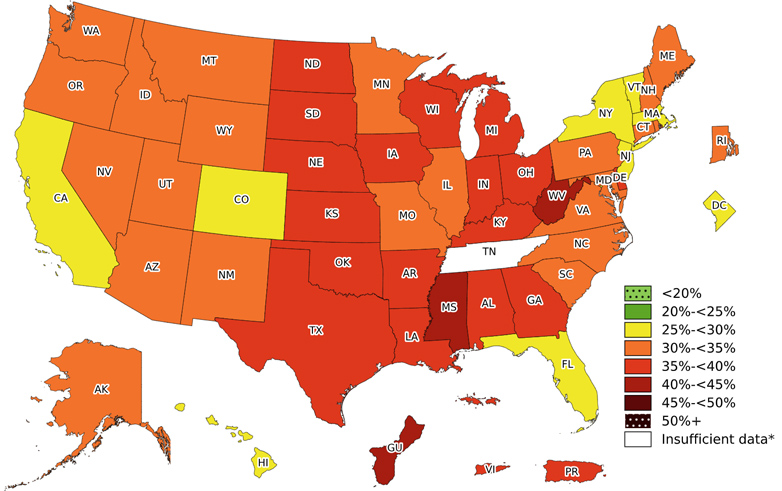

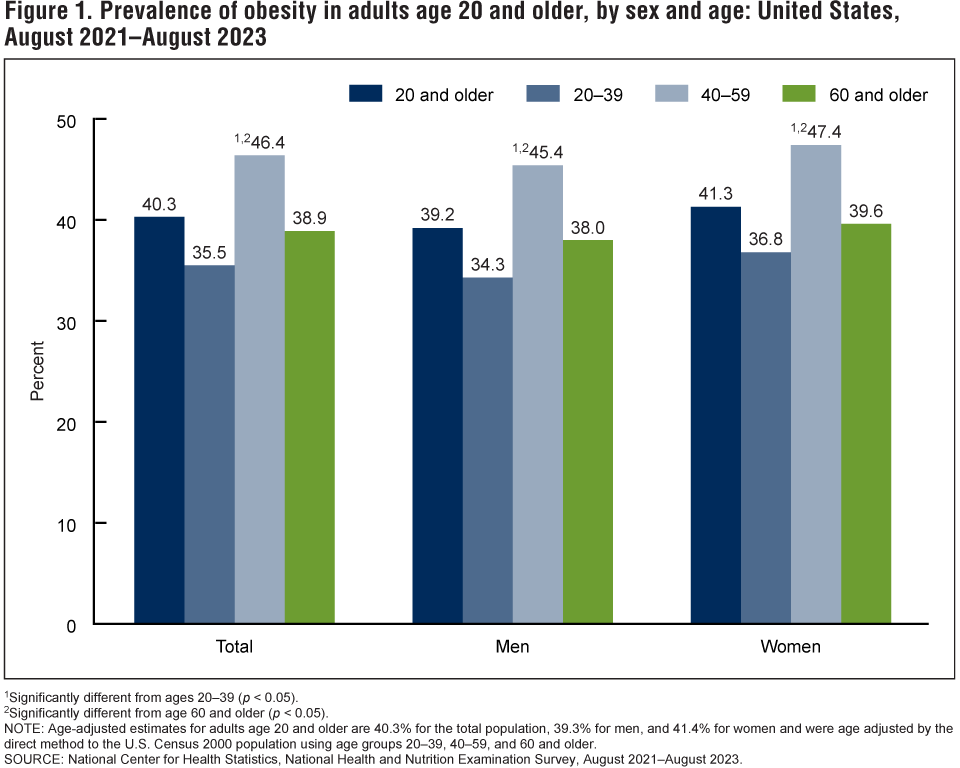
The United States has one of the highest obesity rates among developed nations. Over the past several decades, the prevalence of obesity has increased significantly due to changes in lifestyle, diet, and environment.
Key Statistics
- Nearly 2 in 5 adults in the U.S. are obese.
- Childhood obesity has tripled since the 1970s.
- Healthcare costs related to obesity exceed hundreds of billions of dollars annually.
These numbers highlight why obesity is often described as a public health epidemic in America.
Major Causes of Obesity

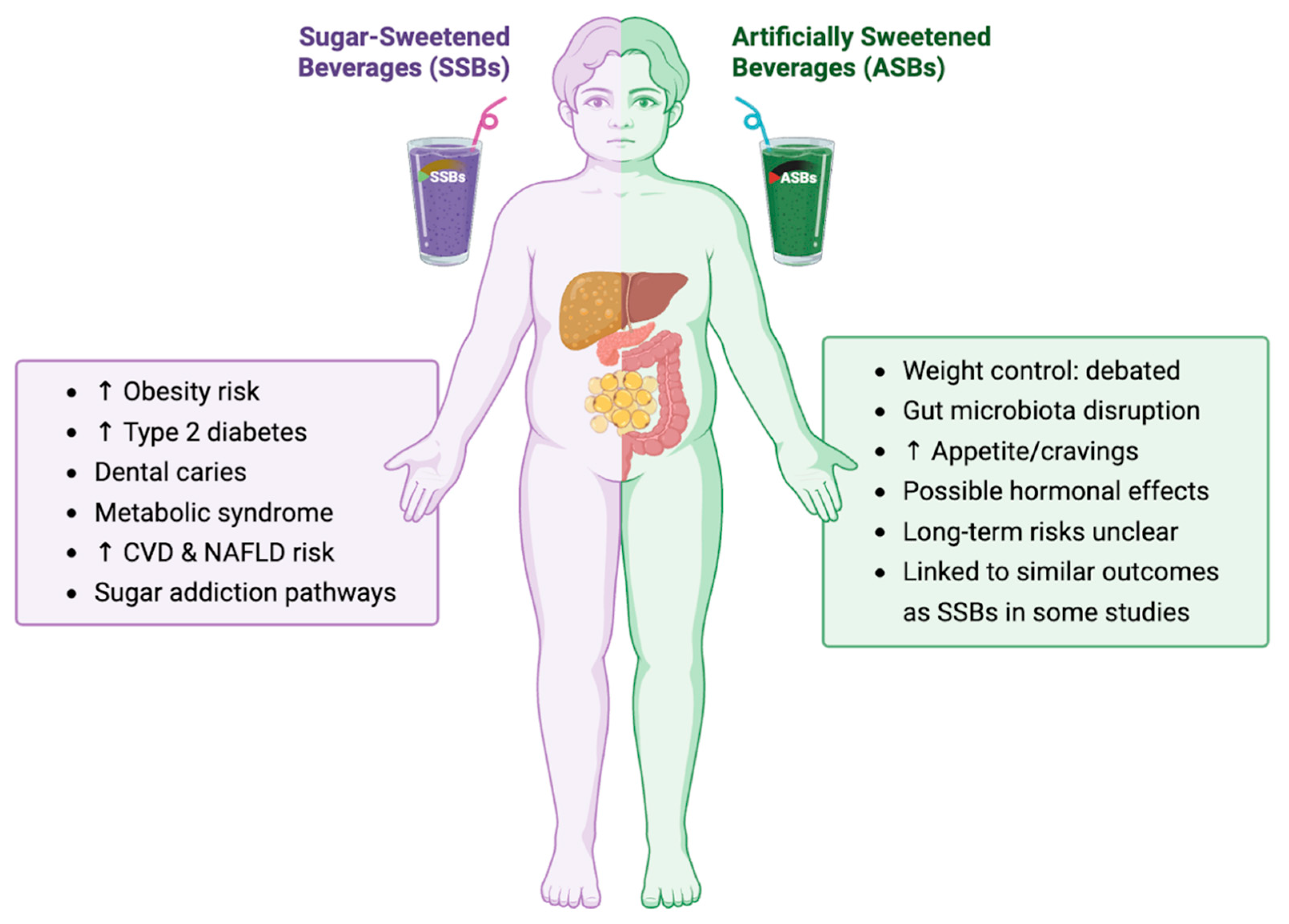
Obesity does not have a single cause. Instead, it results from a combination of biological, behavioral, and environmental factors.
1. Unhealthy Diet
Many Americans consume diets high in:
- Processed foods
- Added sugars
- Saturated fats
- Fast food and sugary beverages
These foods are calorie-dense but nutritionally poor, contributing to weight gain.
2. Sedentary Lifestyle
Modern lifestyles involve long hours of sitting:
- Desk jobs
- Screen time
- Reduced physical activity
Less movement means fewer calories burned, increasing the likelihood of weight gain.
3. Genetics
Some individuals inherit genes that affect:
- Metabolism
- Fat storage
- Appetite regulation
Genetics alone rarely cause obesity but can increase susceptibility.
4. Environmental Factors
The built environment in many U.S. communities encourages unhealthy habits:
- Limited walkability
- Easy access to fast food
- Lack of recreational spaces
5. Psychological and Social Factors
Stress, depression, emotional eating, and socioeconomic conditions can influence eating behaviors and physical activity.
Health Risks Associated With Obesity

Obesity significantly increases the risk of numerous chronic diseases.
1. Heart Disease
Excess body fat raises blood pressure and cholesterol levels, increasing the risk of cardiovascular disease.
2. Type 2 Diabetes
Obesity is one of the strongest risk factors for developing type 2 diabetes.
3. Stroke
High blood pressure and arterial damage linked to obesity can lead to stroke.
4. Certain Cancers
Research shows obesity is associated with higher risk of:
- Breast cancer
- Colon cancer
- Liver cancer
5. Joint Problems
Extra body weight puts pressure on joints, leading to conditions such as osteoarthritis.
6. Mental Health Issues
Obesity can also contribute to:
- Depression
- Low self-esteem
- Social stigma
Prevention Strategies for Obesity



Preventing obesity requires both individual lifestyle changes and community support.
1. Maintain a Balanced Diet
Healthy eating habits include:
- More fruits and vegetables
- Whole grains
- Lean proteins
- Reduced sugar and processed foods
Portion control is also important.
2. Increase Physical Activity
Experts recommend:
- At least 150 minutes of moderate exercise per week
- Activities like walking, cycling, swimming, or sports
3. Improve Sleep Habits
Poor sleep can affect hormones that control hunger and appetite.
Adults should aim for 7–9 hours of sleep per night.
4. Reduce Screen Time
Limiting time spent on phones, computers, and television can encourage more physical activity.
5. Community and Policy Interventions
Public health efforts in the U.S. include:
- School nutrition programs
- Public fitness campaigns
- Improved food labeling
- Access to healthier food options
Obesity is a complex health issue affecting millions of people in the United States. It is influenced by lifestyle, genetics, environment, and social factors. While the consequences can be serious, obesity is preventable and manageable through healthy eating, regular physical activity, and supportive public health initiatives.
By promoting healthier lifestyles and improving access to nutritious foods and safe environments for physical activity, communities can reduce obesity rates and improve overall well-being.