Hormones are the body’s chemical messengers. They regulate mood, metabolism, sleep, growth, fertility, stress response, and energy levels. Yet in the United States—where fast-paced lifestyles, processed foods, chronic stress, and sleep disruption are common—hormonal imbalance is increasingly discussed across all age groups.

Understanding hormone harmony through the ages allows you to take proactive steps toward long-term health. From puberty to midlife and beyond, hormonal shifts are natural—but how we support them makes all the difference.
Let’s explore what happens to hormones at every stage of life and how to maintain balance naturally.
What Are Hormones and Why Do They Matter?
Hormones are produced by the endocrine system, including glands such as the thyroid, adrenal glands, pancreas, ovaries, and testes. Key hormones include:
- Estrogen
- Progesterone
- Testosterone
- Cortisol
- Insulin
- Thyroid hormones
- Melatonin
When hormones function in balance, the body feels energized, focused, and emotionally stable. When they are disrupted, symptoms can include:
- Fatigue
- Mood swings
- Weight changes
- Sleep disturbances
- Low libido
- Brain fog
Hormones in Childhood and Adolescence
During puberty, the body experiences one of its most dramatic hormonal transformations.
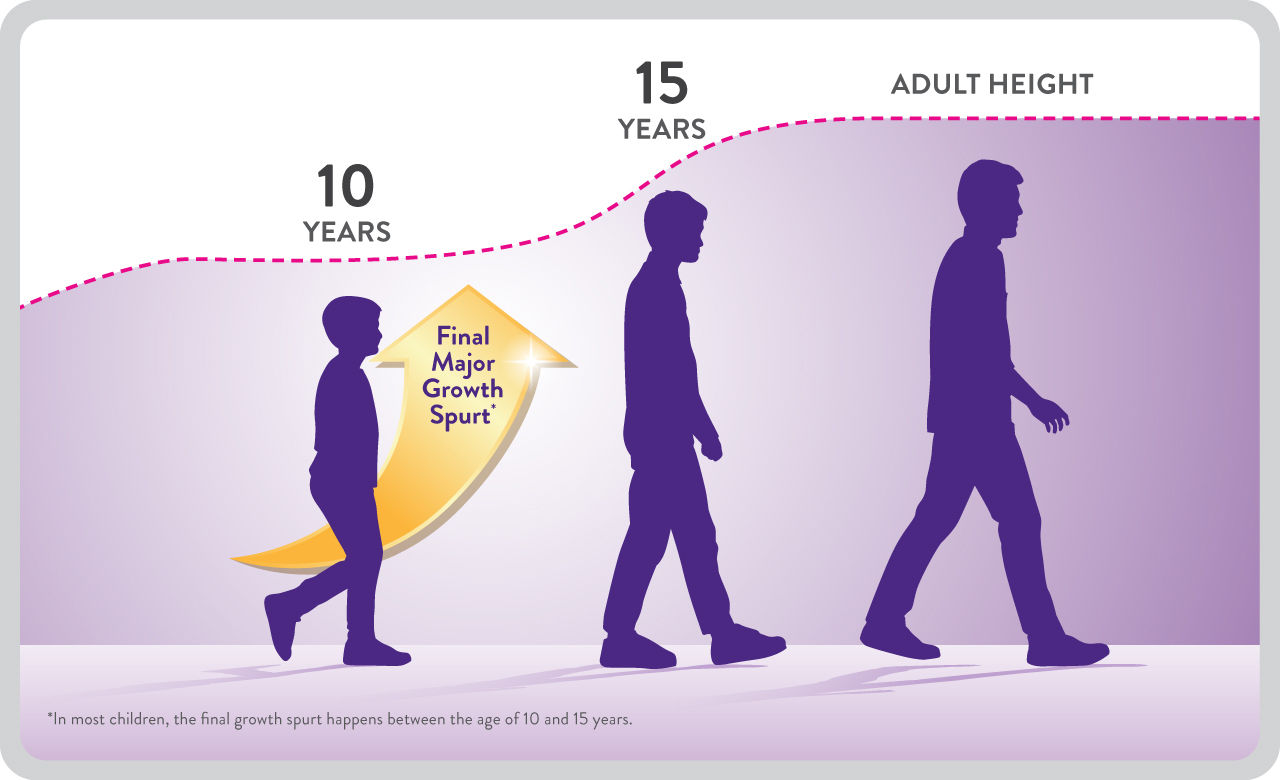
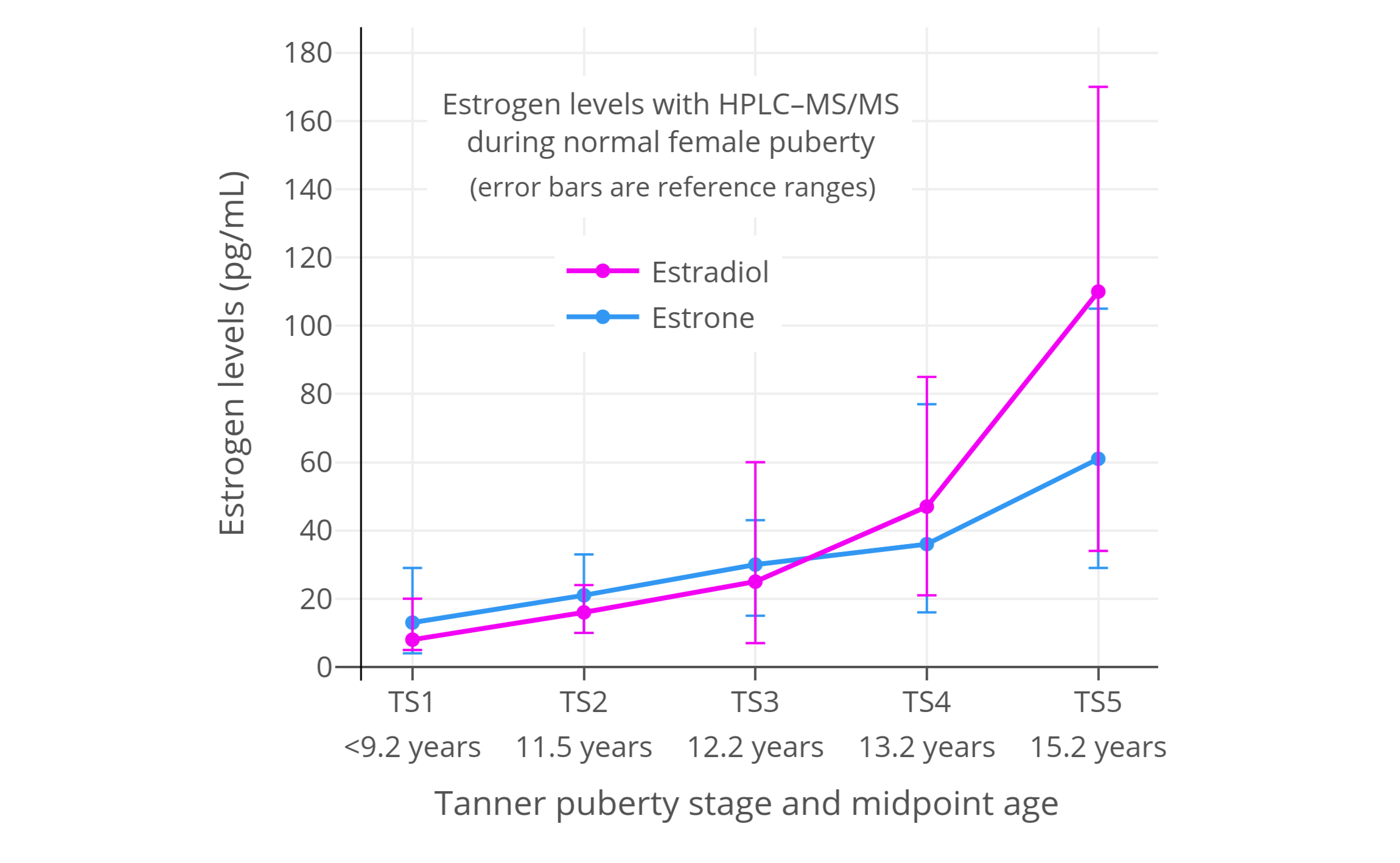
What Happens:
- Surge in estrogen (girls) and testosterone (boys)
- Growth hormone increases
- Emotional sensitivity rises
- Circadian rhythms shift
Common Challenges in the U.S.
- Irregular sleep schedules
- High sugar consumption
- Screen overexposure
- Academic stress
How to Support Hormone Health:
- Consistent sleep routines
- Balanced nutrition with protein and fiber
- Physical activity
- Reduced ultra-processed foods
Early lifestyle habits shape long-term endocrine health.
Hormones in Your 20s and 30s: Peak and Pressure
For many Americans, this stage includes career building, family planning, and increased stress exposure.
Key Hormonal Factors:
- Peak fertility years
- Stable estrogen and testosterone (ideally)
- Increased cortisol from work stress
- Thyroid sensitivity to stress
Common Symptoms:
- PMS or menstrual irregularities
- Stress-related weight gain
- Burnout
- Insomnia
Science-Backed Strategies:
- Strength training (supports insulin and testosterone balance)
- Stress reduction practices (mindfulness, breathwork)
- Limiting excessive caffeine and alcohol
- Regular health screenings
Chronic stress in this phase is a major contributor to future hormonal disruption.
Hormones in Your 40s and 50s: Transition and Change
This stage often includes perimenopause and menopause in women and gradual testosterone decline in men (sometimes called andropause).
For Women:
- Estrogen and progesterone fluctuate
- Hot flashes and sleep disruption may occur
- Bone density begins to decline

For Men:
- Gradual testosterone reduction
- Decreased muscle mass
- Energy fluctuations

Evidence-Based Support:
- Resistance training (protects bone and muscle)
- Adequate protein intake
- Vitamin D and calcium monitoring
- Medical consultation when symptoms affect quality of life
In the U.S., awareness around perimenopause and men’s hormonal health is growing—encouraging earlier support.
Hormones in Your 60s and Beyond: Longevity and Balance
Hormonal shifts continue, but stability becomes the goal rather than peak performance.

Key Considerations:
- Lower overall hormone production
- Slower metabolism
- Increased importance of insulin regulation
- Cognitive health focus
Lifestyle Support:
- Anti-inflammatory diet
- Gentle strength and balance training
- Social engagement
- Consistent sleep hygiene
Hormonal health in later life is closely tied to lifestyle consistency.
The Role of Stress Across All Ages
Cortisol imbalance is one of the most common hormonal disruptions in modern American life.
Chronic stress affects:
- Thyroid function
- Insulin sensitivity
- Reproductive hormones
- Sleep cycles
Managing stress is foundational for hormone harmony at any age..
Nutrition for Hormonal Balance
Research supports these dietary foundations:
- Adequate protein intake
- Fiber-rich vegetables
- Omega-3 fatty acids
- Healthy fats (avocado, nuts, olive oil)
- Limited refined sugars
Blood sugar stability directly influences hormonal stability.
Sleep: The Unsung Hormone Regulator
During sleep, the body regulates:
- Growth hormone
- Cortisol rhythm
- Insulin sensitivity
- Melatonin production
Poor sleep is one of the strongest predictors of hormonal imbalance in the U.S.
Aim for 7–9 hours nightly.
When to Seek Medical Advice
Lifestyle changes are powerful, but consult a healthcare provider if you experience:
- Severe fatigue
- Persistent mood changes
- Irregular cycles
- Significant weight shifts
- Hair thinning
- Low libido
Blood testing may identify thyroid, insulin, or sex hormone imbalances.
Hormones naturally evolve through every stage of life. The goal is not to “stop aging,” but to support the body’s changing needs with awareness and consistency.
In the United States—where stress, processed food, and digital overload are common—intentional lifestyle habits are essential for endocrine health.
Hormone harmony through the ages is possible when you prioritize:
- Nutrition
- Sleep
- Strength training
- Stress management
- Preventive healthcare
Your hormones shape how you feel every day. Supporting them is one of the most important investments you can make in lifelong well-being.