
In a world of nonstop notifications, multitasking, and information overload, staying mentally sharp isn’t just nice to have—it’s essential. Whether you’re working, studying, parenting, or planning your next career move, strong brain health and critical thinking skills help you make better decisions, solve problems faster, and stay independent as you age.
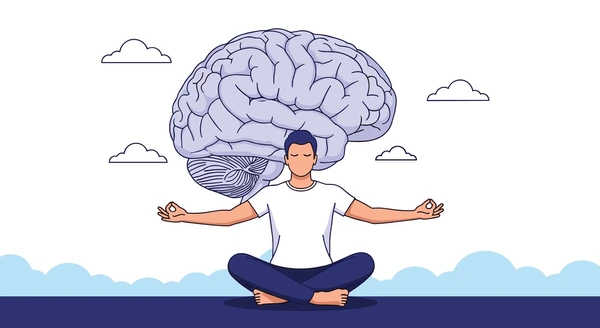
The good news? Science shows your brain is highly adaptable. With the right habits, you can sharpen your mind at any stage of life.
1. Feed Your Brain with the Right Foods
Your brain uses about 20% of your body’s energy, so what you eat truly matters. Research consistently links brain health to nutrient-dense, anti-inflammatory foods.
Brain-boosting foods include:
- Fatty fish (salmon, sardines) for omega-3s
- Blueberries and strawberries for antioxidants
- Leafy greens like spinach and kale
- Nuts and seeds
- Olive oil
Studies on the Mediterranean diet show improved memory, focus, and cognitive flexibility—key components of critical thinking.
2. Exercise Regularly to Grow New Brain Cells
Physical activity doesn’t just strengthen muscles—it strengthens the brain. Exercise increases blood flow, oxygen delivery, and brain-derived neurotrophic factor (BDNF), which supports learning and memory.
Best options:
- Brisk walking
- Strength training
- Yoga
- Swimming
Just 30 minutes a day can improve attention, processing speed, and reasoning skills.
3. Prioritize Sleep for Clear Thinking
Lack of sleep impairs focus, logic, and decision-making. During deep sleep, your brain clears waste proteins and consolidates memories.
Research shows adults who get 7–9 hours of sleep perform better in problem-solving and critical analysis.
Sleep tips:
- Keep a consistent bedtime
- Limit screens before bed
- Create a dark, quiet sleep environment
4. Challenge Your Brain Daily
Your brain thrives on novelty and challenge. Activities that force you to think differently improve mental flexibility.
Try:
- Learning a new skill or language
- Playing strategy games
- Reading outside your comfort zone
- Writing or journaling
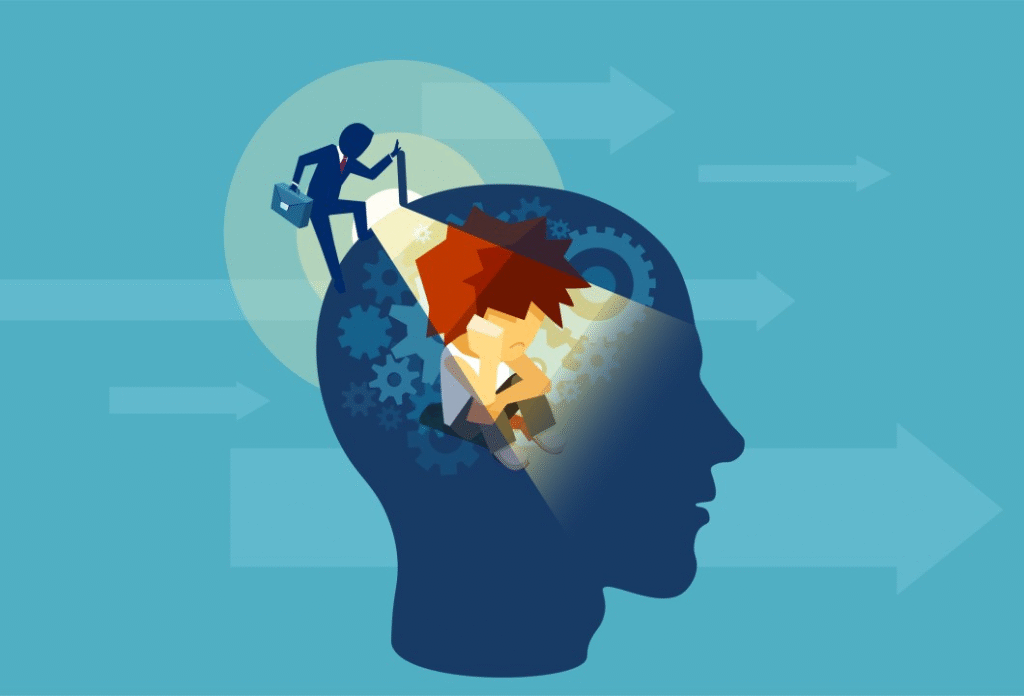
The goal is active thinking, not passive scrolling.
5. Practice Mindfulness and Deep Focus
Mindfulness meditation has been shown to improve attention, working memory, and emotional regulation—key for logical thinking.
Even 10 minutes a day can help:
- Reduce mental clutter
- Improve concentration
- Strengthen reasoning abilities
This is especially useful in high-stress environments common across American workplaces.
6. Stay Social and Have Meaningful Conversations
Strong social connections protect brain health and reduce cognitive decline. Engaging conversations challenge your thinking and expose you to new perspectives.
Make time for:
- Discussions with friends
- Group activities
- Community involvement
Debating ideas respectfully is one of the best workouts for your brain.
7. Manage Stress Before It Shrinks Your Brain
Chronic stress increases cortisol, which negatively affects memory and decision-making.
Effective stress-management tools include:
- Exercise
- Deep breathing
- Time in nature
- Limiting information overload
A calmer brain is a clearer, sharper brain.
8. Limit Ultra-Processed Foods and Alcohol
Highly processed foods and excessive alcohol are linked to brain inflammation and cognitive decline.
Aim for:
- Whole foods
- Balanced meals
- Moderate alcohol intake
Your brain performs best when your body is well-nourished.
9. Stay Curious and Question Information
Critical thinking isn’t just about memory—it’s about analysis. Practice questioning sources, checking evidence, and thinking independently.
Ask yourself:
- Is this information credible?
- What’s the evidence?
- Are there alternative viewpoints?
This habit strengthens reasoning and protects against misinformation.
Final Thoughts
Keeping your brain sharp isn’t about one magic trick—it’s about daily habits that support learning, focus, and flexibility. Eating well, moving your body, sleeping enough, managing stress, and staying mentally curious all work together to protect and strengthen your mind.
The best time to invest in brain health is now.
Your future self will think you for it. 🧠✨