In a culture that often glorifies busyness, travel is sometimes viewed as a luxury rather than a necessity. But scientific research increasingly suggests that travel is more than recreation—it is a powerful tool for improving both physical and mental health.
For millions of Americans navigating work stress, screen overload, and daily pressures, stepping away from routine may be one of the healthiest decisions you can make.
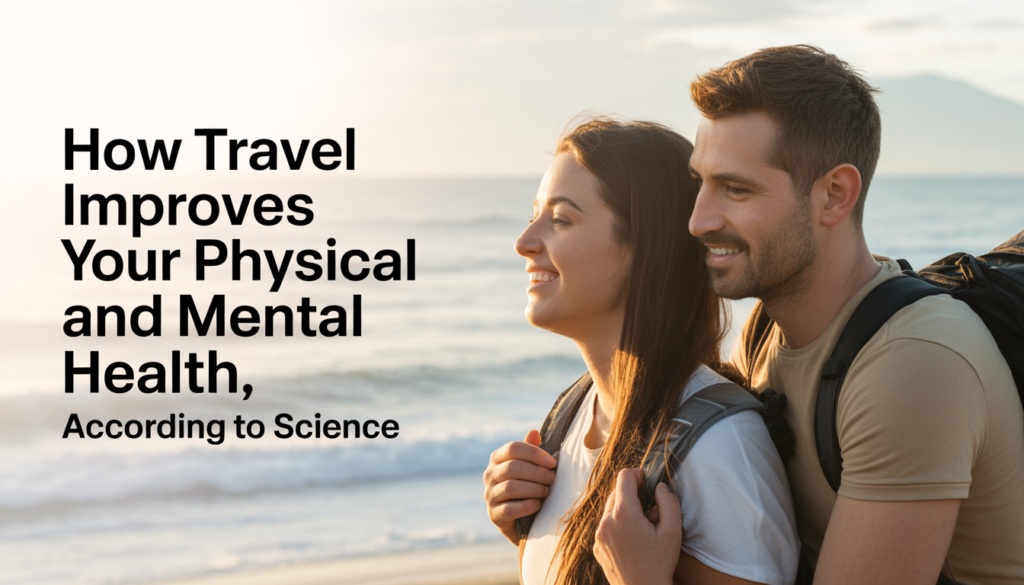
Let’s explore how travel improves your physical and mental health, according to science—and why it matters in the United States today.
1. Travel Reduces Stress Hormones
Chronic stress elevates cortisol, the body’s primary stress hormone. Persistently high cortisol levels are associated with:
- High blood pressure
- Weakened immune function
- Weight gain
- Anxiety and sleep disruption
Research shows that vacations significantly reduce perceived stress and improve mood. Even short trips can lower tension and allow the nervous system to reset.
When you step away from deadlines and digital notifications, your body shifts from “fight-or-flight” mode into a more restorative state.
2. Travel Supports Heart Health
Cardiovascular disease remains a leading health concern in the United States. Studies have found that regular vacations are linked to lower risk of heart disease.
Possible reasons include:
- Reduced stress
- Increased physical activity
- Improved sleep
- Enhanced social connection
Travel often encourages walking, hiking, swimming, and exploring—natural forms of movement that support heart health.
3. Exposure to Nature Improves Mental Clarity
Whether visiting national parks, beaches, or mountains, nature exposure has measurable psychological benefits.
Spending time outdoors can:
- Reduce rumination (repetitive negative thoughts)
- Lower blood pressure
- Improve concentration
- Enhance mood
Natural environments provide a break from urban overstimulation common in many American cities.
4. Travel Boosts Brain Function and Creativity
New environments stimulate neuroplasticity—the brain’s ability to form new connections.
When traveling, you:
- Navigate unfamiliar settings
- Adapt to new cultures
- Learn new information
- Solve unexpected problems
These activities engage cognitive flexibility, improving memory, creativity, and problem-solving skills.
Novel experiences are powerful brain exercises.
5. Travel Enhances Emotional Resilience
Travel doesn’t always go perfectly. Delays, cultural differences, and unexpected changes build adaptability.
Successfully managing these situations:
- Strengthens coping skills
- Increases confidence
- Improves emotional regulation
Over time, this resilience carries into daily life, helping you handle stress more effectively.
6. Strengthening Relationships and Social Bonds
Social connection is one of the strongest predictors of long-term health and longevity.
Traveling with loved ones creates shared experiences that:
- Strengthen communication
- Deepen emotional connection
- Create lasting memories
Even solo travel can enhance social confidence and self-awareness.
7. Improved Sleep Patterns
Travel that includes relaxation, reduced screen time, and outdoor activity often improves sleep quality.
Better sleep supports:
- Hormonal balance
- Immune function
- Mental clarity
- Emotional stability
Since sleep deprivation is common in the U.S., travel can serve as a reset for disrupted sleep habits.
8. Increased Physical Activity Without “Exercise Pressure”
Unlike structured gym routines, travel encourages organic movement:
- Walking through cities
- Exploring museums
- Swimming
- Hiking
This type of enjoyable movement supports metabolic health without feeling forced.
9. Travel Encourages Mindfulness
Travel naturally pulls you into the present moment.
You notice:
- Architecture
- Cultural traditions
- Landscapes
- Local cuisine
This heightened awareness mirrors mindfulness practices shown to reduce anxiety and depressive symptoms.
Being present is restorative.
10. Anticipation Boosts Happiness
Interestingly, the mental health benefits of travel begin before departure.
Planning a trip activates reward centers in the brain, increasing positive emotions. Anticipation itself enhances life satisfaction.
In high-pressure environments, having something meaningful to look forward to can significantly improve overall well-being.
Travel and the American Lifestyle
In the United States, work demands and limited paid leave can make travel feel difficult. However, travel does not need to be international or expensive.
Healthy travel can include:
- Weekend road trips
- Visiting nearby state parks
- Exploring historic towns
- Camping or beach retreats
Even brief breaks from routine can provide measurable benefits.
Is Travel a Replacement for Mental Health Treatment?
Travel can improve well-being, but it is not a substitute for professional mental health care. Individuals experiencing severe depression, anxiety, or other conditions should seek appropriate medical support.
Travel is best viewed as a complementary wellness strategy.
Practical Tips for Health-Focused Travel
To maximize benefits:
- Disconnect from work emails
- Prioritize sleep
- Stay hydrated
- Include light physical activity
- Balance sightseeing with rest
Intentional travel enhances its positive impact.
How does travel improve physical and mental health, according to science? By lowering stress, supporting heart health, stimulating brain function, strengthening relationships, and promoting emotional resilience.
In a fast-paced American society, travel is more than escape—it’s restoration.
When you step outside your daily environment, you give your body and mind the opportunity to reset, recharge, and grow.
Investing in experiences isn’t indulgence—it’s preventive health care.
Your well-being deserves the journey.