
Aging is a natural part of life, but how we age depends greatly on the lifestyle choices we make. In the United States, adults over 50 represent a rapidly growing population, and maintaining good health during these years is essential for independence, mobility, and quality of life.
Healthy aging does not mean avoiding aging altogether. Instead, it focuses on maintaining physical health, mental well-being, and social engagement as people grow older. Scientific research and public health guidance show that adopting healthy habits—such as balanced nutrition, regular exercise, preventive healthcare, and stress management—can significantly improve longevity and overall wellness.
This article explores practical strategies that Americans over 50 can use to protect their health and age gracefully.
Understanding Healthy Aging
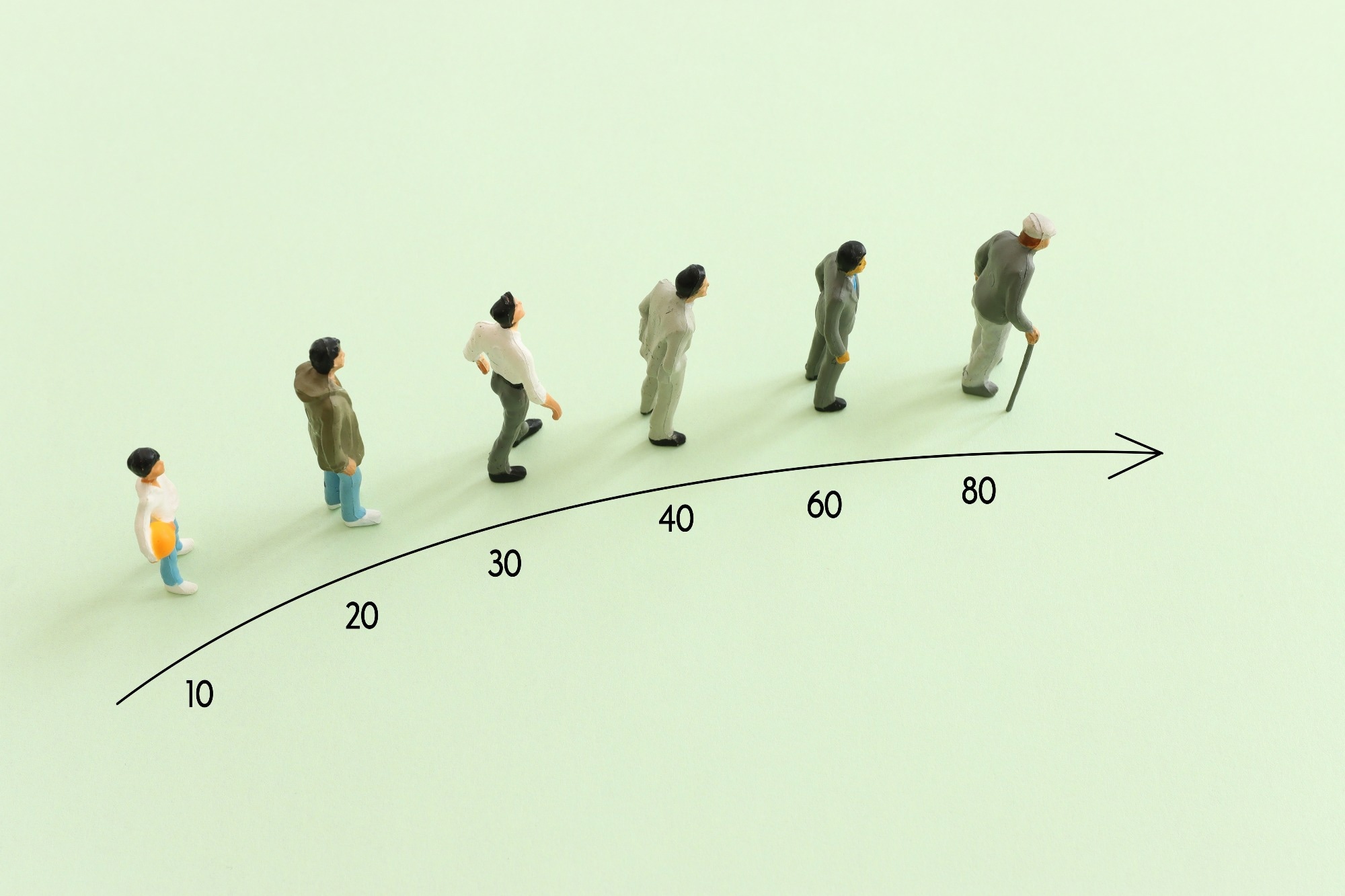
Healthy aging refers to the process of developing and maintaining functional ability that enables well-being in older age. It includes physical health, cognitive ability, emotional stability, and social participation.
As individuals age, the body undergoes natural changes such as:
- Slower metabolism
- Reduced muscle mass
- Changes in bone density
- Hormonal shifts
- Increased risk of chronic diseases
However, many of these effects can be minimized through healthy lifestyle practices and preventive care.
Balanced Nutrition for Adults Over 50
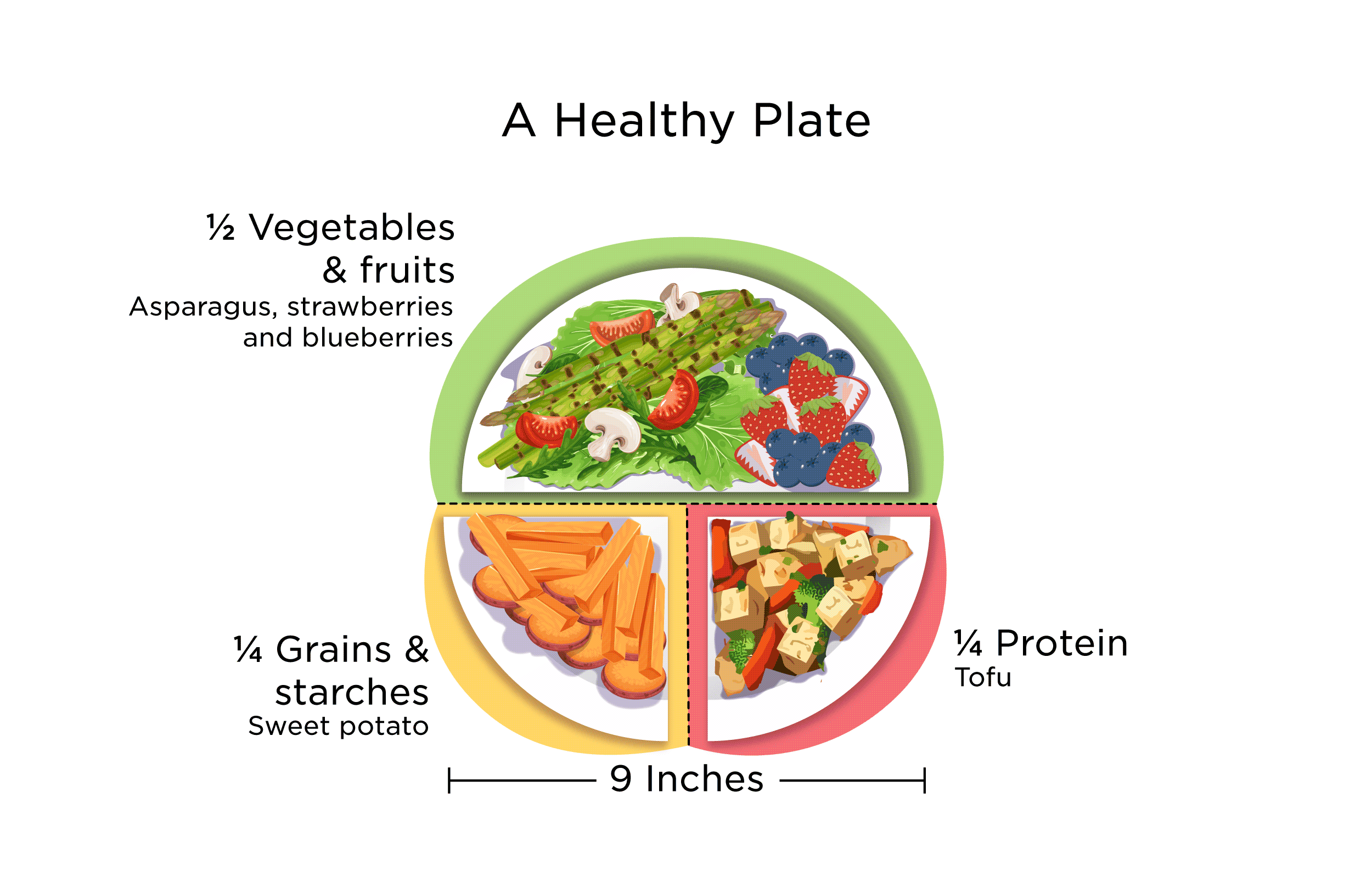
Proper nutrition plays a vital role in maintaining energy levels, preventing disease, and supporting healthy aging.
Focus on Nutrient-Dense Foods
Adults over 50 should prioritize foods rich in vitamins, minerals, and fiber, including:
- Fresh fruits and vegetables
- Whole grains
- Lean proteins such as fish and poultry
- Legumes and beans
- Nuts and seeds
Calcium and Vitamin D for Bone Health
Bone density often declines with age, increasing the risk of osteoporosis. Calcium and vitamin D help maintain strong bones.
Good sources include:
- Dairy products
- Fortified plant-based milk
- Leafy green vegetables
- Fatty fish like salmon
Stay Hydrated
Older adults may experience reduced thirst signals, making hydration important. Drinking sufficient water throughout the day helps support metabolism and overall body function.
The Importance of Regular Physical Activity



Physical activity is one of the most powerful ways to maintain health after age 50.
Health experts recommend at least 150 minutes of moderate physical activity per week.
Cardiovascular Exercise
Activities that improve heart health include:
- Walking
- Cycling
- Swimming
- Dancing
These exercises help maintain cardiovascular fitness and improve energy levels.
Strength Training
Strength training helps prevent muscle loss and improves balance.
Examples include:
- Light weightlifting
- Resistance band exercises
- Bodyweight exercises such as squats
Maintaining muscle mass supports metabolism and reduces fall risk.
Flexibility and Balance
Exercises like yoga and stretching improve flexibility and help prevent injuries.
Balance exercises are particularly important for reducing the risk of falls.
Protecting Mental and Cognitive Health



Mental well-being is a key component of healthy aging.
Keep the Brain Active
Engaging in mentally stimulating activities helps maintain cognitive function.
Examples include:
- Reading
- Puzzles and games
- Learning new skills
- Educational courses
Maintain Social Connections
Strong social relationships improve emotional well-being and reduce feelings of isolation.
Older adults benefit from staying connected with:
- Family and friends
- Community groups
- Volunteer organizations
Practice Stress Management
Mindfulness, meditation, and relaxation techniques can reduce stress and improve emotional balance.
Preventive Healthcare and Screenings


Preventive healthcare plays an essential role in maintaining health after age 50.
Regular checkups allow early detection of potential health issues.
Important screenings may include:
- Blood pressure checks
- Cholesterol tests
- Diabetes screening
- Cancer screenings such as colonoscopy or mammography
Vaccinations, including flu and pneumonia vaccines, may also be recommended.
Healthy Lifestyle Habits for Aging Well

Simple lifestyle habits can greatly influence how people age.
Prioritize Sleep
Quality sleep supports brain function, immunity, and overall well-being.
Avoid Smoking and Limit Alcohol
Reducing harmful habits helps protect heart and lung health.
Maintain a Healthy Weight
Balanced nutrition and physical activity help maintain a healthy body composition.
Stay Engaged and Positive
Maintaining hobbies and meaningful activities supports emotional well-being.
Healthy aging is not about avoiding age—it is about maintaining vitality, independence, and well-being throughout life. By focusing on balanced nutrition, regular exercise, mental stimulation, preventive healthcare, and positive lifestyle habits, Americans over 50 can significantly improve their quality of life.
Small daily actions—such as walking regularly, eating nutritious foods, staying socially connected, and scheduling regular medical checkups—can make a powerful difference in long-term health.
Aging is inevitable, but aging healthily is a choice supported by informed lifestyle decisions and proactive healthcare.