
Improving quality of life is a key goal of modern healthcare in the United States. Millions of Americans live with physical or mental impairments that affect daily functioning, independence, and overall well-being. However, with proper medical care, rehabilitation, and supportive services, individuals can manage these challenges and lead fulfilling lives.

According to the Centers for Disease Control and Prevention, more than one in four adults in the United States lives with some form of disability. These impairments may affect mobility, cognition, emotional health, or sensory abilities, making comprehensive care essential for maintaining a high quality of life.
This guide explores how physical and mental impairments affect daily living and what strategies, treatments, and support systems can help improve well-being.
Understanding Physical and Mental Impairments

Physical and mental impairments refer to conditions that limit a person’s ability to perform everyday activities. These conditions may be temporary, long-term, or permanent.
Physical Impairments
Physical impairments affect the body’s movement, strength, or coordination. Common examples include:
- Mobility limitations
- Chronic pain conditions
- Musculoskeletal injuries
- Neurological disorders
- Vision or hearing loss
These conditions can make tasks such as walking, working, or self-care more challenging.
Mental and Cognitive Impairments
Mental impairments affect emotional well-being, thinking processes, or behavior.
Common conditions include:
- Depression
- Anxiety disorders
- Cognitive decline
- Memory disorders
- Developmental disabilities
Organizations such as the National Institute of Mental Health emphasize that mental health is just as important as physical health for maintaining quality of life.
Common Causes of Physical and Mental Impairments
Several factors can contribute to impairments that affect daily living.
Chronic Diseases
Conditions such as heart disease, diabetes, and arthritis can gradually reduce mobility, energy levels, and overall physical function.
Injuries and Accidents
Serious injuries from accidents or falls may lead to long-term disabilities requiring rehabilitation and medical treatment.
Aging
As individuals age, natural changes in the body may increase the risk of mobility limitations, hearing loss, and cognitive decline.
Mental Health Disorders
Untreated mental health conditions can interfere with relationships, employment, and daily responsibilities.
Neurological Conditions
Disorders affecting the brain or nervous system can cause both physical and cognitive challenges.
The Importance of Early Diagnosis and Intervention
Early diagnosis plays a critical role in managing impairments effectively.
Healthcare providers often recommend:
- Preventive health screenings
- Regular medical checkups
- Early rehabilitation programs
- Mental health assessments
Early treatment can slow disease progression, reduce complications, and improve independence.
Medical and Rehabilitation Treatments
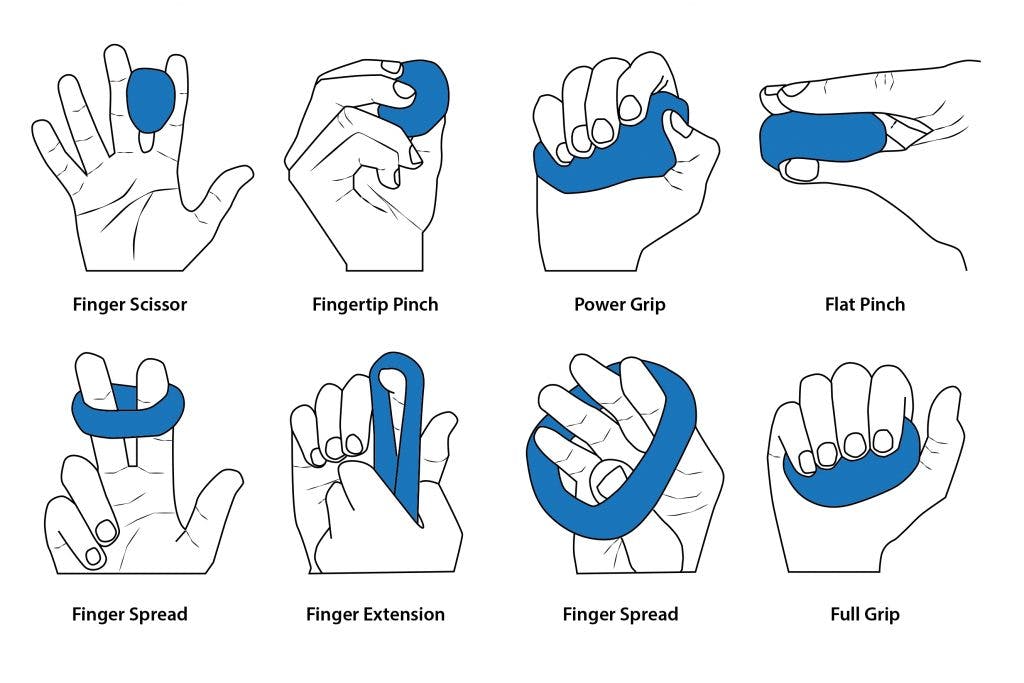
Modern healthcare offers several treatments designed to improve functional ability and well-being.

Physical Therapy
Physical therapy helps patients restore strength, mobility, and balance after injury or illness.
Common goals include:
- Improving movement
- Reducing pain
- Preventing further injury
- Increasing independence
Occupational Therapy
Occupational therapy focuses on helping individuals perform everyday activities such as dressing, cooking, or working.
Therapists may recommend assistive devices or adaptive strategies to support independence.
Mental Health Counseling
Therapy and counseling help individuals cope with emotional challenges and develop healthy coping strategies.
Treatment options may include:
- Cognitive behavioral therapy (CBT)
- Stress management techniques
- Medication when necessary
Lifestyle Strategies to Improve Quality of Life

In addition to medical care, lifestyle changes can significantly improve both physical and mental health.
Regular Physical Activity

Exercise helps improve mobility, reduce stress, and strengthen the body.
Activities such as walking, stretching, swimming, and yoga can support both physical and emotional health.
Balanced Nutrition
A nutritious diet supports brain health, muscle strength, and energy levels.
Healthy eating habits may help manage chronic conditions and improve overall vitality.
Mental Wellness Practices
Mindfulness practices such as meditation and relaxation techniques can reduce stress and enhance emotional well-being.
Social Support
Maintaining strong relationships with friends, family, and community members helps reduce isolation and promotes emotional resilience.
Community Support and Accessibility Services
Support services play an essential role in improving quality of life for individuals with impairments.
Programs in the United States may include:
- Disability support services
- Rehabilitation programs
- Community mental health clinics
- Assistive technology programs
- Support groups and counseling services
These resources help individuals remain active members of their communities.
The Role of Preventive Healthcare
Preventive healthcare helps reduce the risk of developing severe impairments later in life.
Preventive measures include:
- Routine health screenings
- Vaccinations
- Mental health evaluations
- Healthy lifestyle choices
Healthcare providers encourage Americans to schedule regular checkups to monitor both physical and mental health.
Building an Inclusive and Supportive Society
Improving quality of life for people with impairments also requires broader social support.
Communities can help by promoting:
- Accessible public spaces
- Inclusive workplaces
- Mental health awareness programs
- Disability education and advocacy
Creating supportive environments allows individuals with impairments to participate fully in society.
Addressing physical and mental impairments is essential for improving quality of life in the United States. Through early diagnosis, effective medical treatment, rehabilitation services, and supportive communities, individuals can overcome many challenges associated with disabilities.
By prioritizing both physical health and mental well-being, Americans can work toward a healthier, more inclusive society where everyone has the opportunity to live a fulfilling and productive life.