Specialized Care for Recovery in the United States
Substance use disorder remains a major public health challenge across the United States. Millions of Americans struggle with addiction to alcohol, opioids, stimulants, and other substances. Recovery is possible, but it often requires professional treatment, structured support, and specialized care.
Choosing the right drug and rehabilitation center can make a significant difference in recovery outcomes. The best facilities provide evidence-based therapies, personalized treatment plans, and compassionate care designed to help individuals rebuild their lives.
According to the Substance Abuse and Mental Health Services Administration, effective addiction treatment must address not only substance use but also mental, emotional, and social factors that contribute to addiction.
This guide explores what makes the best drug and rehabilitation centers stand out and how specialized care supports long-term recovery.
Understanding Addiction and the Need for Professional Treatment

Addiction is a chronic but treatable medical condition that affects brain chemistry and behavior. It can impact every aspect of life, including physical health, relationships, employment, and mental well-being.
Common substances associated with addiction include:
- Alcohol
- Prescription opioids
- Heroin
- Cocaine
- Methamphetamine
- Sedatives and benzodiazepines
The National Institute on Drug Abuse emphasizes that comprehensive treatment programs significantly increase the chances of successful recovery.
Key Features of the Best Drug and Rehabilitation Centers
The most effective rehabilitation centers share several important characteristics that support safe and sustainable recovery.
1. Personalized Treatment Plans
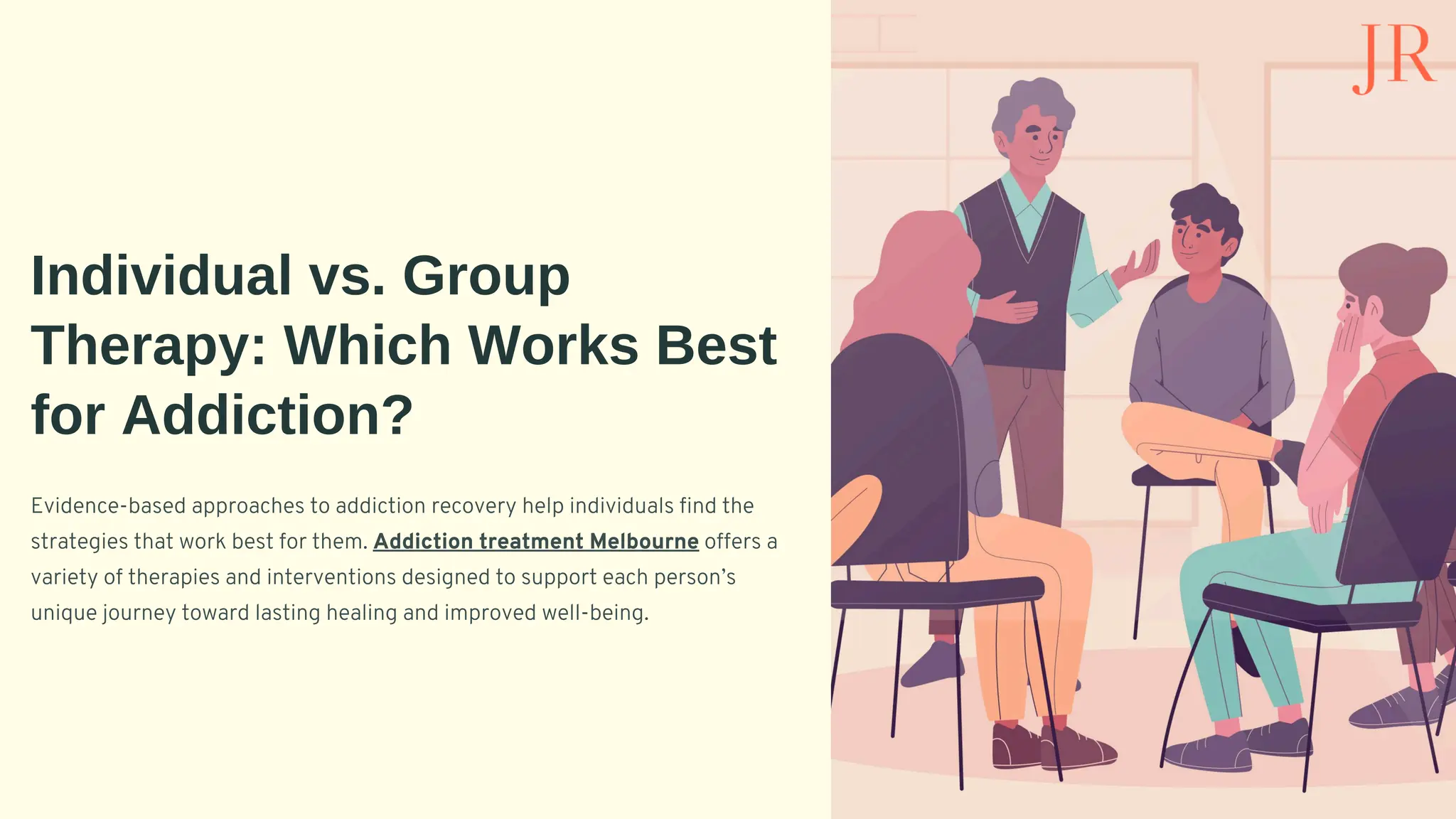
Every person’s addiction experience is unique. The best rehab centers develop individualized treatment plans tailored to each patient’s needs.
Personalized treatment may consider:
- Type of substance used
- Duration and severity of addiction
- Physical and mental health conditions
- Personal history and trauma
- Family and social environment
Individualized care increases treatment effectiveness and supports long-term recovery success.
2. Medically Supervised Detox Programs
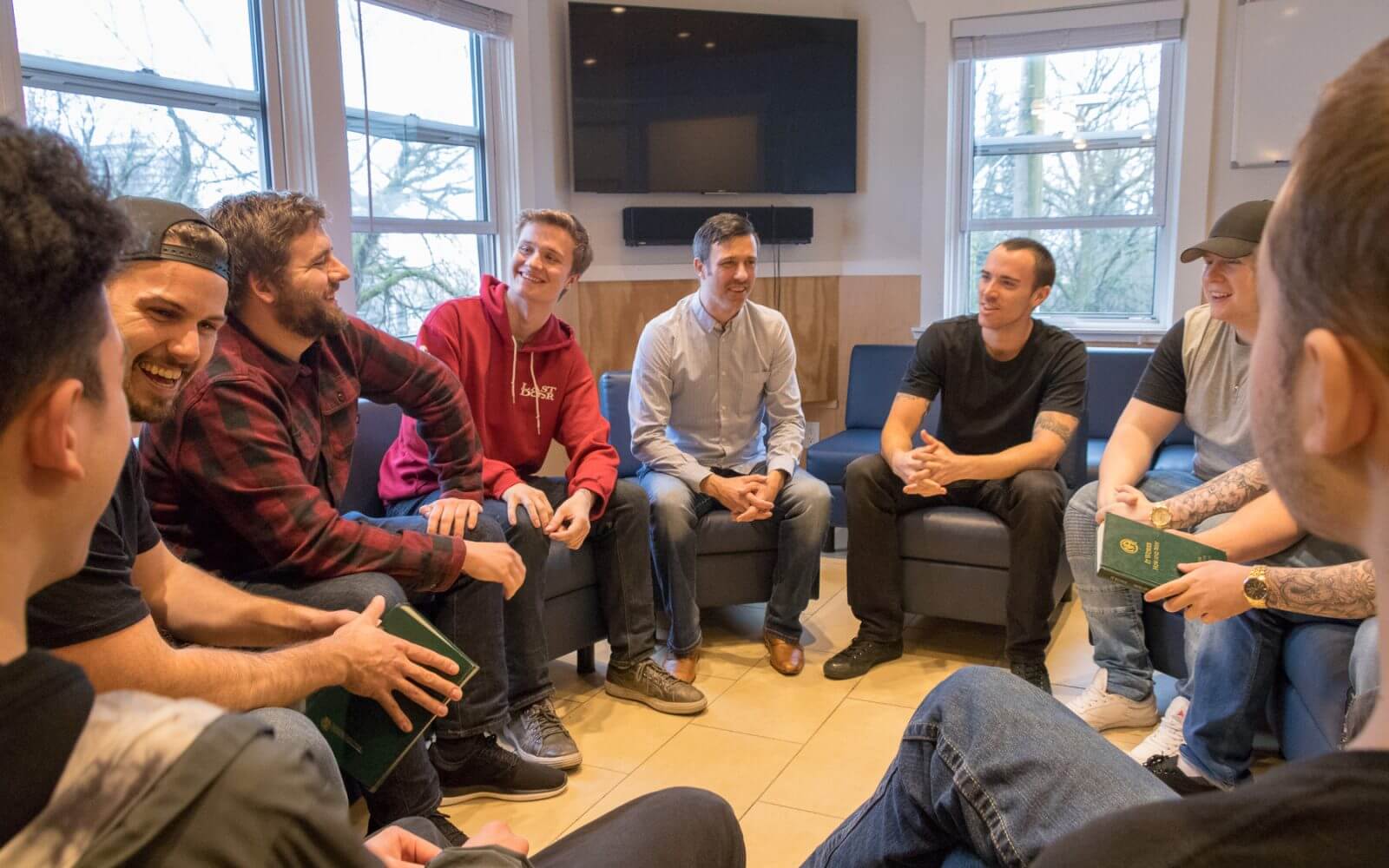
Detoxification is often the first step in addiction recovery. During detox, the body eliminates harmful substances while medical professionals monitor withdrawal symptoms.
Quality rehab centers offer:
- 24/7 medical supervision
- Medication-assisted treatment when necessary
- Safe withdrawal management
- Emotional support during detox
Medical detox helps ensure patient safety and reduces the risk of complications.
3. Evidence-Based Therapy and Counseling


Successful addiction treatment addresses both physical dependence and psychological factors.
Top rehabilitation centers provide evidence-based therapies, such as:
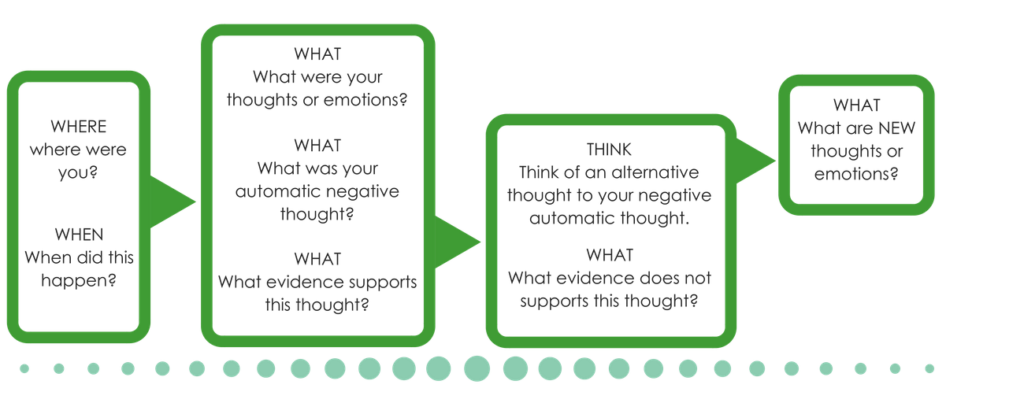
- Cognitive Behavioral Therapy (CBT)
- Motivational Interviewing
- Dialectical Behavior Therapy
- Trauma-informed therapy
These therapies help patients:
- Identify triggers
- Develop healthy coping strategies
- Rebuild self-confidence
- Prevent relapse

4. Dual Diagnosis Treatment for Mental Health
Many individuals struggling with addiction also experience co-occurring mental health conditions, such as depression, anxiety, or post-traumatic stress disorder.
The American Psychiatric Association highlights the importance of treating both addiction and mental health conditions simultaneously.
Top rehab centers offer dual diagnosis programs that address:
- Substance use disorders
- Mental health disorders
- Emotional trauma
Integrated treatment improves long-term recovery outcomes.

5. Holistic and Wellness-Based Therapies

Many leading rehabilitation programs include holistic therapies that support overall well-being.
Examples include:
- Yoga and mindfulness meditation
- Art or music therapy
- Fitness programs
- Nutritional counseling
- Stress management training
These approaches help patients restore physical and emotional balance during recovery.
6. Family Involvement and Support Programs
Addiction often affects the entire family. The best rehab centers provide family therapy and education programs.
Family support services may include:
- Counseling sessions
- Family workshops
- Communication skill development
- Guidance for rebuilding trust
Strong family involvement can improve recovery success and strengthen support systems.
7. Aftercare and Relapse Prevention Programs
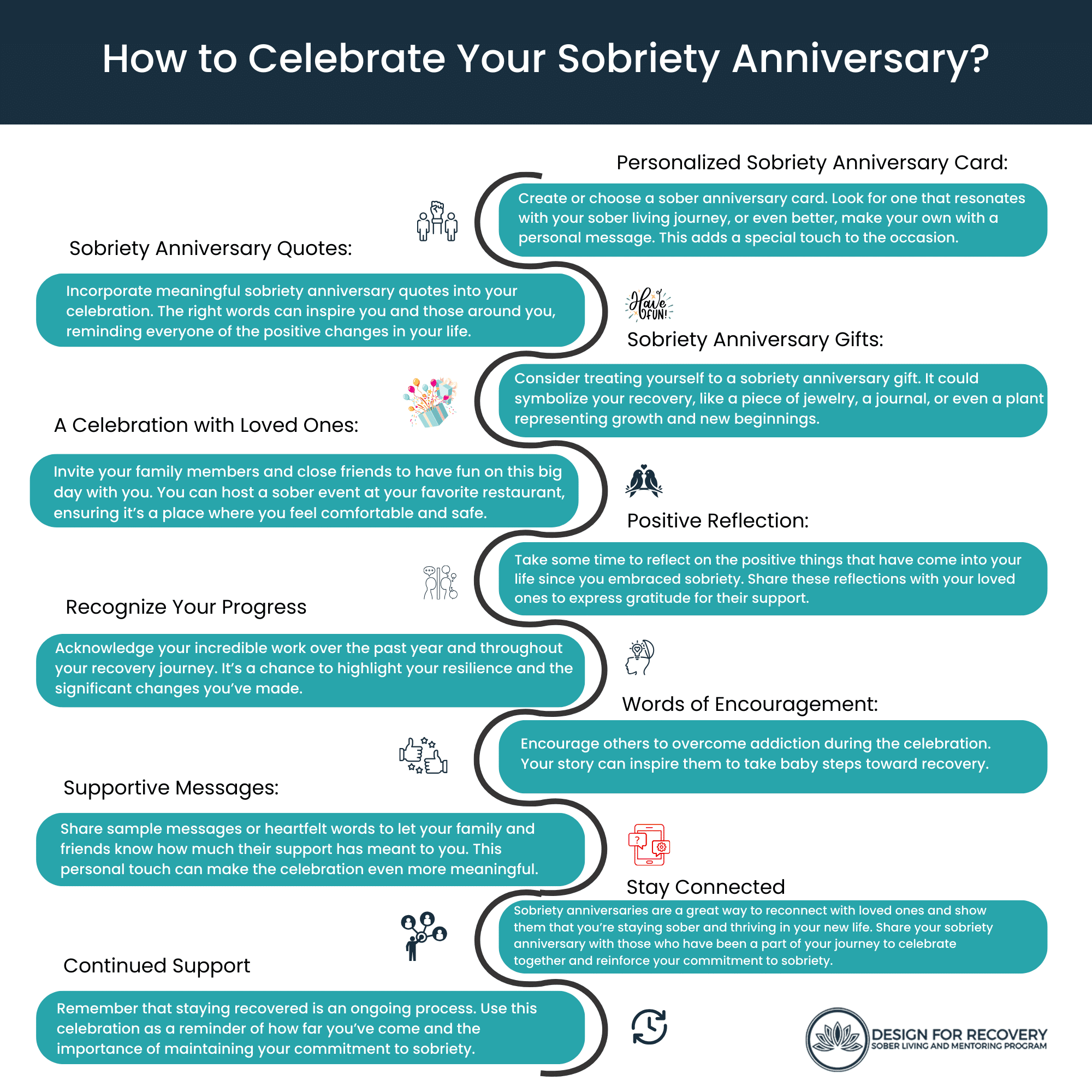
Recovery does not end when a treatment program finishes. Long-term success requires ongoing support.
Top rehabilitation centers provide aftercare services, including:
- Continued therapy sessions
- Support groups
- Sober living arrangements
- Relapse prevention planning
These programs help individuals maintain sobriety and build healthy lifestyles after treatment.
Why Quality Rehabilitation Centers Matter
Choosing a high-quality treatment facility can significantly impact recovery outcomes.
Effective rehab centers offer:
- Professional medical care
- Structured treatment programs
- Emotional and psychological support
- Safe recovery environments
- Long-term recovery planning
With the right support system, individuals can successfully overcome addiction and rebuild meaningful lives.
How to Choose the Right Rehabilitation Center
When evaluating rehabilitation centers, consider the following factors:
- Accreditation and licensing
- Qualified medical and mental health professionals
- Evidence-based treatment methods
- Comprehensive detox and therapy programs
- Strong aftercare services
Researching facilities carefully helps ensure the best possible recovery experience.
Addiction recovery is a challenging journey, but with the right treatment and support, lasting change is possible. The best drug and rehabilitation centers stand out by providing personalized care, medical expertise, evidence-based therapy, and long-term recovery support.
Specialized treatment programs help individuals address the underlying causes of addiction while building the skills needed to live healthier, substance-free lives.
Seeking help is the first and most important step toward recovery—and with the right rehabilitation center, a brighter and healthier future is within reach.