Men in the United States are statistically less likely than women to visit a doctor regularly—yet they face higher rates of heart disease, certain cancers, and preventable health risks. Raising awareness about common conditions and recognizing early warning signs can dramatically improve long-term outcomes.
According to the Centers for Disease Control and Prevention, many leading causes of death among American men are preventable with early detection, lifestyle changes, and regular screenings.
This comprehensive, science-backed guide covers the most common health conditions affecting men in the U.S. and the early symptoms you should never ignore.
Why Men’s Health Awareness Matters

Many men delay care due to:
- Busy work schedules
- Fear of diagnosis
- Cultural expectations around toughness
- Underestimating symptoms
Early detection can mean simpler treatment, fewer complications, and longer life expectancy.
1. Heart Disease (Leading Cause of Death in U.S. Men)
The American Heart Association reports that cardiovascular disease remains the number one killer of American men.
Early Warning Signs:
- Chest discomfort or pressure
- Shortness of breath
- Fatigue with minimal activity
- Pain in arm, jaw, or back
- Irregular heartbeat
Risk Factors:
- High blood pressure
- High cholesterol
- Smoking
- Obesity
- Diabetes
Routine blood pressure and cholesterol screenings are essential.
2. Prostate Health Issues

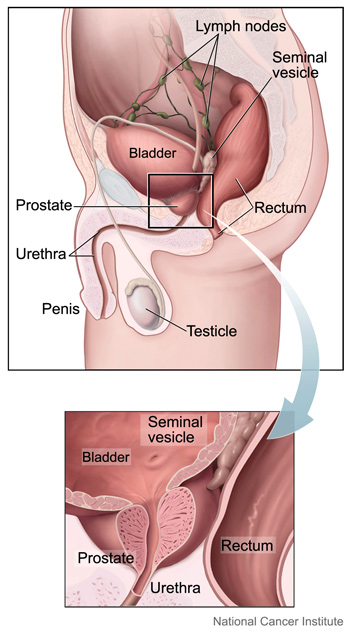
Prostate conditions become more common after age 50.
The American Cancer Society recommends discussing prostate cancer screening with your doctor starting at age 50 (earlier if high risk).
Early Warning Signs:
- Frequent urination (especially at night)
- Weak urine stream
- Blood in urine
- Pelvic discomfort
Not all symptoms mean cancer—but they should be evaluated.
3. Type 2 Diabetes
Diabetes rates continue to rise in the United States.
Early Warning Signs:
- Increased thirst
- Frequent urination
- Blurred vision
- Slow-healing wounds
- Fatigue
Men who are overweight or have a family history should consider early screening.
4. Mental Health Conditions
Mental health awareness among men is critically important.
Depression and anxiety often go undiagnosed because symptoms may appear as:
- Irritability
- Anger
- Social withdrawal
- Risk-taking behavior
- Substance misuse
The National Institute of Mental Health emphasizes that mental health conditions are treatable and early intervention improves outcomes.
If you or someone you know is in crisis, call or text 988 in the U.S. for immediate support.
5. Colorectal Cancer
Colorectal cancer affects both men and women but remains a major concern.
Early Warning Signs:
- Blood in stool
- Persistent abdominal pain
- Changes in bowel habits
- Unexplained weight loss
Screening typically begins at age 45 in the United States.
6. Lung Disease and Smoking-Related Illness
Smoking remains a leading preventable cause of death.
Warning Signs:
- Chronic cough
- Shortness of breath
- Wheezing
- Chest pain
Men with a history of heavy smoking may qualify for lung cancer screening.
7. Testosterone Imbalance
Low testosterone can affect energy and mood.
Possible Symptoms:
- Low libido
- Fatigue
- Reduced muscle mass
- Mood changes
- Sleep disturbances
Blood tests can determine hormone levels if symptoms are present.
Preventive Screenings Men Should Not Miss
✔ Blood pressure check (at least yearly)
✔ Cholesterol screening
✔ Blood sugar test
✔ Prostate screening discussion
✔ Colon cancer screening (age 45+)
✔ Skin exam (especially with high sun exposure)
✔ Mental health check-in
Preventive care is often covered by most U.S. health insurance plans.
Lifestyle Habits That Protect Men’s Health

Healthy habits reduce disease risk:
✔ Regular exercise (150 minutes per week)
✔ Balanced diet rich in vegetables and lean protein
✔ Quality sleep (7–9 hours)
✔ Stress management
✔ Avoid tobacco
✔ Moderate alcohol intake
Small changes lead to long-term protection.
When to See a Doctor Immediately
Seek urgent medical care if you experience:
- Severe chest pain
- Sudden shortness of breath
- Signs of stroke (face drooping, arm weakness, speech difficulty)
- Suicidal thoughts
- Severe abdominal pain
Early action saves lives.
Breaking the Stigma Around Men’s Health
Men’s health awareness is about strength—not weakness. Taking care of your health ensures you can continue showing up for your career, family, and goals.
Preventive care isn’t just about living longer—it’s about living better.
Final Thoughts: Prioritize Prevention
In the United States, many serious conditions affecting men are preventable or manageable with early detection.
Remember:
✔ Know your family history
✔ Schedule routine screenings
✔ Pay attention to early warning signs
✔ Don’t ignore mental health
✔ Make lifestyle changes early
Your health is your greatest asset. Protect it.