Strong bones and good mobility aren’t just concerns for older adults—they’re essential at every stage of life. Whether you’re sitting at a desk all day, staying active with workouts, or simply trying to age well, bone health and mobility work together to keep you moving safely and independently.
The good news? Research shows that small, consistent habits can protect your bones, improve joint movement, and reduce the risk of fractures and falls.
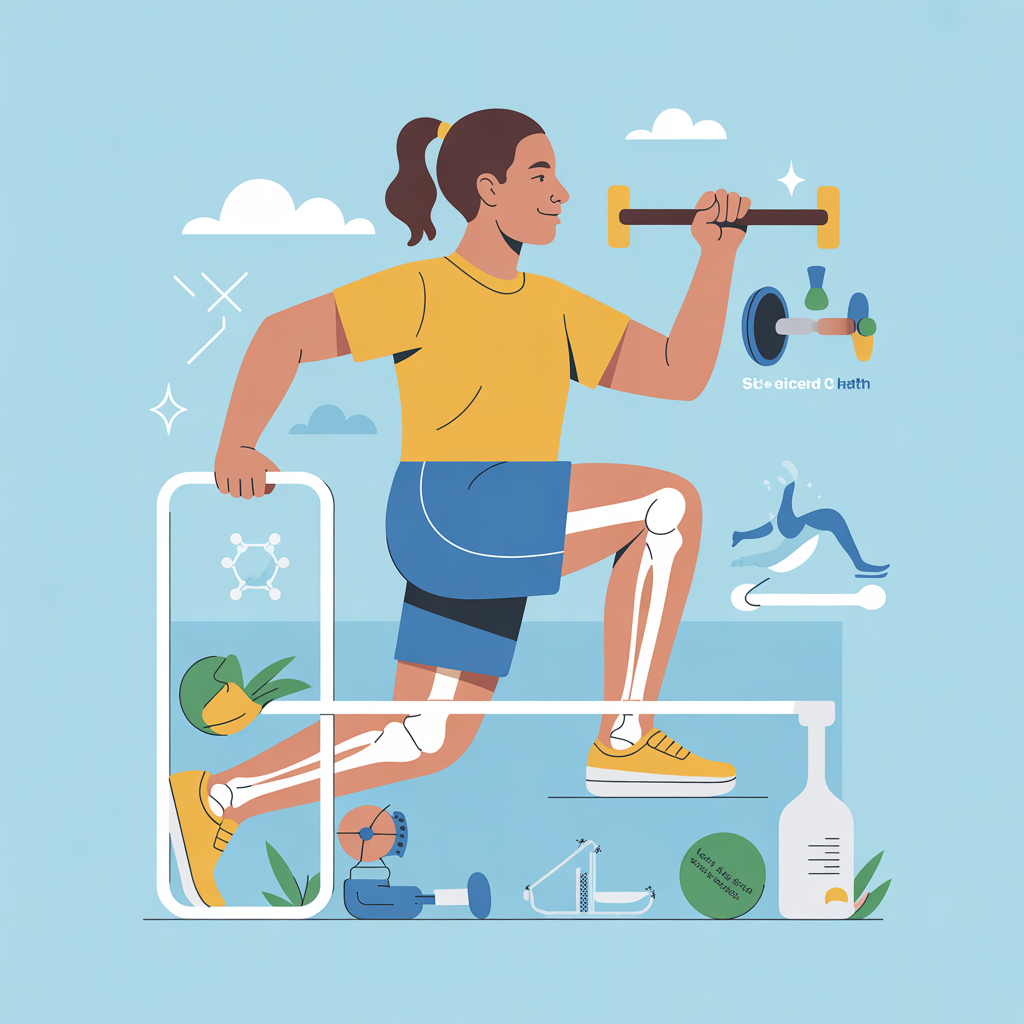
Why Mobility and Bone Health Matter
Bones provide structure and protection, while mobility keeps joints flexible and muscles strong. When either one declines, everyday activities—walking, bending, climbing stairs—become harder.
Poor bone health can lead to:
- Osteoporosis
- Fractures
- Loss of independence
Reduced mobility can increase:
- Fall risk
- Joint stiffness
- Chronic pain
Together, they shape your long-term quality of life.
1. Weight-Bearing Exercise Builds Strong Bones
Scientific studies consistently show that weight-bearing activities stimulate bone growth.
Best options include:
- Walking or hiking
- Stair climbing
- Light jogging
- Dancing
- Strength training
Aim for at least 150 minutes of moderate physical activity per week, as recommended in U.S. health guidelines.
2. Strength Training Protects Joints and Improves Balance
Muscles support bones. Strong muscles help absorb impact and protect joints.
Try:
- Bodyweight exercises (squats, lunges, pushups)
- Resistance bands
- Light dumbbells
Strength training 2–3 times per week improves posture, balance, and bone density.
3. Daily Mobility Exercises Keep Joints Flexible
Mobility work keeps joints moving through their natural range of motion.
Helpful practices include:
- Gentle stretching
- Yoga or Pilates
- Dynamic warm-ups
- Joint rotations
Just 5–10 minutes a day can reduce stiffness and improve movement quality.
4. Calcium and Vitamin D Are Non-Negotiable
Nutrition plays a major role in bone health.
Bone-supporting nutrients:
- Calcium (milk, yogurt, leafy greens, fortified foods)
- Vitamin D (sunlight, fatty fish, fortified milk)
- Magnesium and vitamin K (nuts, seeds, vegetables)
Adults in the U.S. often fall short on vitamin D, making awareness especially important.
5. Posture and Sitting Habits Matter More Than You Think
Long hours of sitting can weaken muscles and reduce joint mobility.
Simple fixes:
- Stand and stretch every 30–60 minutes
- Sit with feet flat and shoulders relaxed
- Use ergonomic chairs or lumbar support
Good posture reduces strain on bones and joints.
6. Fall Prevention Is Bone Protection
Falls are a leading cause of fractures, especially among older adults.
Reduce risk by:
- Improving balance with exercises like single-leg stands
- Keeping walkways clutter-free
- Wearing supportive footwear
- Ensuring good lighting at home
Prevention is one of the most effective bone-health strategies.
7. Avoid Bone-Weakening Habits
Certain lifestyle choices negatively affect bone density.
Limit:
- Smoking
- Excess alcohol
- Extremely low-calorie diets
Healthy bones need fuel, movement, and oxygen.
8. Bone Health Is a Lifelong Commitment
Bone loss often occurs silently. Regular checkups and bone-density screenings—especially for women over 50 and men over 65—help detect issues early.
Talk to your healthcare provider if you have:
- Family history of osteoporosis
- Frequent fractures
- Long-term steroid use
Mobility and bone health aren’t about extreme workouts or complicated routines. They’re about consistent movement, smart nutrition, and daily awareness.
By staying active, nourishing your body, and protecting your joints, you’re investing in strength, independence, and confidence for years to come.
Your future mobility starts today.