
Weight management isn’t about crash diets, extreme workouts, or chasing the latest trend on social media. According to leading health organizations like the NIDDK and public health experts, long-term weight control is built on realistic habits, balanced nutrition, and consistency.
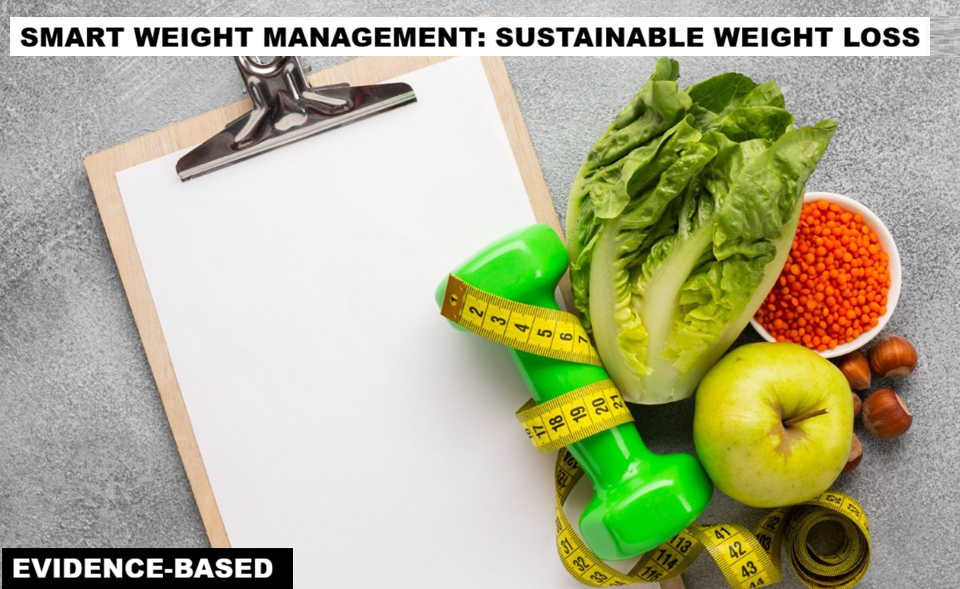
Whether your goal is weight loss, weight maintenance, or overall health improvement, this guide breaks down what actually works—without guilt, gimmicks, or confusion.
What Is Healthy Weight Management?
Healthy weight management focuses on achieving and maintaining a weight that supports:
- Heart health
- Blood sugar control
- Joint health
- Energy levels
- Long-term disease prevention
It’s not about a number on the scale alone. It’s about how you feel, how your body functions, and how sustainable your habits are.
1. Focus on Progress, Not Perfection
One of the biggest myths is that weight loss must be fast to be effective. Research consistently shows that slow, steady weight loss is more sustainable and easier to maintain.
✔ A realistic goal: 1–2 pounds per week
✔ Small changes beat drastic restrictions
✔ Consistency matters more than intensity
Healthy weight management is a marathon—not a sprint.
2. Build Your Plate the Smart Way
Evidence-based nutrition emphasizes balance over elimination.
A healthy plate includes:
- Half vegetables and fruits (fiber + nutrients)
- Lean protein (chicken, fish, eggs, beans)
- Whole grains (brown rice, oats, whole-wheat bread)
- Healthy fats (olive oil, nuts, seeds)
This approach supports fullness, stable blood sugar, and better portion control.
3. Eat for Hunger, Not Just the Clock
Mindful eating is a proven strategy for weight control.
Try this:
- Eat slowly and without distractions
- Stop when comfortably full—not stuffed
- Notice emotional or stress-related eating patterns
Listening to your body helps prevent overeating without strict calorie counting.
4. Move Your Body in Ways You Enjoy
Physical activity is essential—not just for weight loss, but for long-term weight maintenance.
Health experts recommend:
- 150 minutes of moderate activity per week (like brisk walking)
- Strength training at least 2 days a week
The best exercise? One you’ll actually keep doing. Walking, dancing, swimming, cycling, or home workouts all count.
5. Don’t Skip Strength Training
Many people focus only on cardio, but muscle plays a huge role in weight management.
Benefits of strength training:
- Boosts metabolism
- Preserves muscle during weight loss
- Improves body composition
- Supports joint and bone health
You don’t need a gym—bodyweight exercises work too.
6. Sleep and Stress Matter More Than You Think
Lack of sleep and chronic stress can disrupt hunger hormones and increase cravings.
Healthy habits include:
- 7–9 hours of sleep per night
- Stress management through walking, breathing, or mindfulness
Weight management isn’t just about food—it’s about your whole lifestyle.
7. Avoid the “All-or-Nothing” Trap
One high-calorie meal or missed workout does not ruin progress.
Sustainable weight control allows for:
- Occasional treats
- Social meals
- Flexible routines
What matters is what you do most of the time, not once in a while.
8. Track What Works for You
Evidence-based programs often encourage simple tracking to increase awareness.
You might track:
- Meals or portions
- Physical activity
- Sleep
- Weekly progress (not daily scale changes)
Tracking builds accountability—without obsession.
Long-Term Weight Control Is About Habits
Research shows that people who maintain weight loss long-term share common behaviors:
✔ Regular meals
✔ Consistent movement
✔ Self-monitoring
✔ Flexible mindset
✔ Strong routines
No shortcuts—just sustainable systems.
Healthy weight management isn’t about chasing perfection or following extreme rules. It’s about building habits that fit your life, your culture, and your goals.
When nutrition, movement, sleep, and mindset work together, weight control becomes manageable, realistic, and empowering.
Your healthiest weight is the one you can maintain while living well.