Holistic health isn’t just a trend anymore — it’s officially mainstream in America. From mindfulness apps and yoga studios to herbal teas and functional medicine clinics, more people are choosing wellness routines that support the body, mind, and lifestyle as a whole. But what’s driving this shift? And what does “holistic” really mean for the average American trying to stay healthy?
Let’s break it down in a conversational, practical way.
1. Why Americans Are Turning Toward Holistic Wellness
Stress, burnout, long work hours, chronic illness — these aren’t rare in the U.S. anymore. As a result, many people want an approach that goes beyond prescriptions and quick fixes.
Holistic health focuses on:
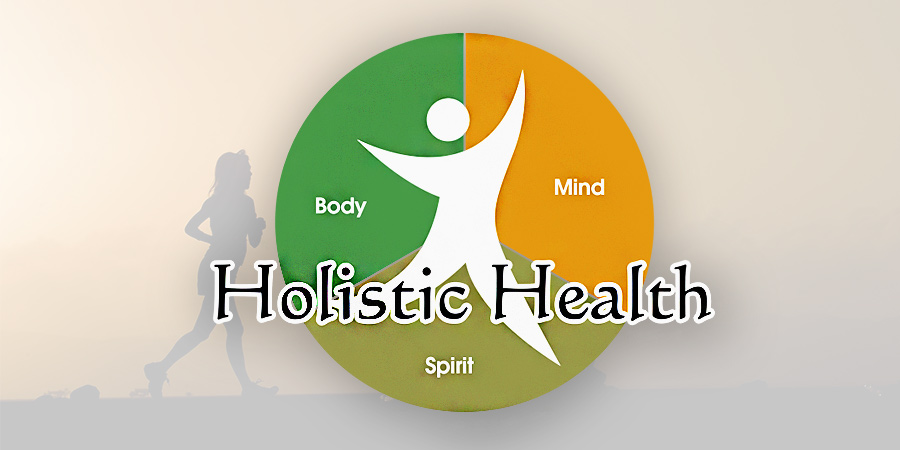
- The whole person (mind, body, emotions, lifestyle habits)
- Root-cause health, not symptom patching
- Daily routines that build long-term resilience
It’s an approach that feels personal, balanced, and realistic.
2. Mindfulness and Mental Health Are Becoming Priorities
From guided meditation apps to breathwork classes, mental health support is now a core part of holistic living. Americans are realizing that stress affects everything — blood pressure, sleep, immunity, digestion, and even mood.
Simple habits like mindful breathing, journaling, and digital detoxing are becoming everyday wellness tools.
3. Natural and Herbal Remedies Are Making a Comeback
Holistic health has revived interest in remedies used for generations, including:
- Turmeric
- Ginger
- Ashwagandha
- Magnesium
- Chamomile
- Probiotics
People want gentle, natural support for anxiety, inflammation, digestion, and sleep — and many Americans prefer trying holistic options before turning to medication.
(Of course, professional medical guidance is still essential.)
4. Functional Nutrition Is Replacing Diet Culture
Instead of restrictive diets, holistic wellness promotes foods that nourish, energize, and heal.
This includes:
- Anti-inflammatory meals
- Plant-based options
- Clean proteins
- Healthy fats
- Fermented foods
- Whole grains
Americans are learning that food isn’t just fuel — it’s medicine.
5. Movement Is Becoming More Mindful
Fitness isn’t just about weight loss anymore. People want movement that feels good.
Popular holistic fitness choices include:
- Yoga
- Pilates
- Tai chi
- Light strength training
- Stretching and mobility
- Outdoor walking
It’s all about long-term health, better posture, joint strength, and stress relief.
6. Holistic Healthcare Providers Are Growing Across the U.S.
Many Americans now seek:
- Functional medicine doctors
- Naturopaths
- Acupuncturists
- Chiropractors
- Integrative nutritionists
These providers combine traditional medical knowledge with lifestyle-focused wellness plans — a balance many people appreciate.
7. Holistic Health Encourages a Lifestyle, Not a Trend
Unlike fad diets or quick fixes, holistic wellness encourages sustainable habits.
It promotes:
- Better sleep
- Balanced nutrition
- Emotional awareness
- Stress management
- Healthy boundaries
- Natural healing practices
In short, it supports a healthier, calmer, more grounded life — something many Americans deeply want.
Final Thoughts
Holistic health is rising because it works with your body, not against it. It prioritizes real-life habits, long-term wellness, and emotional balance — making it one of the most practical and empowering health movements in America today.
If you’re looking to build a healthier, calmer lifestyle, holistic health might be exactly the shift you need.