For years, Americans have heard the same message: “Too much salt raises your blood pressure.” But is it really that simple? Not exactly. While salt does play a major role in blood pressure, there’s a lot more to the story—and understanding the truth can help you make better choices for a healthier heart.
Let’s break it down in a clear, friendly way.
Why Salt Matters for Your Blood Pressure?
Salt (or sodium) is essential for your body. You need it for muscle function, hydration, and nerve signals. The issue isn’t salt itself—it’s the amount most people consume.
In the United States, the average person eats way more sodium than recommended, mostly from restaurant meals, snacks, and processed foods.
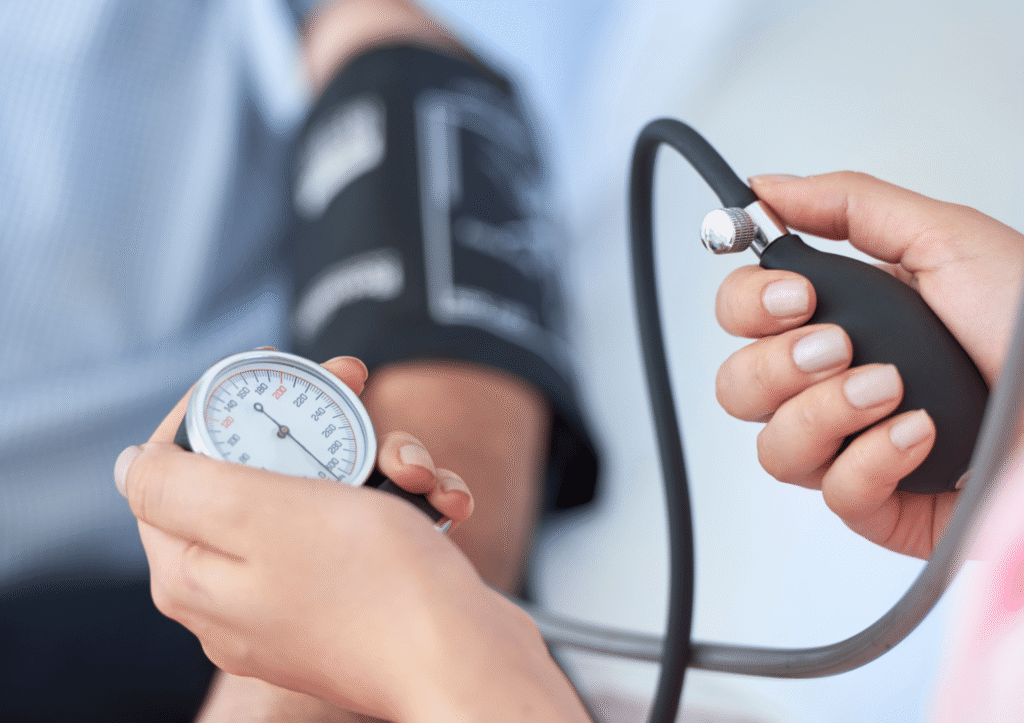
How excess salt affects your blood pressure:
- Too much sodium causes your body to retain water
- That extra water increases blood volume
- More blood volume means your heart must work harder
- That leads to higher blood pressure
It’s not about eliminating salt—it’s about keeping it balanced.
Where Most Americans Get Their Salt? (It’s Not the Salt Shaker)
Most of the sodium in the U.S. diet comes from processed and packaged foods, not homemade cooking.
Top hidden sources:
- Fast food meals
- Pizza
- Deli meats & bacon
- Canned soups
- Chips, crackers & snacks
- Frozen meals
- Sauces & salad dressings
Even foods that don’t taste salty—like bread—can be sneaky sodium bombs.
How Much Sodium Do You Actually Need?
Health experts recommend:
- 2,300 mg per day maximum (about 1 teaspoon of salt)
- 1,500 mg for people with high blood pressure, diabetes, or heart disease
But Americans often eat 3,400 mg or more daily—sometimes without even realizing it.
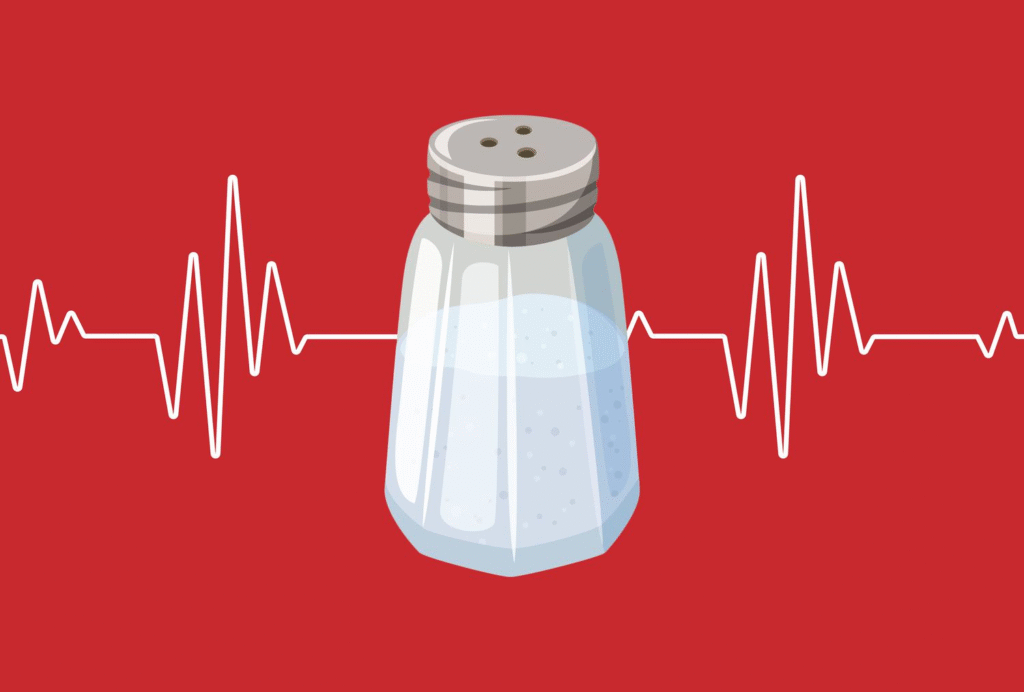
Signs You May Be Eating Too Much Salt
You might be taking in more sodium than you think if you notice:
- Frequent bloating
- Puffy fingers or swollen ankles
- Extreme thirst
- Headaches
- Sudden spikes in blood pressure
If these sound familiar, it might be time to check your salt intake.
Smart Ways to Reduce Salt Without Losing Flavor
Lowering sodium doesn’t mean eating bland, boring food. You can still enjoy your favorite dishes with a few simple swaps.
Try these easy strategies:
✔ Choose low-sodium canned or packaged foods
✔ Season with herbs, citrus, garlic, and pepper instead of extra salt
✔ Compare nutrition labels at the grocery store
✔ Cook more meals at home
✔ Limit takeout and fast food to once or twice a week
✔ Rinse canned beans and veggies to remove excess sodium
Small changes make a big impact.
Potassium: The Mineral That Balances Sodium
Here’s something many Americans don’t know: Potassium helps counter the effects of salt. It relaxes blood vessels and helps your body get rid of excess sodium.
Potassium-rich foods include:
- Bananas
- Sweet potatoes
- Leafy greens
- Beans
- Avocados
- Yogurt
- Oranges
Boosting potassium + reducing sodium = a powerful combo for lower blood pressure.
Is Salt Bad for Everyone?
Not necessarily. Some people are more sensitive to salt than others. Genetics, age, weight, and health conditions all play a role.
But overall, keeping sodium moderate benefits most Americans and helps protect long-term heart health.
Final Thoughts: What You Really Need to Know
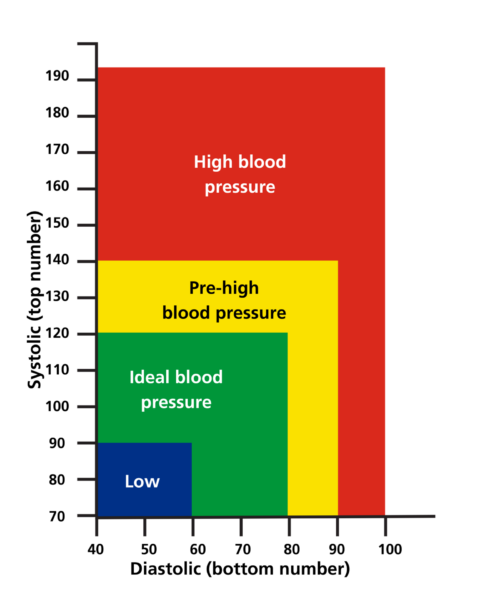
Salt isn’t the enemy—but too much of it can raise your blood pressure and strain your heart. With so many high-sodium foods in the typical American diet, the key is simply being mindful.
By choosing fresher foods, reading labels, and using flavorful seasonings, you can enjoy delicious meals and keep your blood pressure in a healthy range.
Your heart—and your future self—will thank you.