Plus: Top 10 Best Wearable Sleep-Tracking Devices in the USA
Sleep is not a luxury—it is a biological necessity. In the United States, millions of adults fail to get the recommended 7–9 hours of sleep per night. According to public health data, chronic sleep deprivation is linked to serious physical and mental health risks.
If you’ve ever wondered why sleep matters so much—and what really happens when you don’t get enough—this evidence-based guide breaks it down clearly. We’ll also explore the top wearable sleep trackers in the USA to help you better understand your sleep patterns.
Why Is Sleeping Important for Us?
Sleep supports nearly every system in the body. During sleep, your brain and body perform critical restoration processes.
1. Brain Function & Memory Consolidation
While you sleep, your brain organizes and stores memories. Deep sleep strengthens learning and cognitive performance.
2. Hormonal Regulation
Sleep regulates hormones such as:
- Cortisol (stress hormone)
- Insulin (blood sugar control)
- Growth hormone
- Melatonin
Poor sleep disrupts hormonal balance, contributing to weight gain and mood changes.
3. Immune System Support
Adequate sleep strengthens immune defense, reducing susceptibility to infections.
4. Heart Health
Consistent sleep supports healthy blood pressure and cardiovascular function.
5. Emotional Stability
Sleep helps regulate mood. Chronic deprivation is strongly linked to anxiety and depression.
What Happens If We Don’t Get Enough Sleep?
Sleep deprivation impacts the body both short-term and long-term.
Short-Term Effects:
- Brain fog and reduced concentration
- Irritability
- Slower reaction time
- Increased cravings for sugary foods
- Headaches
Long-Term Effects:
- Increased risk of heart disease
- Obesity and insulin resistance
- Weakened immune system
- Hormonal imbalance
- Increased risk of anxiety and depression
In the U.S., shift work, screen exposure, and high stress levels are common contributors to sleep deficiency.
How Much Sleep Do Adults Need?
Most American adults need:
- 7–9 hours per night
Teenagers need 8–10 hours, and children require even more.
Quality matters as much as quantity. Deep sleep and REM sleep are essential for full recovery.
Top 10 Best Wearable Sleep-Tracking Devices in the USA
Tracking your sleep can increase awareness and help identify patterns. Below are some of the most popular and reliable wearable sleep trackers available in the United States.
1. Oura Ring Gen3


Best for: Advanced sleep insights
- Tracks sleep stages
- Measures body temperature
- Monitors heart rate variability (HRV)
- Provides readiness score
Popular among health enthusiasts and biohackers.
2. Apple Watch Series 9

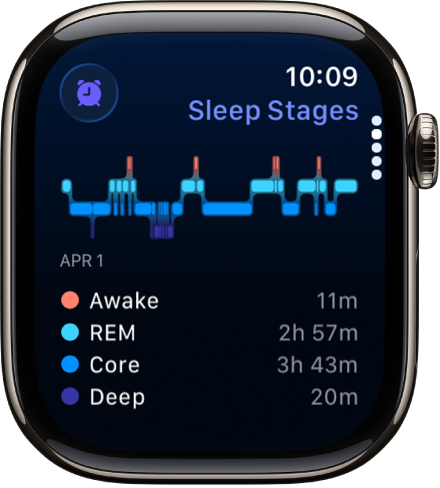

Best for: iPhone users
- Sleep stage tracking
- Integration with Apple Health
- Heart rate monitoring
- Smart alarm features
3. Fitbit Charge 6

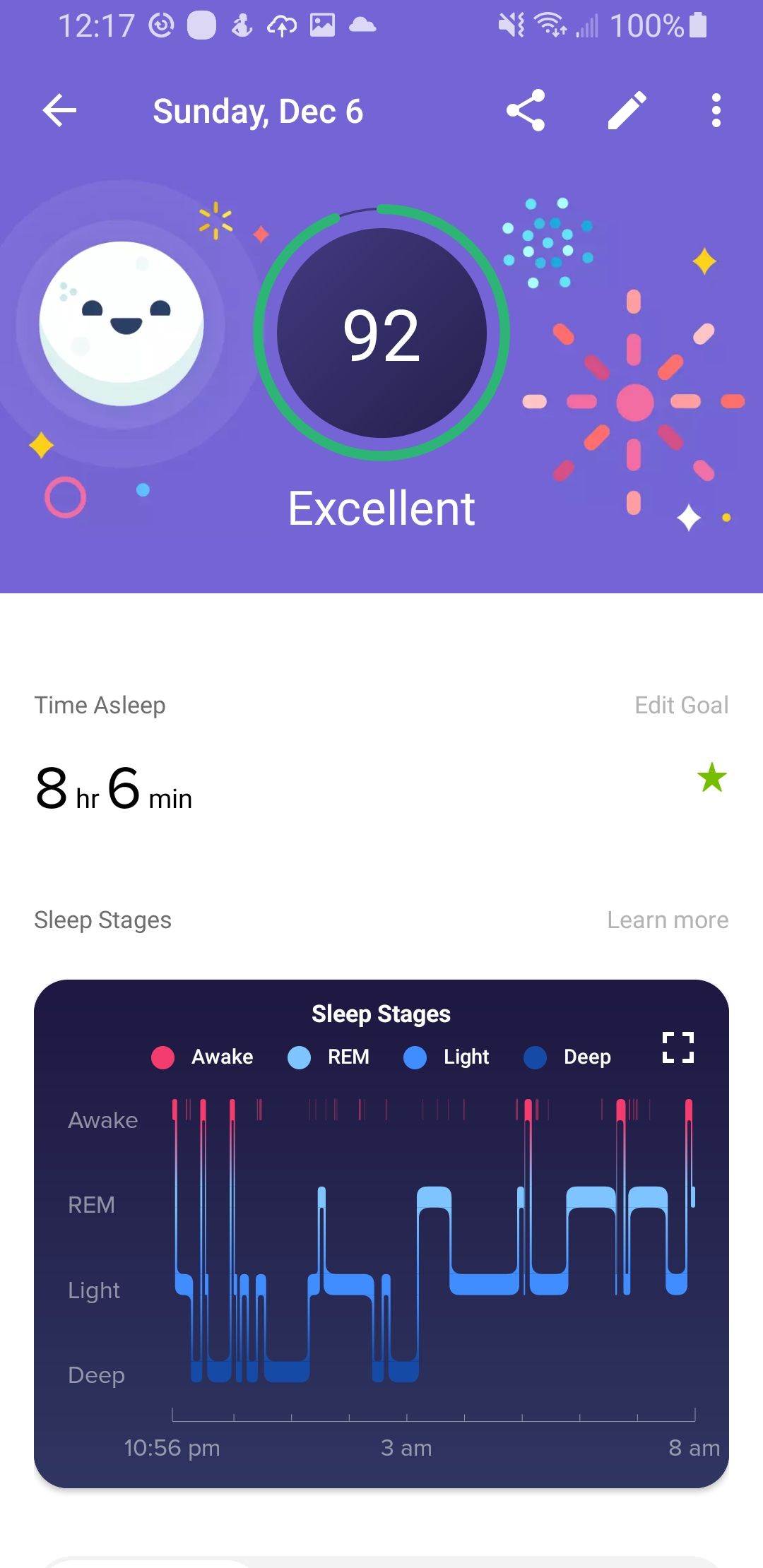
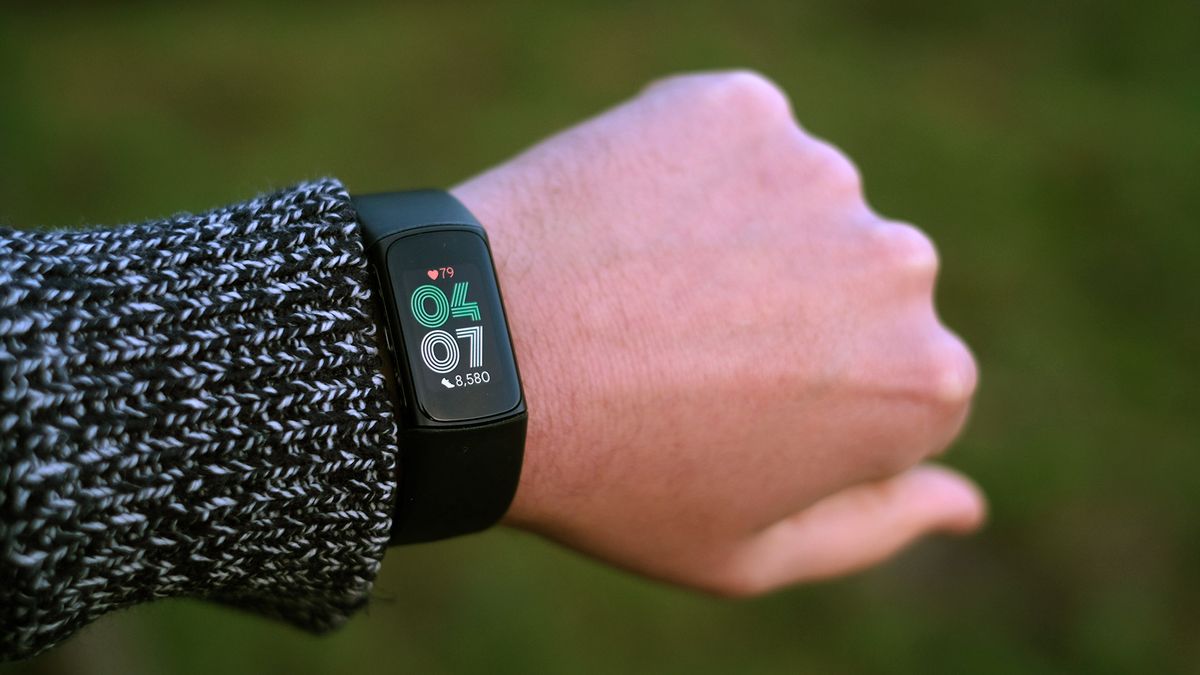
Best for: Affordable detailed tracking
- Sleep score
- SpO2 monitoring
- Stress tracking
4. WHOOP 4.0
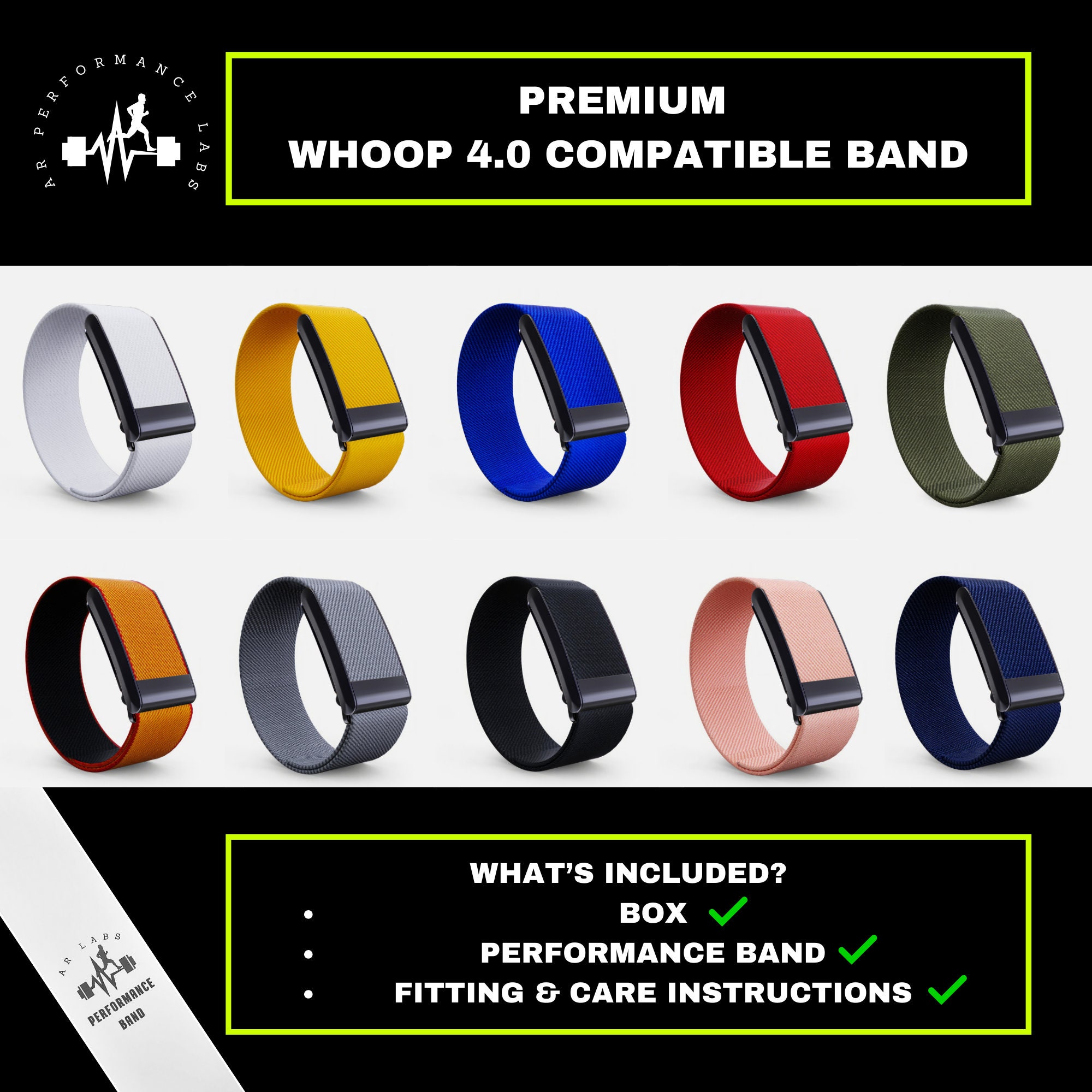
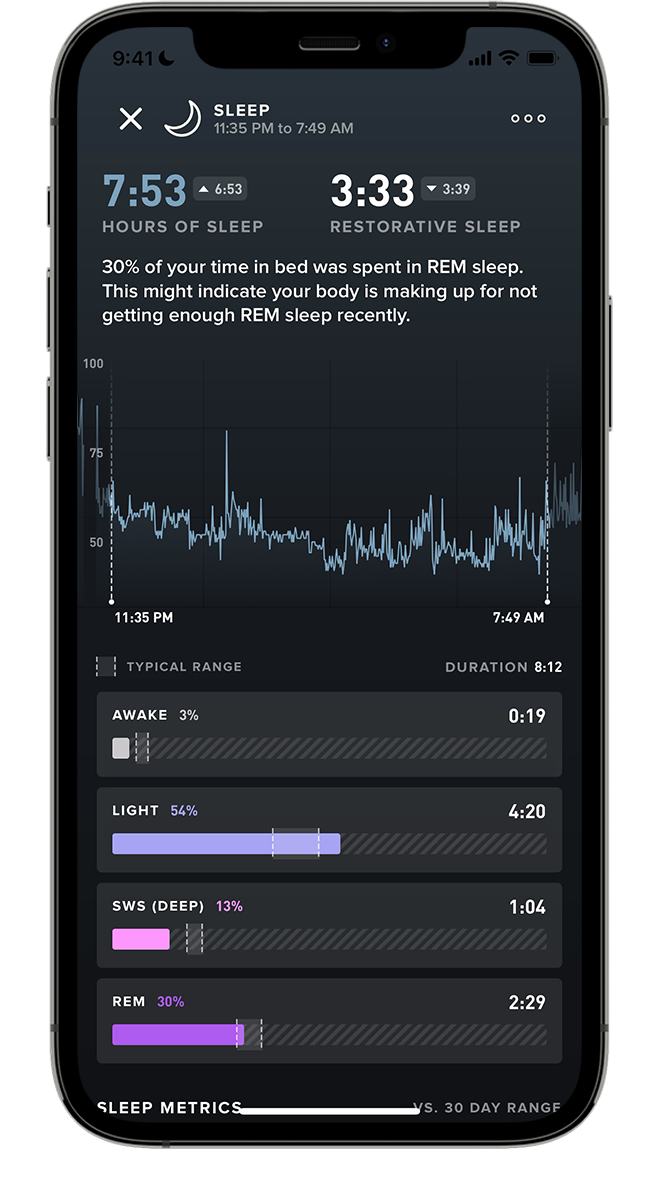

Best for: Recovery-focused athletes
- Advanced HRV tracking
- Sleep performance analysis
- Recovery scoring
5. Garmin Venu 3
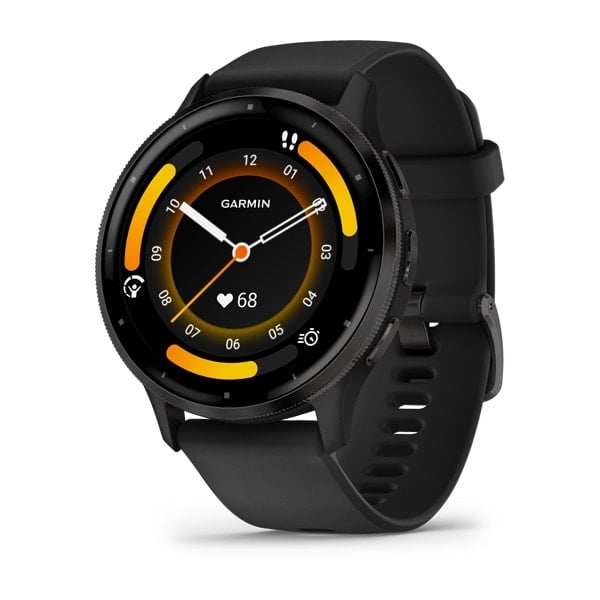
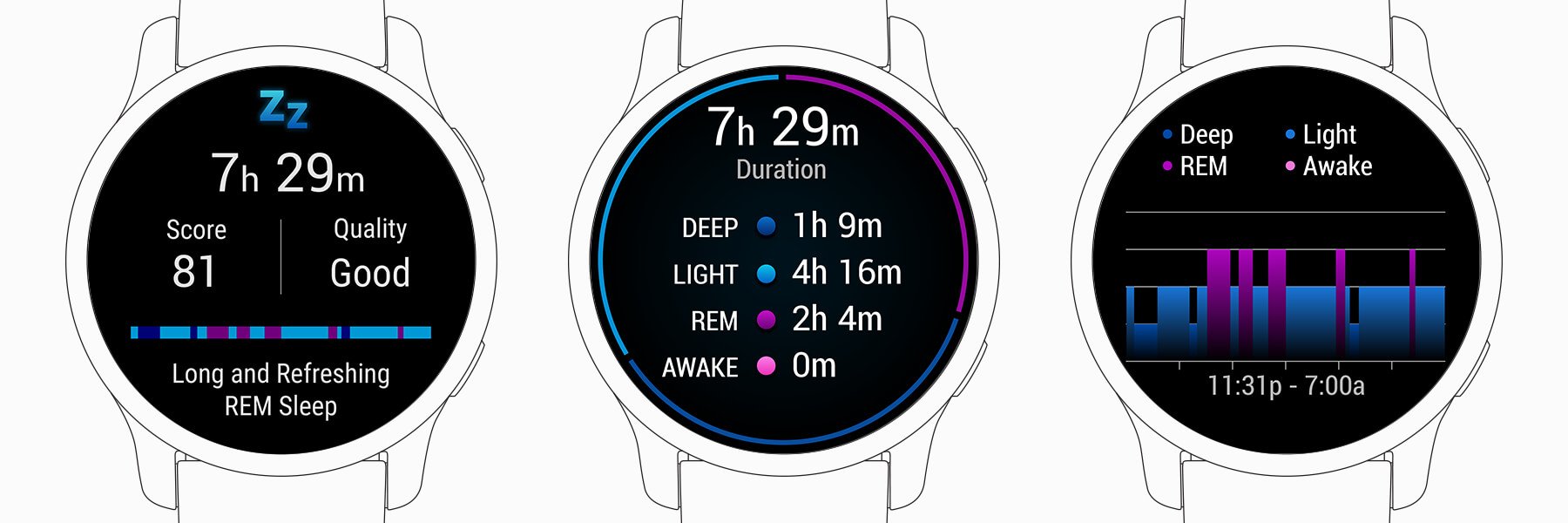
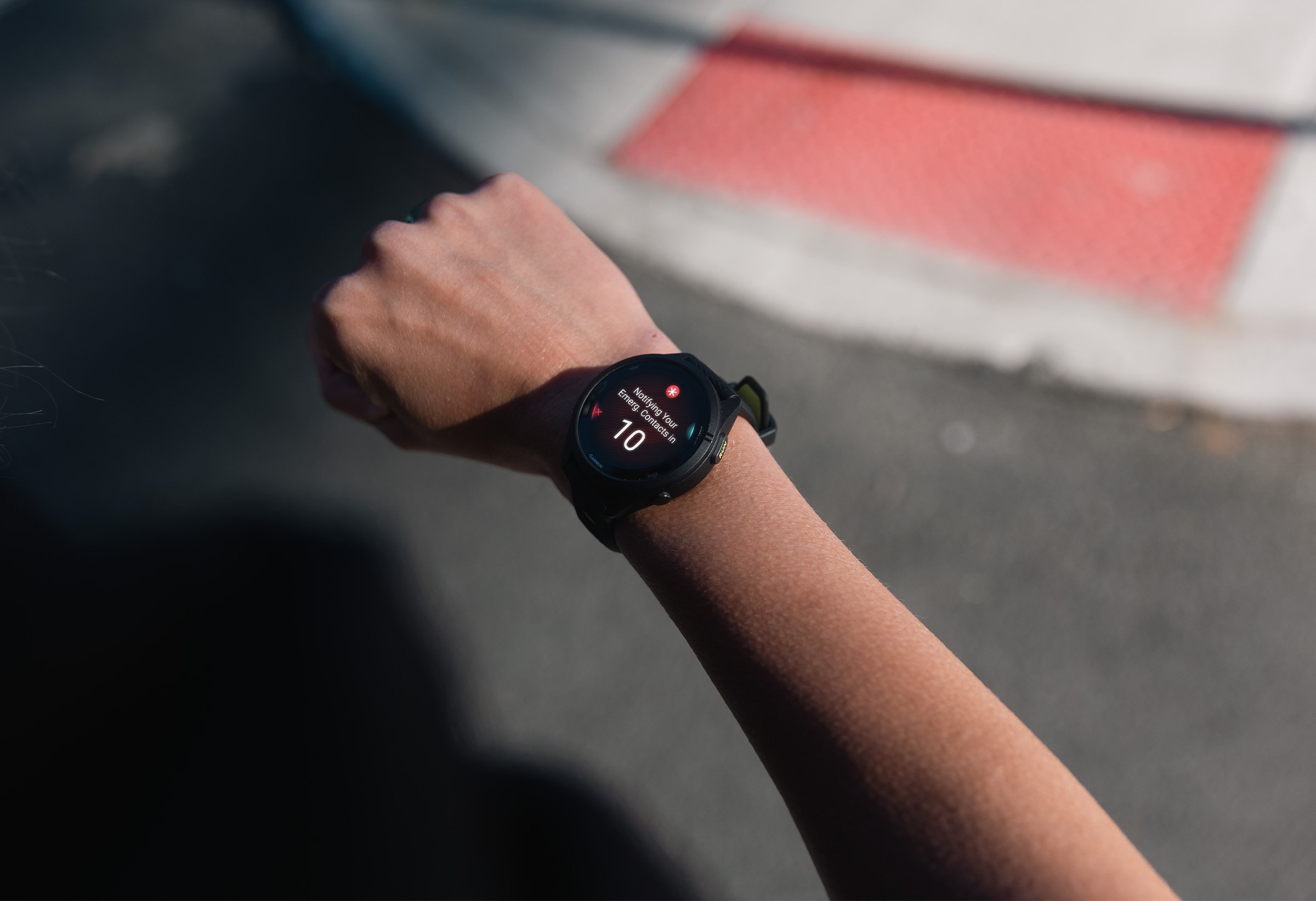
Best for: Fitness & sleep combined
- Sleep coaching
- Body Battery energy tracking
- Nap detection
6. Samsung Galaxy Watch 6

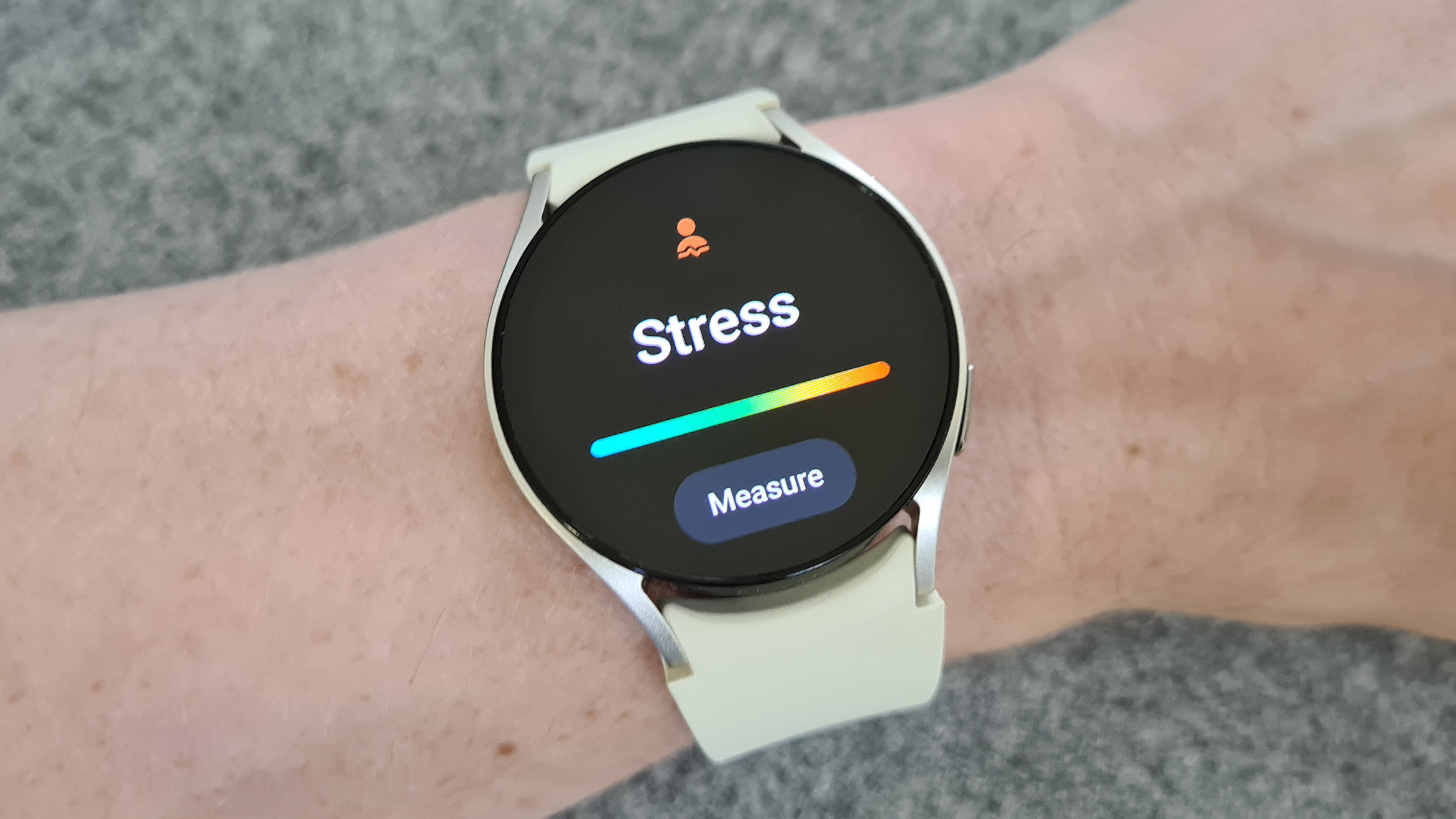

Best for: Android users
- Advanced sleep scoring
- Snore detection (via phone integration)
7. Google Pixel Watch 2
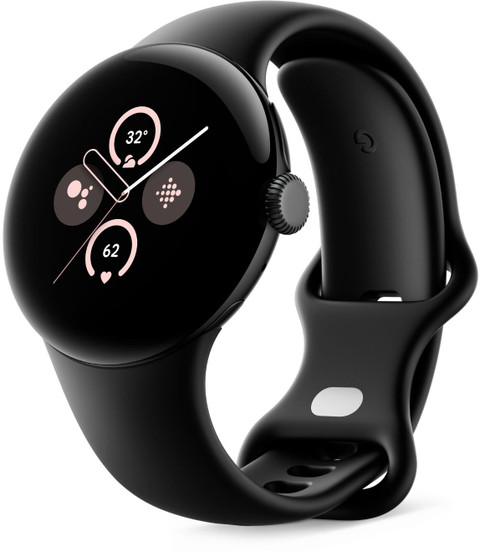
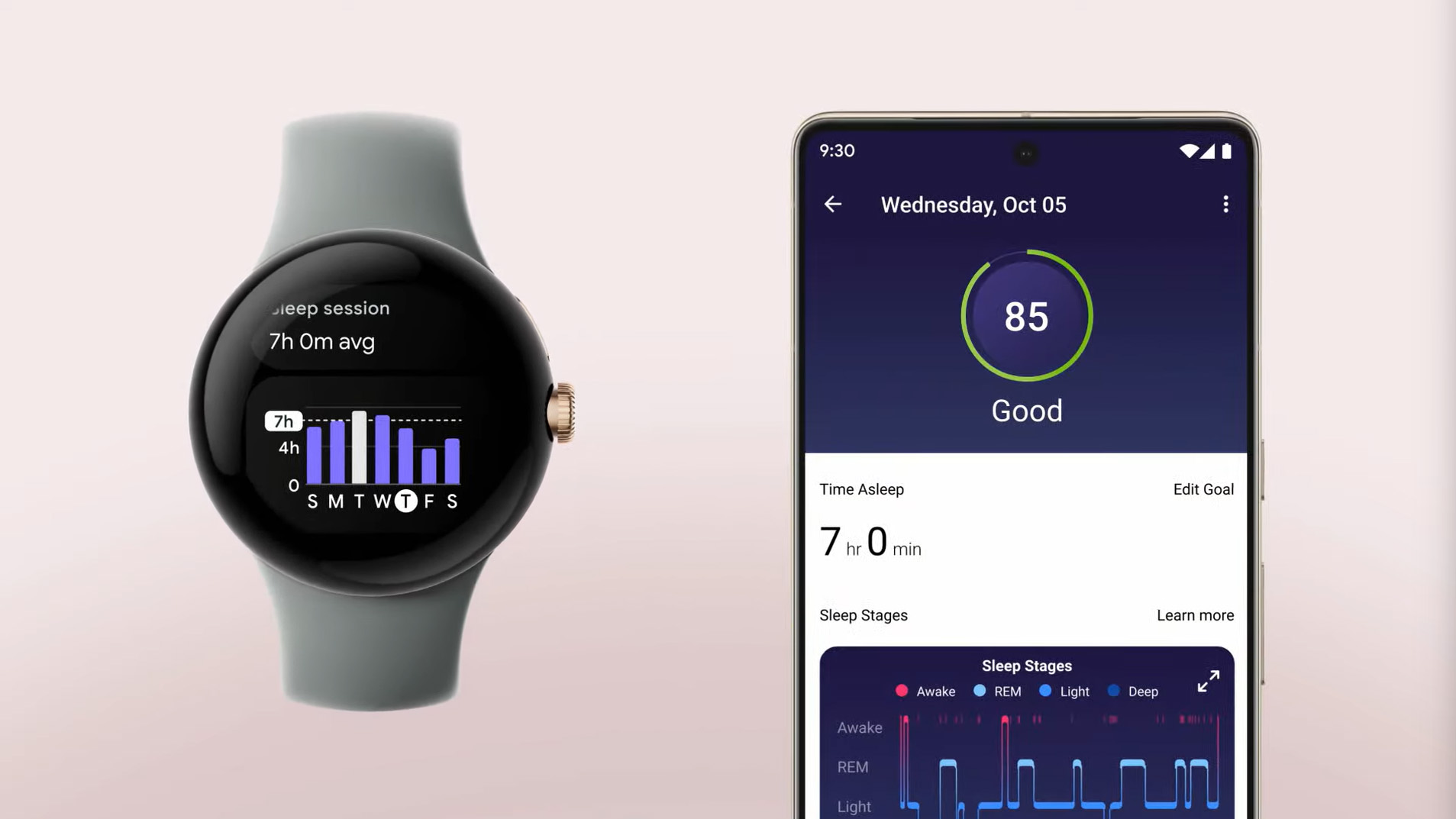
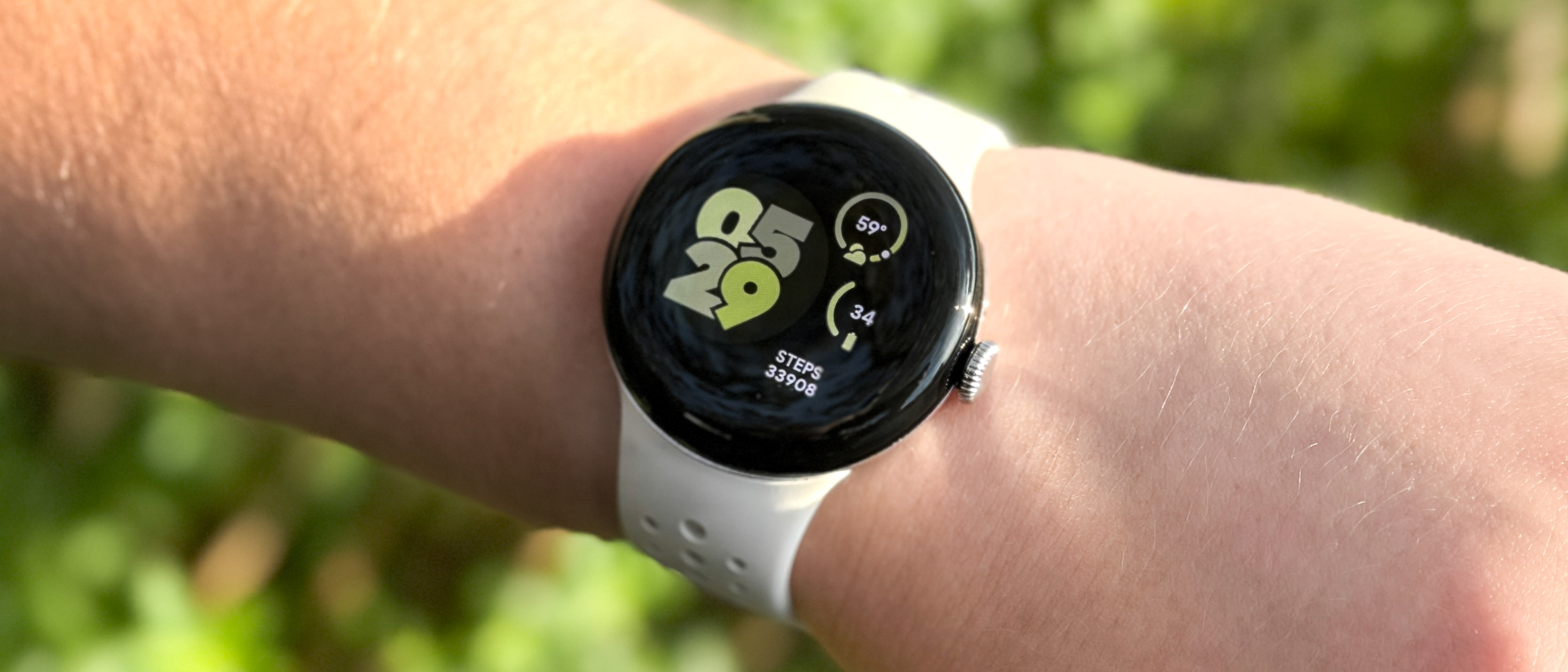
Best for: Fitbit ecosystem users
8. Withings ScanWatch 2
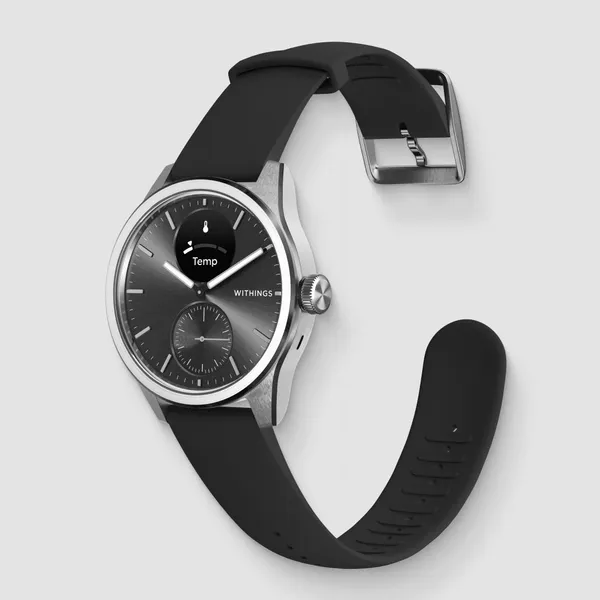
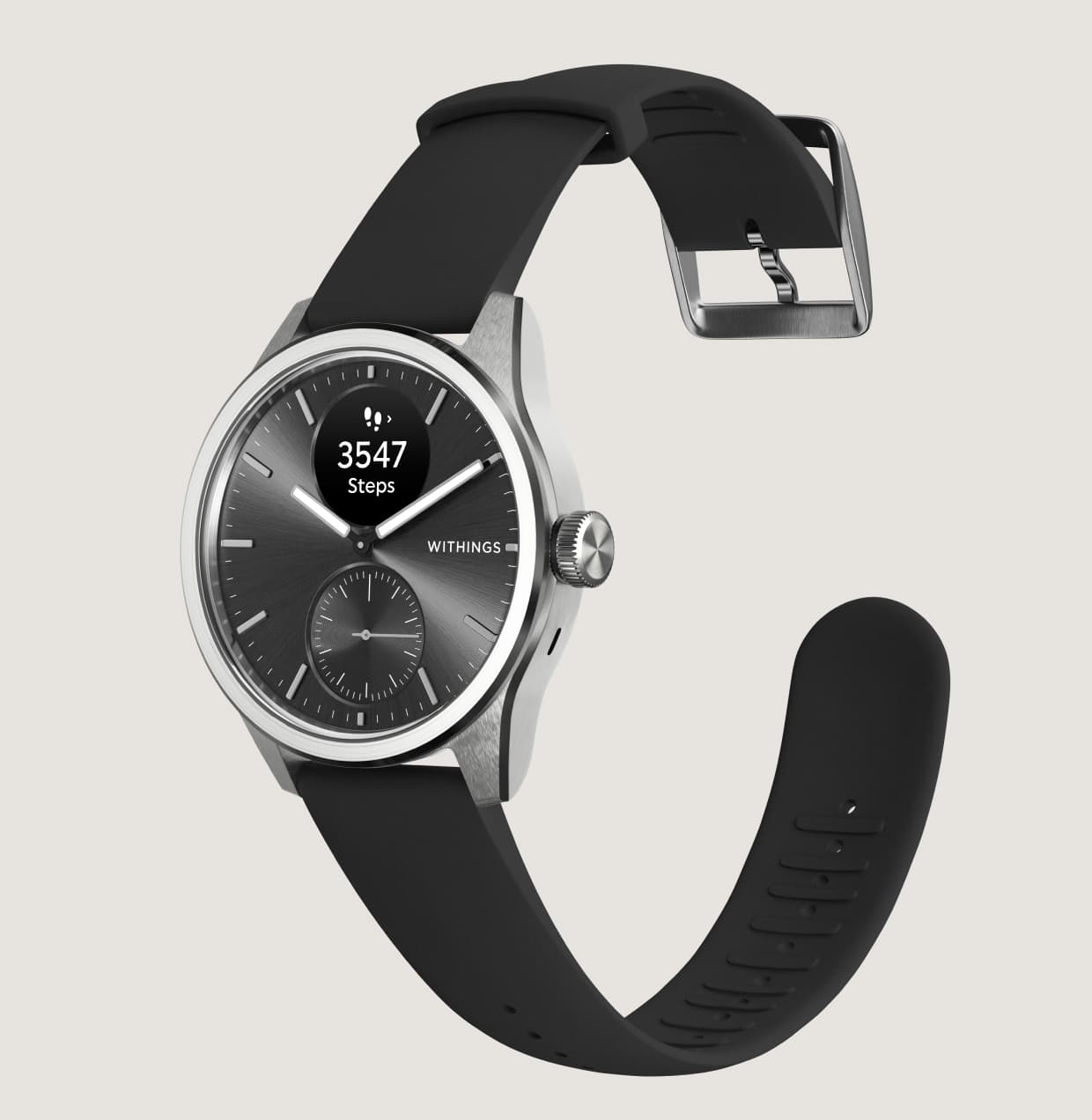
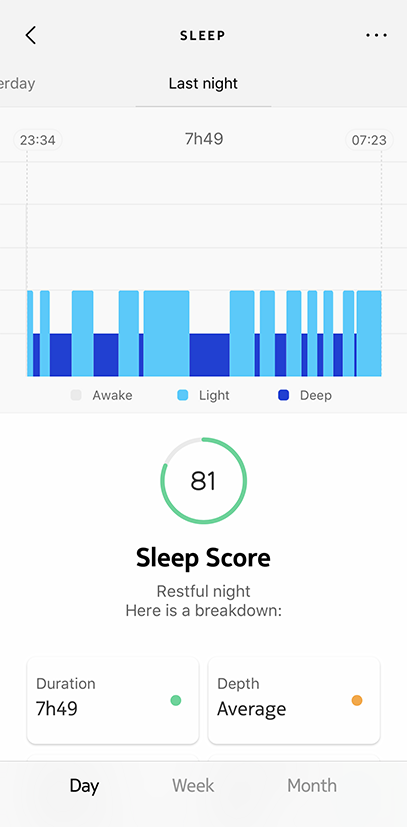
Best for: Classic watch design with smart features
9. Amazfit Balance
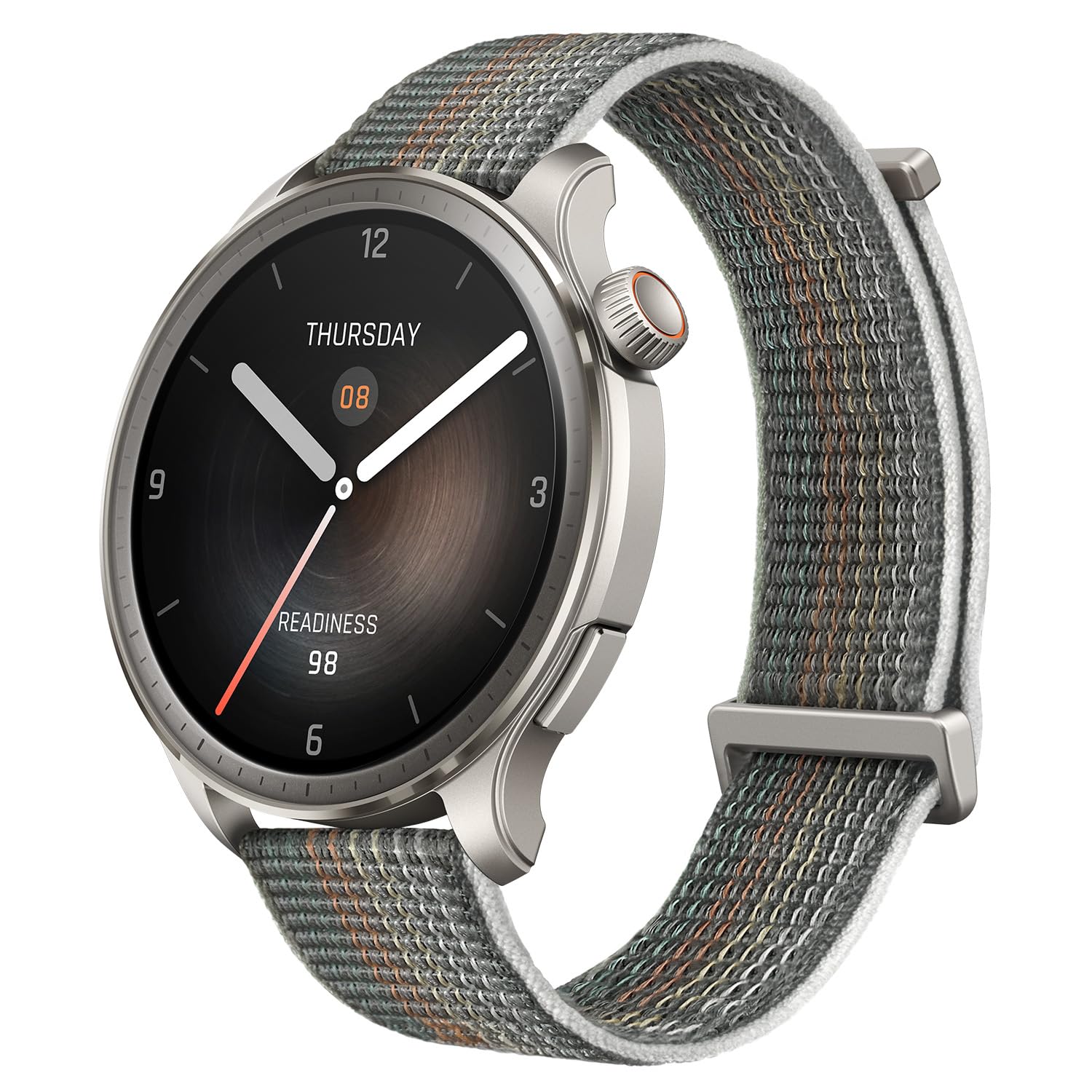

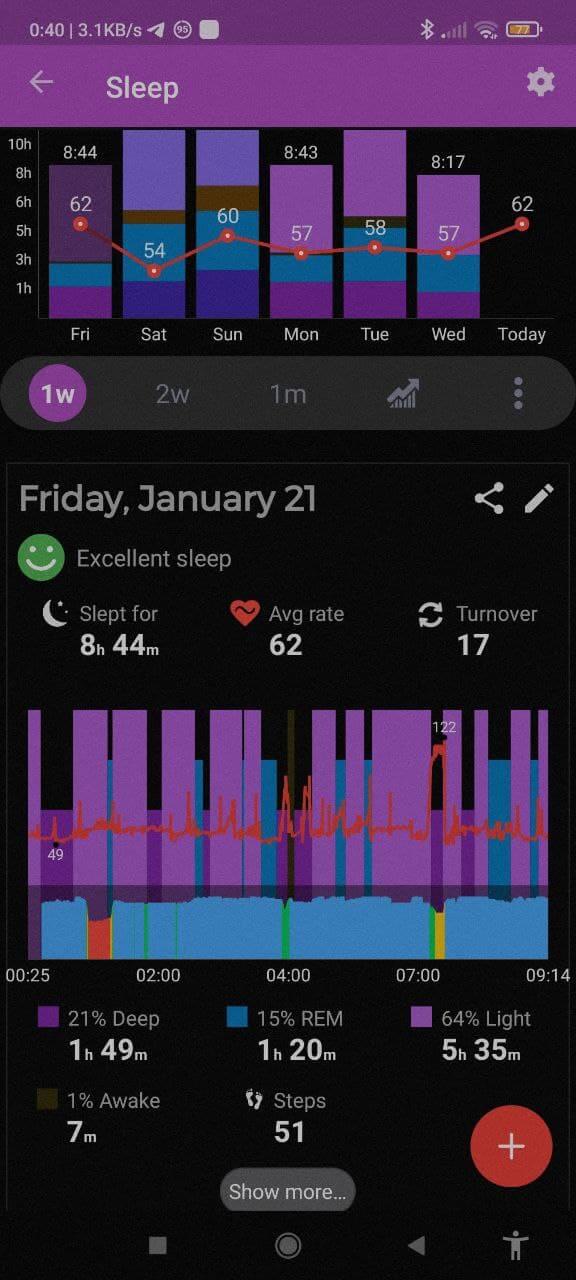
Best for: Budget-friendly tracking
10. Polar Ignite 3

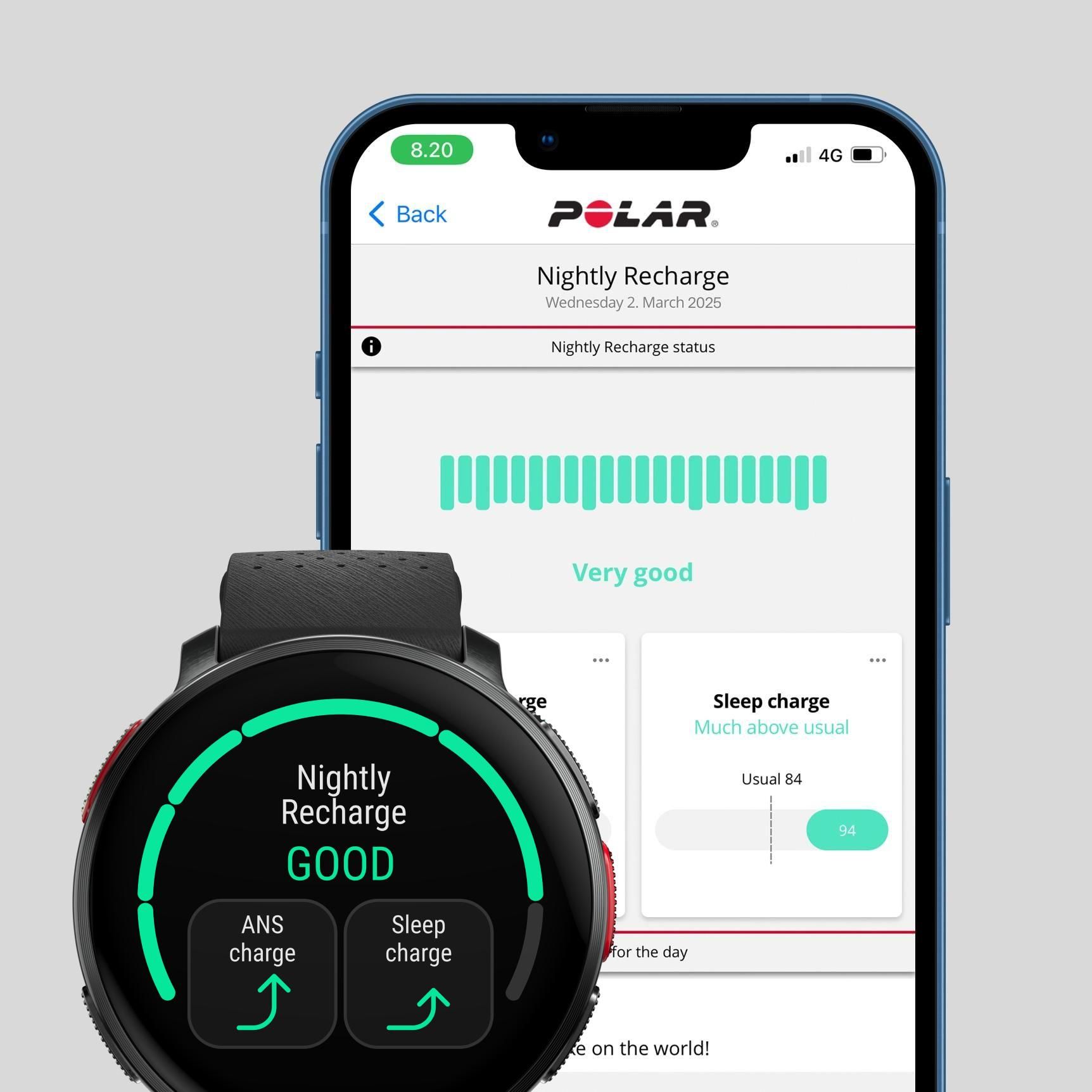

Best for: Detailed sleep stage analysis
Can Sleep Trackers Replace Medical Advice?
Wearables provide useful trends—but they are not diagnostic tools. If you experience:
- Chronic insomnia
- Loud snoring
- Excessive daytime sleepiness
- Frequent nighttime awakenings
Consult a healthcare provider. Sleep apnea and other disorders require professional evaluation.
Sleep is foundational to physical health, mental clarity, emotional stability, and hormonal balance. Without enough sleep, the body struggles to repair, regulate, and protect itself.
In the fast-paced lifestyle of the United States, prioritizing sleep is one of the most powerful self-care decisions you can make.
Whether you improve sleep through better habits or use a wearable tracker for accountability, the goal remains the same:
Protect your sleep—protect your health.