
In today’s fast-paced American lifestyle—filled with deadlines, digital overload, and constant responsibilities—mental health challenges are becoming increasingly common. Anxiety, burnout, and chronic stress affect millions of people across the United States.
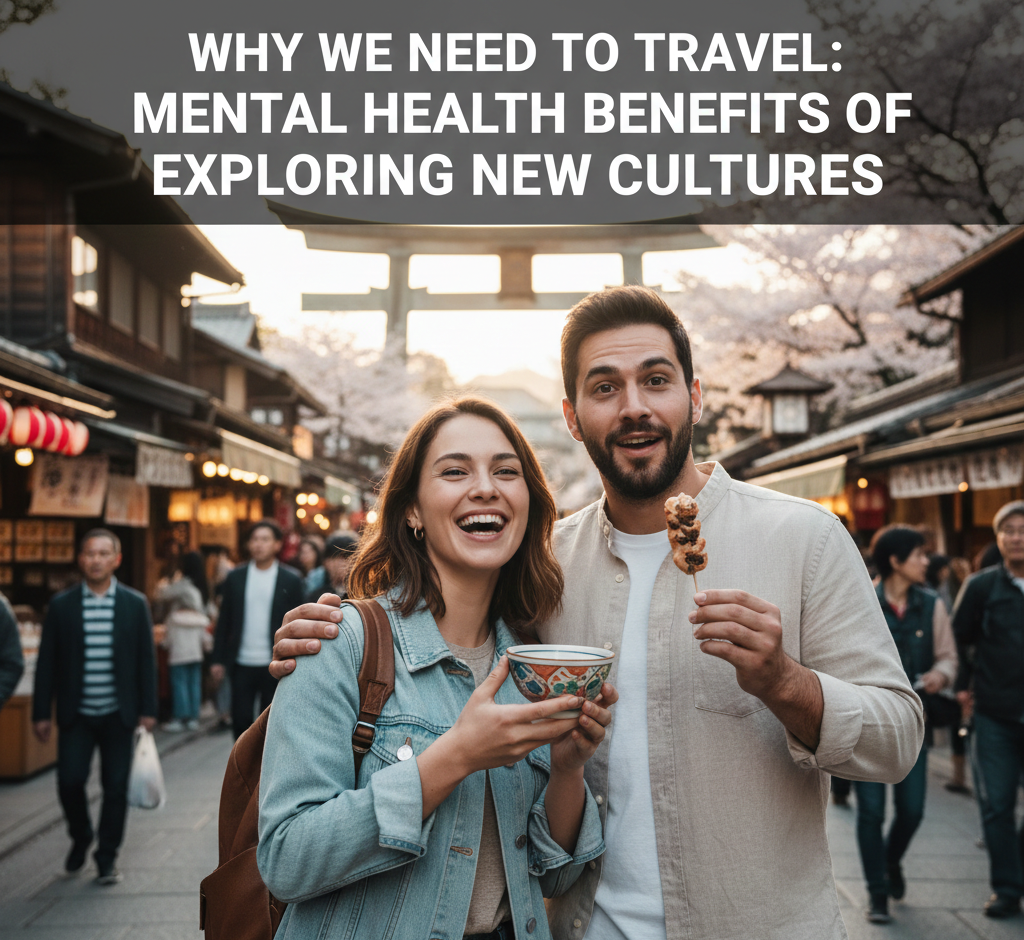
One powerful yet often underestimated remedy? Travel.
Traveling isn’t just about vacations or Instagram photos. It’s a scientifically supported way to improve mental health, expand perspective, and build emotional resilience. Exploring new cultures, environments, and experiences can profoundly benefit your psychological well-being.
Let’s explore why we need to travel—and how it supports mental health in meaningful, lasting ways.
1. Travel Reduces Stress and Burnout
Chronic stress triggers elevated cortisol levels, which can impact sleep, mood, and immune function. Stepping away from routine responsibilities allows the nervous system to reset.
Studies show that taking vacations can:
- Lower stress hormones
- Improve heart health
- Enhance sleep quality
- Increase overall life satisfaction
In the U.S., where work-life balance can be challenging, regular travel—even short weekend getaways—helps prevent burnout.
2. Exposure to New Cultures Expands Perspective
Exploring different cultures challenges assumptions and broadens your worldview.
When you:
- Taste unfamiliar foods
- Hear different languages
- Observe diverse traditions
- Engage with people from varied backgrounds
You develop cultural awareness and empathy.
This cognitive flexibility strengthens mental resilience and reduces rigid thinking patterns often linked to anxiety and stress.
3. Travel Stimulates Brain Function
New environments activate the brain in unique ways.
Navigating unfamiliar streets, learning basic phrases in another language, or trying new activities stimulates:
- Memory centers
- Problem-solving skills
- Creativity
Neuroscience research suggests that novel experiences encourage neuroplasticity—the brain’s ability to adapt and form new connections.
Travel is mental exercise.
4. Strengthening Emotional Resilience
Travel doesn’t always go perfectly. Delayed flights, language barriers, or unexpected changes require adaptability.
These challenges build:
- Patience
- Emotional regulation
- Problem-solving confidence
Over time, successfully navigating unfamiliar situations improves your ability to handle everyday stress back home.
5. Enhancing Happiness and Anticipation
Interestingly, happiness begins before the trip.
Research shows that planning a vacation boosts mood due to anticipation. Looking forward to an experience activates reward pathways in the brain.
In American culture, where busy schedules dominate, having something positive to anticipate can significantly enhance emotional well-being.
6. Strengthening Relationships
Traveling with family or friends creates shared memories, strengthening social bonds.
Strong social connections are one of the most significant predictors of long-term mental health.
Shared travel experiences often lead to:
- Deeper conversations
- Increased appreciation
- Improved communication
Even solo travel can increase self-connection and confidence.
7. Encouraging Mindfulness
When you travel, you naturally become more present.
You notice:
- Architecture
- Nature
- Sounds and scents
- Cultural traditions
This heightened awareness mirrors mindfulness practices shown to reduce anxiety and depressive symptoms.
Travel encourages you to step out of autopilot mode.
8. Breaking Routine and Mental Fatigue
Routine can be comforting—but excessive repetition leads to mental stagnation.
Exploring new cultures interrupts repetitive thought patterns and offers fresh perspectives.
Many Americans report feeling “mentally refreshed” after travel because their brains had a chance to disengage from constant demands.
9. Boosting Self-Confidence
Successfully navigating a new place builds independence and self-trust.
Whether it’s:
- Traveling solo
- Trying unfamiliar cuisine
- Communicating across language barriers
Each success reinforces your capability and adaptability.
Confidence directly contributes to improved mental health outcomes.
10. Supporting Long-Term Life Satisfaction
Travel often shifts priorities.
Experiences tend to bring more lasting happiness than material possessions. Exploring new cultures fosters gratitude, perspective, and appreciation—key components of emotional well-being.
Many Americans find that travel helps them reevaluate goals, careers, and relationships in healthier ways.
Practical Tips for Mental Health-Focused Travel
To maximize benefits:
- Disconnect from work notifications
- Choose experiences over rigid itineraries
- Allow downtime
- Practice mindful exploration
- Engage respectfully with local cultures
Travel does not need to be expensive or international. Even exploring a nearby state park or historic town can provide similar mental refreshment.
Why do we need to travel? Because mental health thrives on novelty, connection, and perspective.
In the demanding rhythm of life in the United States, travel offers more than relaxation—it provides restoration. Exploring new cultures expands empathy, stimulates the brain, strengthens relationships, and builds emotional resilience.
Travel isn’t escapism. It’s intentional self-care.
When you step into the world, you return home stronger, clearer, and more balanced.