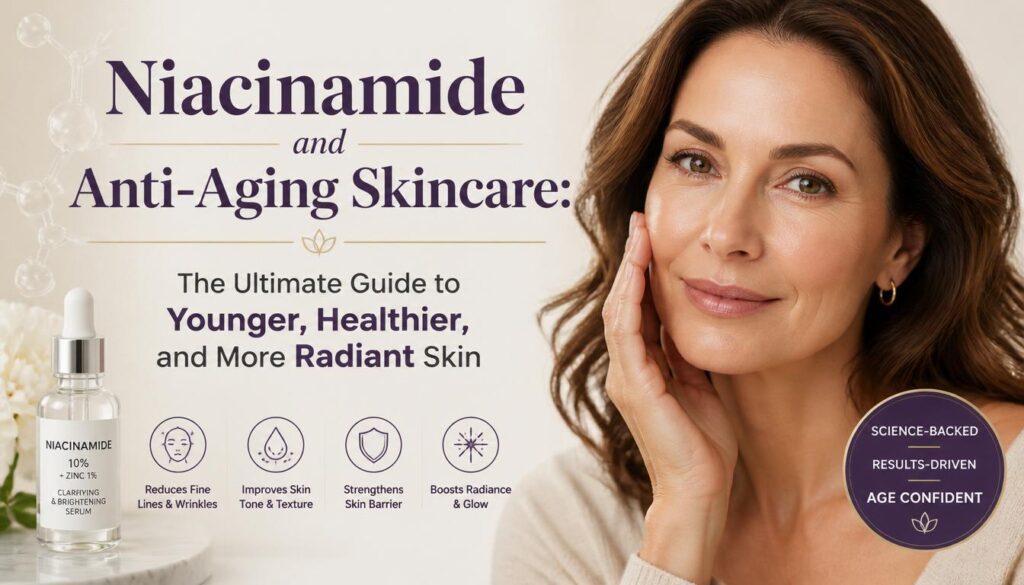
Niacinamide is one of the most effective anti-aging skincare ingredients because it helps strengthen the skin barrier, reduce fine lines, minimize pores, improve skin texture, fade discoloration, and support collagen production. When combined with proven anti-aging ingredients like retinol, vitamin C, peptides, hyaluronic acid, and antioxidants, niacinamide can help create healthier, firmer, and more youthful-looking skin over time.
Introduction
The skincare industry is constantly evolving, but only a handful of ingredients consistently earn praise from dermatologists, researchers, and skincare professionals. Among these, niacinamide has emerged as one of the most versatile and scientifically supported ingredients available today.
From reducing visible signs of aging to strengthening the skin barrier and improving uneven skin tone, niacinamide has become a cornerstone of modern skincare routines. Yet niacinamide is only one piece of the anti-aging puzzle.
Healthy, youthful-looking skin depends on a combination of factors including collagen production, hydration, antioxidant protection, proper nutrition, lifestyle habits, and the strategic use of proven skincare ingredients.
As consumers across the United States increasingly embrace preventive skincare and skin longevity practices, understanding how niacinamide works alongside ingredients such as retinol, vitamin C, peptides, ceramides, and hyaluronic acid is more important than ever.
This comprehensive guide explores the science behind niacinamide and other leading anti-aging ingredients, helping you build a skincare routine that supports long-term skin health and visible results.
Why Skin Ages: Understanding the Root Causes
Before discussing anti-aging ingredients, it’s important to understand why skin changes over time.
Skin aging occurs through two primary mechanisms:
Intrinsic Aging
Intrinsic aging is the natural biological process influenced by genetics and time.
Common signs include:
- Fine lines
- Thinner skin
- Reduced elasticity
- Slower cell turnover
- Loss of collagen
Extrinsic Aging
Extrinsic aging results from environmental and lifestyle factors such as:
- UV exposure
- Pollution
- Smoking
- Stress
- Poor nutrition
- Lack of sleep
- Excessive alcohol consumption
Research suggests that external factors contribute significantly to visible aging, making skincare and lifestyle choices essential for maintaining healthy skin.
What Is Niacinamide?
Niacinamide, also known as Vitamin B3, is a water-soluble vitamin that plays a critical role in maintaining skin health.
Unlike some active ingredients that target a single concern, niacinamide provides multiple benefits simultaneously.
It helps:
- Improve skin barrier function
- Reduce redness
- Balance oil production
- Minimize enlarged pores
- Brighten skin tone
- Improve elasticity
- Reduce fine lines
- Support hydration
Because of its gentle nature, niacinamide is suitable for nearly all skin types, including sensitive skin.
The Science Behind Niacinamide
Niacinamide supports cellular energy production through its role in the formation of NAD+ (Nicotinamide Adenine Dinucleotide).
NAD+ is essential for:
- Cellular repair
- DNA maintenance
- Energy metabolism
- Skin regeneration
As we age, NAD+ levels naturally decline.
This decline may contribute to:
- Slower skin renewal
- Increased signs of aging
- Reduced resilience
Niacinamide helps support these processes, making it an important ingredient in skin longevity and anti-aging formulations.
Top Benefits of Niacinamide for Aging Skin
1. Strengthens the Skin Barrier
The skin barrier protects against:
- Moisture loss
- Environmental pollutants
- Irritants
- Harmful microorganisms
Niacinamide helps increase ceramide production, improving barrier function and reducing dehydration.
Benefits Include:
- Less dryness
- Improved resilience
- Better moisture retention
- Reduced sensitivity
2. Reduces Fine Lines and Wrinkles
Studies have shown that niacinamide may improve skin elasticity and reduce the appearance of fine lines.
It works by supporting:
- Collagen synthesis
- Cellular repair
- Skin renewal
Over time, skin appears smoother and firmer.
3. Improves Uneven Skin Tone
Hyperpigmentation is one of the most common skin concerns in the United States.
Niacinamide helps reduce discoloration by limiting the transfer of melanin within the skin.
Benefits include:
- Brighter complexion
- Reduced dark spots
- More even skin tone
4. Minimizes Enlarged Pores
Many users notice visible improvements in pore appearance after consistent niacinamide use.
This occurs because niacinamide helps regulate oil production and improve skin elasticity.
5. Calms Redness and Inflammation
Niacinamide is often recommended for individuals dealing with:
- Sensitive skin
- Rosacea-prone skin
- Post-acne redness
- Environmental irritation
Its anti-inflammatory properties make it one of the most versatile skincare ingredients available.
Other Powerful Anti-Aging Ingredients That Work with Niacinamide
Retinol: The Gold Standard Anti-Aging Ingredient
Retinol, a derivative of Vitamin A, remains one of the most studied anti-aging ingredients.
Benefits:
- Increased cell turnover
- Improved texture
- Reduced wrinkles
- Enhanced collagen production
- Smoother skin
Why It Pairs Well with Niacinamide
Niacinamide helps reduce the irritation often associated with retinol use.
Together they create a balanced anti-aging routine.
Vitamin C: The Brightening Antioxidant
Vitamin C is essential for collagen production and antioxidant protection.
Benefits:
- Brightens dull skin
- Reduces dark spots
- Protects against free radicals
- Improves firmness
Niacinamide + Vitamin C
Modern formulations allow these ingredients to work together effectively.
This combination provides:
- Antioxidant protection
- Improved skin tone
- Enhanced anti-aging benefits
Peptides: The Collagen Messengers
Peptides are short chains of amino acids that communicate with skin cells.
Benefits:
- Support collagen production
- Improve firmness
- Reduce wrinkles
- Strengthen the skin barrier
Popular peptides include:
- Copper peptides
- Matrixyl
- Signal peptides
Hyaluronic Acid: The Hydration Hero
Hyaluronic acid naturally exists within the skin and helps retain moisture.
Benefits:
- Deep hydration
- Plumper appearance
- Reduced dryness
- Improved skin comfort
Well-hydrated skin often appears smoother and more youthful.
Ceramides: Essential for Barrier Health
Ceramides are lipids naturally found in the skin barrier.
Benefits:
- Prevent moisture loss
- Improve resilience
- Reduce irritation
- Strengthen barrier function
Niacinamide and ceramides are frequently combined in barrier-focused skincare products.
Coenzyme Q10 (CoQ10)
CoQ10 is a powerful antioxidant involved in cellular energy production.
Benefits:
- Protects against oxidative stress
- Supports skin repair
- Improves elasticity
- Reduces visible aging signs
Green Tea Extract
Rich in polyphenols, green tea offers significant antioxidant benefits.
Benefits:
- Reduces inflammation
- Protects against environmental stress
- Supports healthy aging
The Role of Nutrition in Healthy Skin Aging
Skincare products are important, but healthy skin also begins from within.
A nutrient-rich diet supports:
- Collagen production
- Hydration
- Inflammation control
- Cellular repair
Foods That Support Skin Health
Fatty Fish
Rich in omega-3 fatty acids.
Examples:
- Salmon
- Sardines
- Mackerel
Colorful Fruits and Vegetables
Provide antioxidants and vitamins.
Examples:
- Blueberries
- Strawberries
- Spinach
- Sweet potatoes
Nuts and Seeds
Provide healthy fats and Vitamin E.
Examples:
- Almonds
- Walnuts
- Chia seeds
Protein Sources
Support collagen synthesis.
Examples:
- Eggs
- Chicken
- Greek yogurt
- Legumes
Building an Effective Anti-Aging Skincare Routine
Morning Routine
Step 1: Gentle Cleanser
Choose a non-stripping cleanser.
Step 2: Vitamin C Serum
Protect against daily environmental stressors.
Step 3: Niacinamide Serum
Support barrier health and improve skin tone.
Step 4: Moisturizer
Lock in hydration.
Step 5: Sunscreen
Use SPF 30 or higher every day.
Evening Routine
Step 1: Cleanser
Remove makeup and impurities.
Step 2: Niacinamide Serum
Support overnight repair.
Step 3: Retinol
Promote collagen production and renewal.
Step 4: Moisturizer
Restore hydration and barrier support.
Common Anti-Aging Mistakes to Avoid
Over-Exfoliation
Excessive exfoliation can damage the skin barrier.
Signs include:
- Redness
- Tightness
- Sensitivity
Skipping Sunscreen
UV exposure remains the leading cause of premature skin aging.
Daily SPF is non-negotiable.
Using Too Many Active Ingredients
More products do not necessarily mean better results.
Focus on consistency and compatibility.
Ignoring Lifestyle Factors
Skincare works best when combined with:
- Healthy nutrition
- Quality sleep
- Exercise
- Stress management
- Hydration
Anti-Aging Ingredients by Skin Type
Dry Skin
Best ingredients:
- Niacinamide
- Ceramides
- Hyaluronic acid
- Peptides
Oily Skin
Best ingredients:
- Niacinamide
- Salicylic acid
- Green tea extract
Sensitive Skin
Best ingredients:
- Niacinamide
- Ceramides
- Panthenol
Mature Skin
Best ingredients:
- Retinol
- Peptides
- Vitamin C
- Niacinamide
Emerging Trends in Skin Longevity
The skincare industry is increasingly focusing on:
NAD+ Support
Ingredients that support cellular energy and repair.
Peptide Technology
Advanced peptides targeting multiple signs of aging.
Barrier-First Skincare
Prioritizing resilience over aggressive treatments.
Regenerative Skincare
Supporting tissue repair and collagen production.
Personalized Skincare
Customized routines based on individual skin needs.
Frequently Asked Questions
Is niacinamide safe for daily use?
Yes. Most individuals can use niacinamide once or twice daily.
Can niacinamide be used with retinol?
Yes. Niacinamide can help reduce retinol-related irritation.
What percentage of niacinamide is best?
Products containing 2% to 10% niacinamide are commonly used.
How long does it take to see results?
Many users notice improvements within 4 to 12 weeks of consistent use.
Can niacinamide help with wrinkles?
Yes. Niacinamide may improve skin elasticity and reduce visible fine lines over time.
Is niacinamide suitable for sensitive skin?
In most cases, yes. It is considered one of the gentlest active skincare ingredients.
Internal Linking Suggestions
Link this article to related content such as:
- The Complete Guide to Retinol for Beginners
- Benefits of Vitamin C Serum for Glowing Skin
- Best Peptides for Collagen Production
- How to Repair a Damaged Skin Barrier
- Anti-Aging Foods That Support Healthy Skin
- Skin Longevity: The Future of Preventive Skincare
- Ceramides vs Hyaluronic Acid: Which Is Better?
- Morning vs Evening Skincare Routine Guide
Conclusion
When it comes to achieving healthier, firmer, and more youthful-looking skin, few ingredients offer as many benefits as niacinamide. Its ability to strengthen the skin barrier, improve hydration, reduce discoloration, minimize pores, and support healthy aging makes it a valuable addition to nearly every skincare routine.
However, the most effective anti-aging strategy doesn’t rely on a single ingredient. Combining niacinamide with scientifically proven ingredients such as retinol, vitamin C, peptides, ceramides, and hyaluronic acid creates a comprehensive approach to skin health and longevity.
Pair these skincare essentials with a nutrient-rich diet, daily sun protection, adequate sleep, and healthy lifestyle habits, and you’ll be well-positioned to support vibrant, resilient skin for years to come.
Ready to Upgrade Your Skincare Routine?
Explore science-backed formulations featuring niacinamide, peptides, antioxidants, and barrier-supporting ingredients to help your skin look healthier, brighter, and more youthful every day. Consistency is the secret to long-term results—and the best time to start investing in your skin is today.