
Starting makeup can feel overwhelming—especially when you’re faced with endless products, brushes, and tutorials. The good news? Great makeup isn’t about having everything; it’s about mastering the basics. Once you understand a few core techniques, makeup becomes easy, fun, and confidence-boosting.
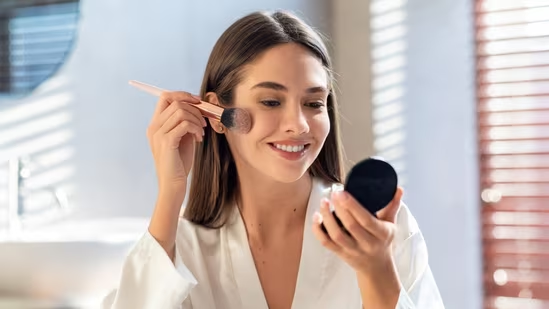
If you’re new to makeup or want to improve your skills, these beginner-friendly tips are backed by professional makeup principles and skin science.
1. Start with Clean, Moisturized Skin
Makeup always looks better on healthy skin. Cleansing removes oil and dirt, while moisturizer helps makeup apply smoothly.
Pro tip: Let moisturizer absorb for 1–2 minutes before applying makeup.
2. Use Primer Only Where You Need It
Primer helps makeup last longer and smooths texture—but you don’t need it everywhere.
Use primer on:
- Oily areas
- Large pores
- Around the nose and T-zone
Less product = more natural results.
3. Match Your Foundation to Your Skin Tone
Choosing the right foundation shade is one of the most important steps.
Test foundation on:
- Your jawline
- In natural daylight
The right shade should disappear into your skin—not sit on top of it.
4. Apply Foundation in Thin Layers
Heavy foundation can look cakey. Start with a small amount and build coverage only where needed.
Tools that work well:
- Damp makeup sponge
- Foundation brush
- Clean fingers
Skin should still look like skin.
5. Concealer Is for Targeted Coverage
Concealer works best when used strategically.
Use it to:
- Cover dark circles
- Hide blemishes
- Brighten under the eyes
Blend gently to avoid creasing.
6. Set Makeup Lightly with Powder
Setting powder locks makeup in place, especially for oily skin.
Apply powder:
- Lightly
- Only where needed (T-zone, under eyes)
Too much powder can make skin look dry or flat.
7. Shape Brows Naturally
Brows frame your face. Instead of over-drawing, fill in sparse areas using short, hair-like strokes.
Choose a brow product:
- One shade close to your natural hair color
- With a soft formula for beginners
Natural brows always look best.
8. Start Simple with Eye Makeup
Neutral eyeshadows are perfect for beginners.
Stick to:
- One light shade on the lid
- One slightly darker shade in the crease
- Mascara to define lashes
Master the basics before experimenting.
9. Blend, Blend, Blend
Blending is the secret to professional-looking makeup.
Blend:
- Eyeshadow edges
- Foundation lines
- Blush and bronzer
There should be no harsh lines.
10. Finish with a Lip Color You Love
Lips pull the whole look together. Start with comfortable formulas like lip balm, gloss, or creamy lipstick.
Choose shades that:
- Complement your skin tone
- Feel comfortable for daily wear
Confidence is the best makeup.
Beginner Makeup Mistakes to Avoid
❌ Using too much product
❌ Skipping skincare
❌ Ignoring lighting when applying makeup
❌ Not blending enough
Final Thoughts
Makeup is a skill—and like any skill, it gets better with practice. Focus on learning the basics, understanding your face, and keeping things simple. You don’t need a huge collection to look polished and confident.
Start slow, enjoy the process, and remember: makeup should enhance you—not hide you.