Sleep is not a luxury—it is a biological necessity. In the fast-paced lifestyle of the United States, millions of adults sacrifice sleep for work, screens, and stress. Yet research consistently shows that sleep plays a vital role in physical health, mental clarity, emotional balance, and long-term disease prevention.
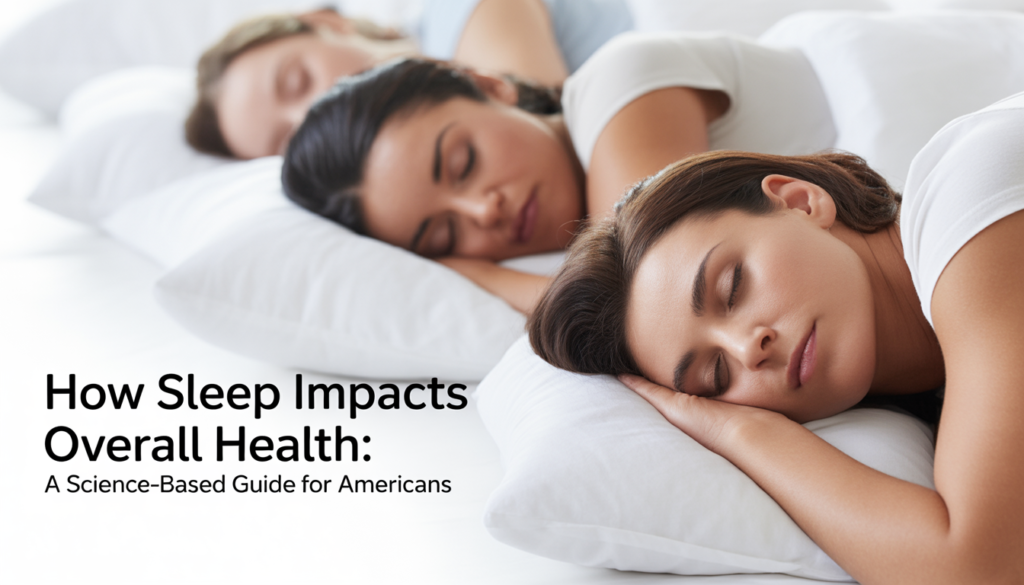
According to the Centers for Disease Control and Prevention, adults need at least 7 hours of sleep per night, yet about 1 in 3 Americans report not getting enough rest.
Let’s explore how sleep truly impacts overall health—based on science.
1. Sleep and Brain Function
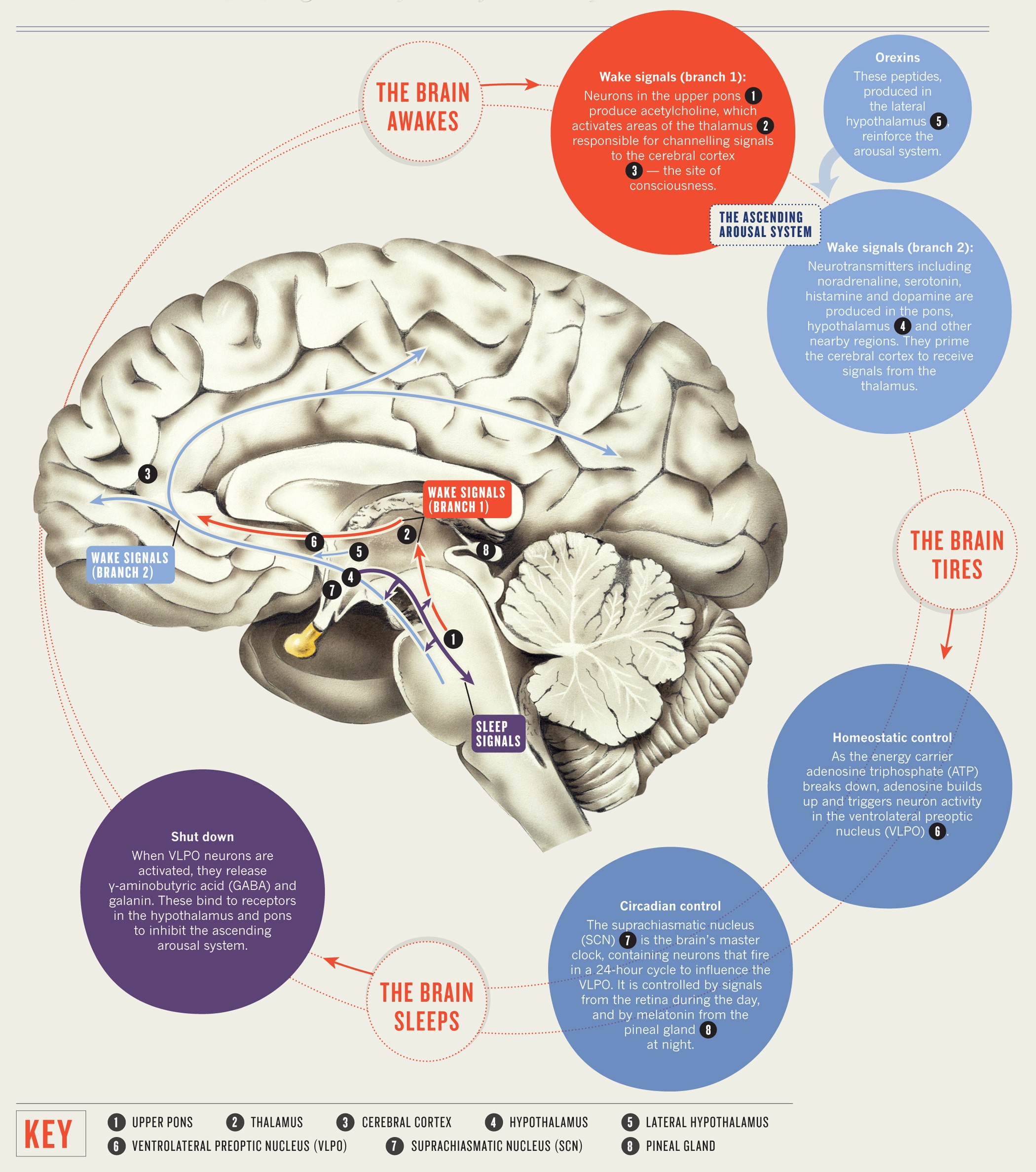
Sleep allows the brain to reset and restore.
During Sleep, the Brain:
- Consolidates memories
- Processes emotions
- Removes metabolic waste
- Restores neurotransmitter balance
The National Institute of Neurological Disorders and Stroke explains that deep sleep stages are essential for memory formation and cognitive performance.
Sleep deprivation may lead to:
- Poor concentration
- Mood swings
- Increased anxiety
- Reduced decision-making ability
2. Sleep and Heart Health
Insufficient sleep increases the risk of:
- High blood pressure
- Heart disease
- Stroke
- Irregular heart rhythms
The American Heart Association recognizes sleep as a critical component of cardiovascular health.
When you sleep, your heart rate and blood pressure naturally drop—giving your cardiovascular system time to recover.
Chronic short sleep can increase inflammation and stress hormones, which strain the heart over time.
3. Sleep and Immune Function


Sleep strengthens immune defense.
During deep sleep, the body produces cytokines—proteins that help fight infection and inflammation.
Poor sleep may:
- Increase susceptibility to colds
- Slow recovery from illness
- Reduce vaccine effectiveness
Consistent, high-quality sleep supports immune resilience.
4. Sleep and Weight Management
Sleep influences hormones that control hunger.
Lack of sleep:
- Increases ghrelin (hunger hormone)
- Decreases leptin (satiety hormone)
- Increases cravings for high-calorie foods
Studies show that sleep-deprived adults are more likely to experience weight gain and obesity.
Sleep also affects insulin sensitivity—important for blood sugar control.
5. Sleep and Mental Health
There is a strong connection between sleep and emotional health.
Insufficient sleep increases risk of:
- Depression
- Anxiety disorders
- Irritability
- Emotional instability
Healthy sleep improves mood regulation and stress resilience.
Mental health professionals increasingly emphasize sleep hygiene as a foundation for emotional stability.
6. Sleep and Hormonal Balance
Sleep regulates critical hormones such as:
- Cortisol (stress hormone)
- Growth hormone
- Melatonin
- Reproductive hormones
Chronic sleep disruption may contribute to:
- Fertility issues
- Hormonal imbalance
- Increased stress levels
Quality sleep supports overall endocrine health.
7. Sleep and Productivity
Americans often equate less sleep with higher productivity—but science says otherwise.
Sleep improves:
- Focus
- Creativity
- Reaction time
- Problem-solving skills
Sleep deprivation leads to:
- Workplace errors
- Lower efficiency
- Increased accident risk
Rested individuals perform better both mentally and physically.
8. How Much Sleep Do Americans Need?
The American Academy of Sleep Medicine recommends:
- Adults (18–60 years): 7+ hours
- Adults (61–64 years): 7–9 hours
- Adults (65+ years): 7–8 hours
Quality matters just as much as quantity.
9. Signs You’re Not Getting Enough Sleep
- Daytime fatigue
- Frequent yawning
- Difficulty concentrating
- Irritability
- Falling asleep quickly when sitting quietly
If these symptoms persist, consult a healthcare provider.
10. Science-Backed Tips for Better Sleep
1. Maintain a Consistent Schedule
Go to bed and wake up at the same time daily.
2. Reduce Screen Time Before Bed
Blue light suppresses melatonin production.
3. Limit Caffeine After 2 PM
Caffeine can stay in your system for 6–8 hours.
4. Keep Bedroom Cool and Dark
Optimal sleep temperature is around 60–67°F.
5. Create a Relaxing Bedtime Routine
Reading, journaling, or light stretching helps signal the brain to wind down.
The Long-Term Impact of Chronic Sleep Deprivation
Long-term insufficient sleep is associated with increased risk of:
- Type 2 diabetes
- Cardiovascular disease
- Obesity
- Alzheimer’s disease
- Weakened immunity
Sleep is preventive medicine.
In modern American culture, sleep is often sacrificed—but it should be prioritized.
Good sleep improves:
✔ Brain performance
✔ Heart health
✔ Immune strength
✔ Emotional balance
✔ Weight control
✔ Longevity
Your body repairs.
Your brain resets.
Your hormones rebalance.
All while you sleep.
Make sleep a non-negotiable part of your health strategy—not an afterthought.