
The skincare industry is entering a new era—one where glowing, healthy skin is no longer achieved through aggressive treatments alone. In 2026, dermatologists and consumers alike are embracing a smarter, more holistic philosophy: preparing the skin before cosmetic procedures and supporting recovery afterward with specialized skincare.
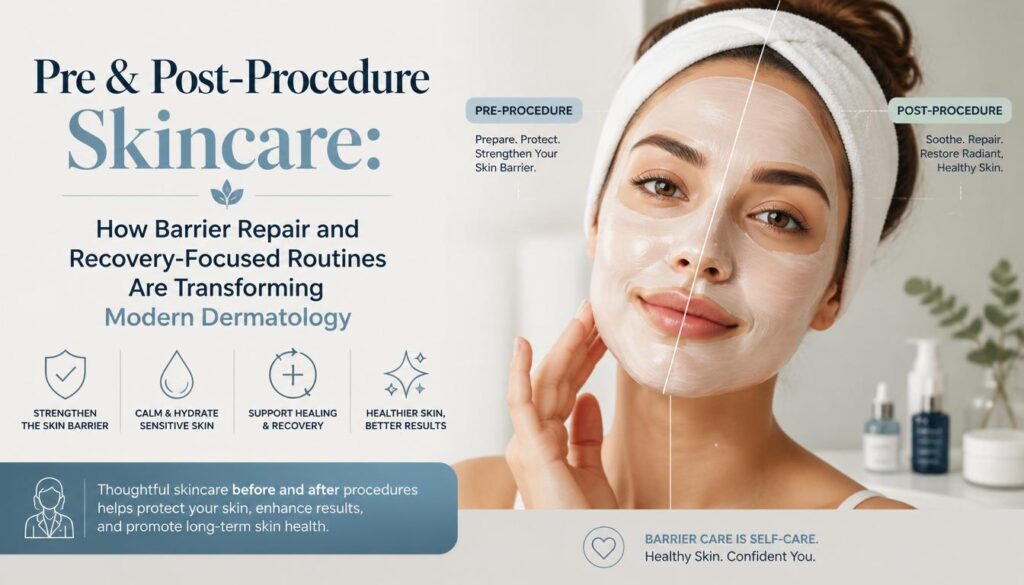
From lasers and microneedling to collagen-stimulating injectables and chemical peels, modern aesthetic treatments are increasingly paired with targeted pre- and post-procedure skincare routines designed to:
- Strengthen the skin barrier
- Reduce inflammation
- Speed up healing
- Improve treatment results
- Minimize downtime
- Support long-term tissue health
Experts say this trend reflects a broader shift toward regenerative and longevity-focused skincare. Instead of relying solely on intensive in-office procedures or heavy serums, consumers are prioritizing skin resilience, recovery, and prevention.
Dermatologists now recognize that what patients do before and after a procedure can dramatically impact:
- Healing speed
- Collagen production
- Skin sensitivity
- Pigmentation risks
- Treatment outcomes
This evolution has created an entirely new category within beauty: procedure-supportive skincare.
Why Pre- & Post-Procedure Skincare Matters More Than Ever
For years, cosmetic procedures were viewed as standalone treatments.
Patients would undergo:
- Laser resurfacing
- Microneedling
- Botox
- Fillers
- Radiofrequency treatments
- Chemical peels
and then simply wait for the skin to heal on its own.
Today, dermatologists understand that the skin’s condition before a treatment strongly influences how well it recovers afterward.
Healthy, well-prepared skin tends to:
- Heal faster
- Experience less irritation
- Retain hydration better
- Produce stronger collagen responses
- Show more consistent results
This is why barrier-focused skincare has become one of the most important trends in aesthetic dermatology.
The Shift From Aggressive Treatments to Skin Optimization
The beauty industry is moving away from harsh “no pain, no gain” skincare.
Consumers are becoming increasingly aware of:
- Skin barrier damage
- Over-exfoliation
- Chronic inflammation
- Sensitivity from excessive actives
Many people are now choosing gentler, recovery-focused approaches that prioritize skin health over dramatic short-term transformations.
Dermatologists say the goal is no longer simply to “treat” the skin.
Instead, the focus is on:
- Optimizing the skin environment
- Supporting tissue regeneration
- Enhancing collagen production naturally
- Maintaining long-term skin integrity
What Is Pre-Procedure Skincare?
Pre-procedure skincare refers to products and routines used before professional cosmetic treatments to prepare the skin for optimal healing and results.
This process is sometimes called:
- Skin priming
- Barrier preparation
- Skin conditioning
- Pre-treatment optimization
Experts say prepping the skin beforehand may help:
- Reduce inflammation
- Improve hydration
- Strengthen the barrier
- Minimize irritation
- Improve post-treatment recovery
Pre-procedure skincare is increasingly recommended before:
- Laser resurfacing
- Microneedling
- Chemical peels
- RF treatments
- Biostimulatory injectables
- PRP procedures
- Fractional lasers
What Is Post-Procedure Skincare?
Post-procedure skincare focuses on healing, calming, and protecting the skin after cosmetic treatments.
Following in-office procedures, the skin often becomes:
- Inflamed
- Sensitive
- Dehydrated
- Vulnerable to environmental damage
The primary goals of post-procedure skincare include:
- Accelerating recovery
- Reducing redness
- Supporting collagen repair
- Preventing infection
- Protecting the skin barrier
- Minimizing hyperpigmentation
Experts emphasize that improper aftercare can compromise results and even increase complications.
Why Skin Barrier Health Is the Foundation of Recovery
The skin barrier—also called the stratum corneum—is the outer protective layer of the skin.
It acts as a shield against:
- Pollution
- Bacteria
- UV damage
- Moisture loss
- Irritants
When the barrier is compromised, the skin becomes more reactive and heals more slowly.
Many dermatologists believe years of overusing:
- Acids
- Retinoids
- Scrubs
- Harsh cleansers
- Multi-step routines
have contributed to widespread barrier dysfunction among consumers.
As a result, barrier-repair skincare has become central to modern cosmetic dermatology.
The Rise of Recovery-Focused Skincare
Recovery skincare is now one of the fastest-growing beauty categories in the United States.
Consumers increasingly want products that:
- Support healing
- Calm inflammation
- Reduce downtime
- Improve treatment results
- Strengthen skin resilience
According to dermatologists, this movement is heavily influenced by regenerative medicine and skin longevity science.
Popular recovery-focused ingredients include:
- Peptides
- Ceramides
- Growth factors
- Panthenol
- Exosomes
- Niacinamide
- Hyaluronic acid
- Thermal spring water
Best Ingredients for Pre-Procedure Skincare
Modern dermatology increasingly recommends supportive ingredients before treatments.
1. Peptides
Peptides help support fibroblast activity and collagen production.
Experts say peptide-based products may improve the skin’s readiness before procedures like:
- Fraxel
- Microneedling
- Sculptra
- RF treatments
Benefits may include:
- Improved elasticity
- Better hydration
- Reduced inflammation
- Enhanced recovery response
2. Ceramides
Ceramides are essential lipids naturally found in the skin barrier.
They help:
- Retain moisture
- Reduce irritation
- Strengthen barrier integrity
Barrier-repair moisturizers rich in ceramides are now considered foundational in pre-treatment skincare.
3. Hyaluronic Acid
Hyaluronic acid supports hydration and helps maintain skin plumpness.
Hydrated skin often tolerates cosmetic procedures more effectively.
4. Niacinamide
Niacinamide helps:
- Calm redness
- Improve barrier function
- Reduce irritation
- Regulate oil production
Many dermatologists recommend low-to-moderate concentrations before procedures.
5. Growth Factors
Growth factors are increasingly used to prepare skin for regenerative treatments.
Experts say these ingredients may help:
- Enhance skin communication
- Support collagen synthesis
- Improve tissue resilience
Ingredients to Avoid Before Procedures
Certain products can increase irritation or sensitivity before cosmetic treatments.
Experts often recommend avoiding:
- Retinoids
- Strong exfoliating acids
- Benzoyl peroxide
- Physical scrubs
- High-strength vitamin C
- Harsh cleansers
especially in the days leading up to procedures like lasers or peels.
Best Ingredients for Post-Procedure Recovery
After treatments, skincare should focus on calming and rebuilding rather than aggressively treating concerns.
1. Panthenol
Panthenol (vitamin B5) helps:
- Soothe irritation
- Support healing
- Reduce redness
- Improve moisture retention
2. Thermal Water
Thermal spring water sprays are often used to calm inflammation and reduce heat after laser procedures.
3. Exosomes
Exosome skincare is becoming increasingly popular in post-procedure recovery.
Experts believe exosomes may help:
- Accelerate healing
- Reduce inflammation
- Support collagen remodeling
- Improve recovery after microneedling and lasers
4. Growth Factors
Growth factor serums are frequently recommended after:
- Fractional lasers
- Microneedling
- RF treatments
They may support:
- Tissue regeneration
- Barrier repair
- Cellular communication
5. Occlusive Moisturizers
Post-treatment skin often requires stronger moisturizers to prevent excessive water loss.
Ingredients like:
- Petrolatum
- Squalane
- Shea butter
- Ceramides
help maintain hydration during healing.
Why Simplified Routines Work Better After Procedures
One of the biggest misconceptions in skincare is that more products equal faster healing.
In reality, dermatologists increasingly recommend extremely simplified routines post-procedure.
A typical recovery routine may include only:
- Gentle cleanser
- Barrier-repair moisturizer
- Healing serum
- Sunscreen
Experts warn that layering too many actives can worsen:
- Redness
- Burning
- Sensitivity
- Barrier damage
The Growing Popularity of Procedure-Specific Skincare
Brands are now developing products specifically designed for:
- Laser recovery
- Injectable prep
- Post-peel healing
- Microneedling recovery
- Barrier support
Dermatologists increasingly recommend medical-grade skincare lines because they are formulated specifically for compromised skin.
This category is expected to expand significantly as regenerative aesthetics continue growing.
How LED Therapy Supports Recovery
LED light therapy is becoming a major part of post-procedure skincare.
Red and near-infrared wavelengths may help:
- Reduce inflammation
- Stimulate collagen production
- Improve circulation
- Accelerate healing
Experts increasingly combine LED therapy with:
- Microneedling
- PRP
- Exosomes
- Growth factors
- Biostimulatory treatments
The Connection Between Skin Longevity and Procedure Prep
Modern skincare is increasingly influenced by longevity science.
Instead of focusing only on reversing visible aging, consumers now want to preserve:
- Skin function
- Collagen quality
- Tissue resilience
- Barrier health
Pre- and post-procedure skincare aligns perfectly with this philosophy because it prioritizes:
- Prevention
- Healing
- Regeneration
- Sustainable skin health
What Dermatologists Recommend Most
Experts consistently emphasize several core principles for healthy recovery:
Keep It Simple
Overcomplicated routines often increase irritation.
Prioritize SPF
Post-procedure skin is highly vulnerable to UV damage and hyperpigmentation.
Daily sunscreen is essential.
Hydrate Aggressively
Hydration supports healing and barrier repair.
Avoid Over-Exfoliation
Aggressive acids and scrubs can delay recovery.
Follow Professional Guidance
Recovery needs vary based on:
- Skin type
- Procedure intensity
- Medical history
- Existing sensitivities
The Future of Recovery Skincare
Experts predict the next generation of skincare will become even more personalized and treatment-focused.
Emerging innovations include:
- AI-guided recovery tracking
- Personalized barrier analysis
- Exosome-enhanced healing creams
- Smart LED recovery devices
- Regenerative peptide systems
- Post-procedure microbiome care
- Advanced collagen-support serums
Technology and dermatology are increasingly merging to create more customized skincare experiences.
Why Consumers Are Embracing Recovery-First Skincare
Online skincare communities increasingly support simpler, barrier-focused routines. Many users report healthier skin after reducing excessive actives and focusing on recovery instead.
Consumers are realizing that:
- Healthy skin heals better
- Strong barriers age better
- Consistency matters more than intensity
- Prevention often outperforms correction
Final Thoughts
Pre- and post-procedure skincare is transforming modern dermatology.
Today’s aesthetic philosophy is no longer centered solely on performing treatments—it’s about preparing the skin beforehand, supporting healing afterward, and protecting long-term skin health throughout the process.
As regenerative and longevity-focused skincare continue growing, recovery-first routines are becoming just as important as the procedures themselves.
The future of skincare isn’t about punishing the skin with aggressive treatments.
It’s about strengthening, supporting, and helping the skin function at its healthiest level for years to come.