
A healthy mouth is more than just a bright smile—it’s a foundation for overall health. In the United States, oral health is closely linked to heart disease, diabetes, and respiratory conditions. According to the Centers for Disease Control and Prevention, nearly half of adults aged 30 and older show signs of gum disease.
A consistent morning oral care routine protects your teeth, gums, and tongue while preventing bad breath and long-term dental problems. Let’s break down the science-backed steps for optimal mouth health.
Step 1: Drink Water First Thing in the Morning

After 6–8 hours of sleep, your mouth becomes dry. Saliva production decreases overnight, allowing bacteria to multiply.
Drinking water:
- Washes away loose bacteria
- Stimulates saliva production
- Freshens breath naturally
- Rehydrates oral tissues
Hydration supports overall oral balance before brushing.
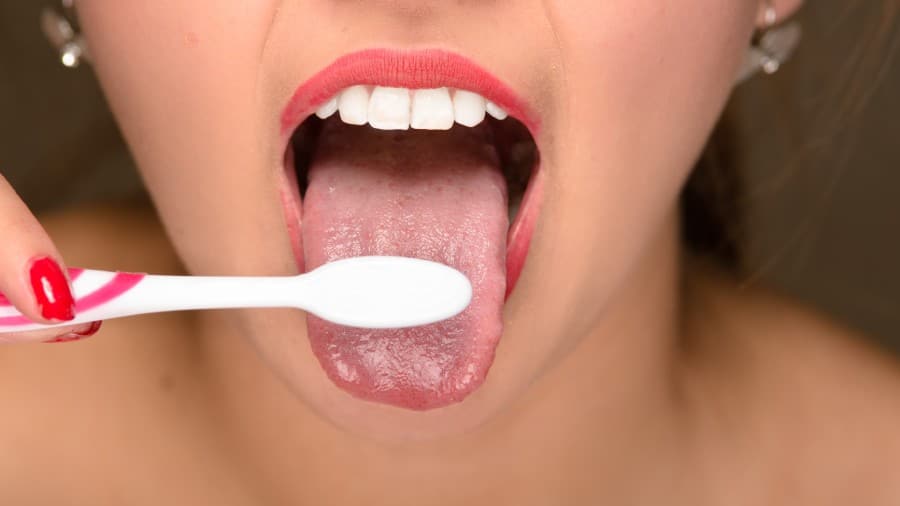
Step 2: Clean Your Tongue (Very Important)

The tongue harbors bacteria that cause bad breath and plaque buildup.
The American Dental Association recommends gentle tongue cleaning as part of oral hygiene.
Use:
- A tongue scraper, or
- The back of your toothbrush
Benefits:
- Reduces odor-causing bacteria
- Improves taste sensitivity
- Lowers plaque formation
Gently scrape from back to front 2–3 times.
Step 3: Brush Your Teeth Properly (2 Minutes Minimum)
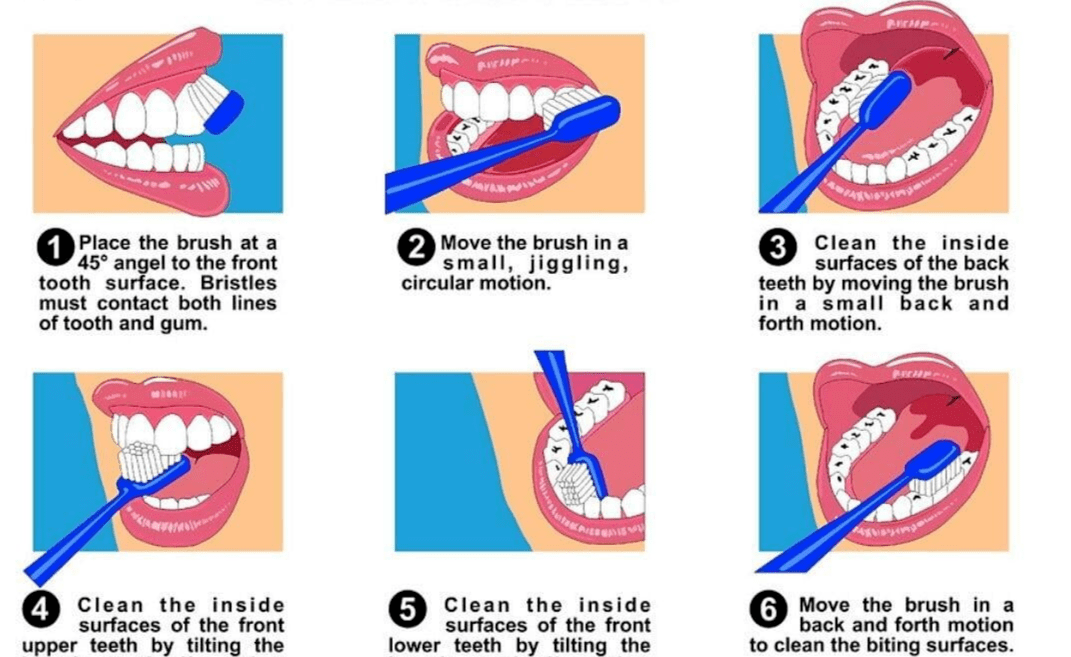
Brushing removes plaque, the sticky film of bacteria that causes cavities and gum disease.
Brushing Tips:
- Use a soft-bristled toothbrush
- Hold at a 45-degree angle toward gums
- Use gentle circular motions
- Brush for at least 2 minutes
- Don’t forget back teeth
Fluoride toothpaste strengthens enamel and prevents decay.
Replace your toothbrush every 3–4 months.
Step 4: Floss Before or After Brushing
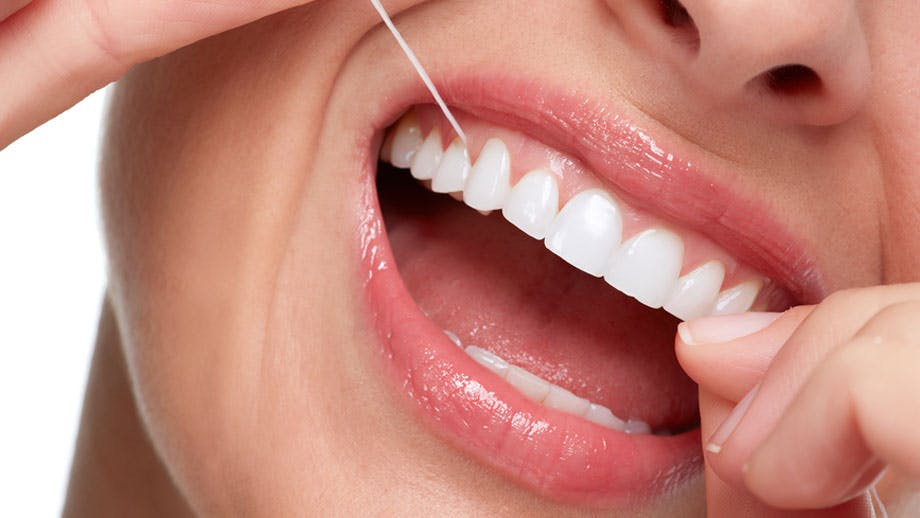
Flossing removes food particles and plaque between teeth where brushes can’t reach.
Daily flossing:
- Prevents cavities between teeth
- Reduces gum inflammation
- Lowers risk of periodontal disease
Bleeding gums may indicate inflammation—consistent flossing usually improves this within a week.
Step 5: Use an Antibacterial Mouthwash (Optional but Helpful)
Mouthwash can:
- Reduce bacteria
- Freshen breath
- Strengthen enamel (if fluoride-based)
Avoid alcohol-heavy formulas if you experience dry mouth.
Swish for 30–60 seconds after brushing and flossing.
Step 6: Avoid Sugary Breakfast Immediately After Brushing
Acidic or sugary foods weaken enamel temporarily.
If consuming:
- Coffee
- Orange juice
- Citrus fruits
Wait at least 30 minutes before brushing again to avoid enamel damage.
Why Morning Oral Care Matters
Poor oral hygiene is linked to:
- Heart disease
- Type 2 diabetes
- Respiratory infections
- Pregnancy complications
Inflammation in the gums can allow bacteria to enter the bloodstream.
Oral health is whole-body health.
Signs You Need Better Oral Care
- Persistent bad breath
- Bleeding gums
- Tooth sensitivity
- White coating on tongue
- Gum recession
If symptoms persist, consult a licensed dentist.
Bonus: Healthy Habits for Stronger Teeth
✔ Limit sugary snacks
✔ Chew sugar-free gum to stimulate saliva
✔ Avoid smoking
✔ Visit dentist twice per year
✔ Stay hydrated throughout the day
A 5–7 minute morning oral routine can prevent years of dental problems.
Your mouth is the gateway to your body.
Healthy teeth =
✔ Better digestion
✔ Fresh breath
✔ Lower disease risk
✔ Greater confidence
Start your day clean, fresh, and protected.
Your future smile depends on today’s habits.