Colds and coughs are among the most common illnesses in America. Most are caused by viruses and improve within 7–10 days. While there’s no instant cure for the common cold, you can relieve symptoms, recover faster, and protect your lung health with the right approach.
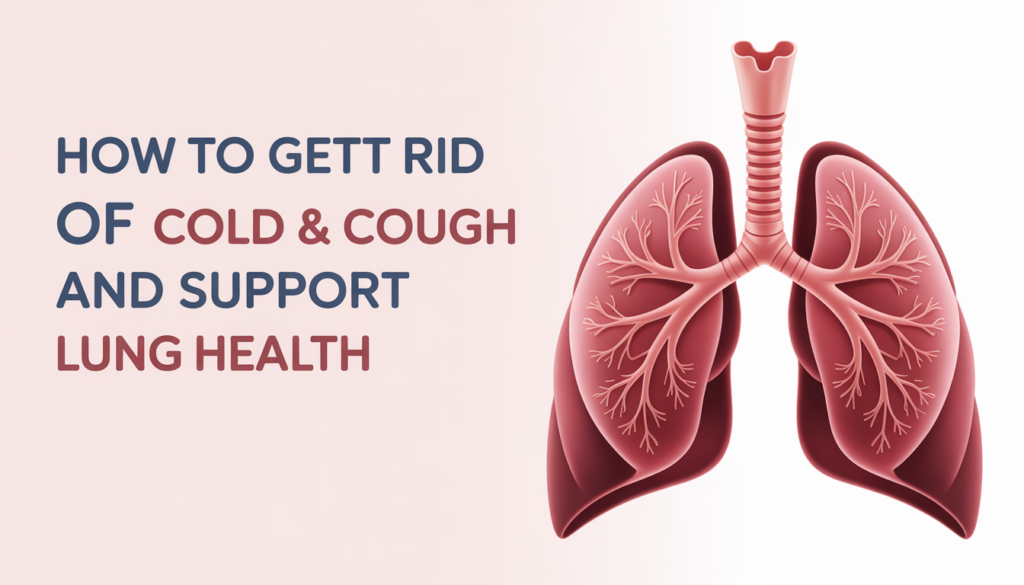
According to the Centers for Disease Control and Prevention, adults typically experience 2–3 colds per year. Understanding how to manage symptoms safely is key.
1. What Causes Cold & Cough?
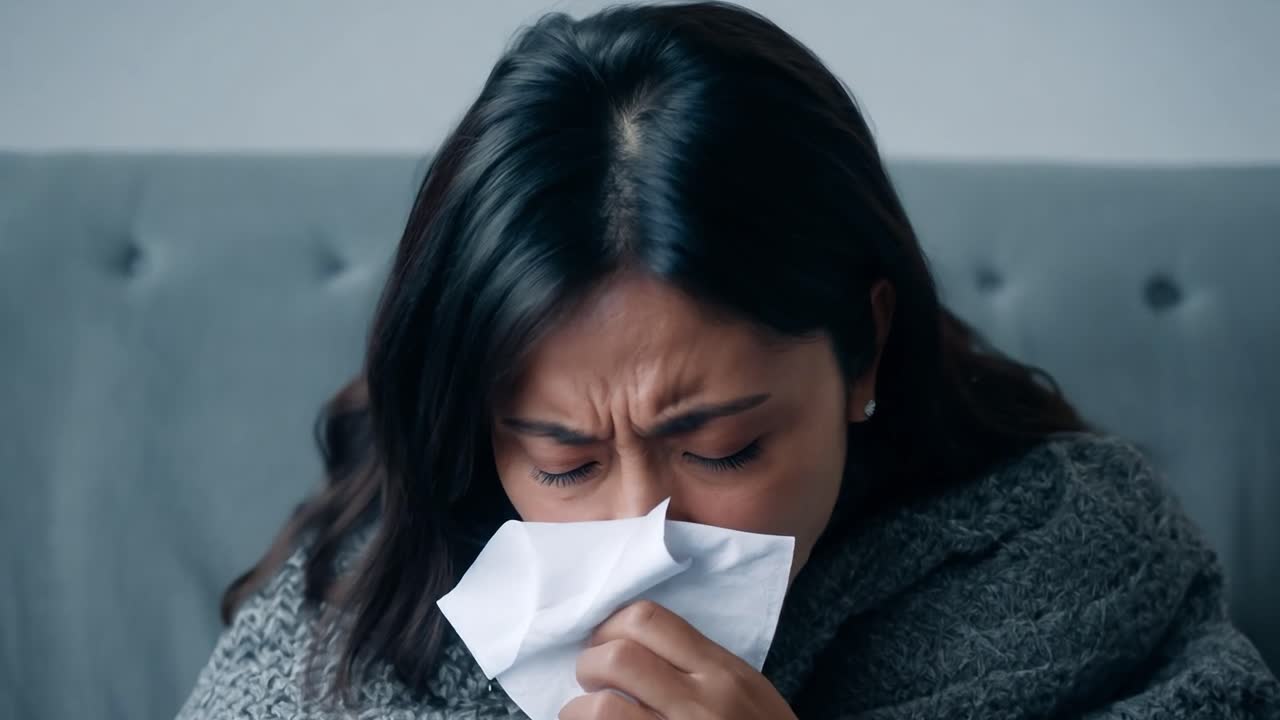
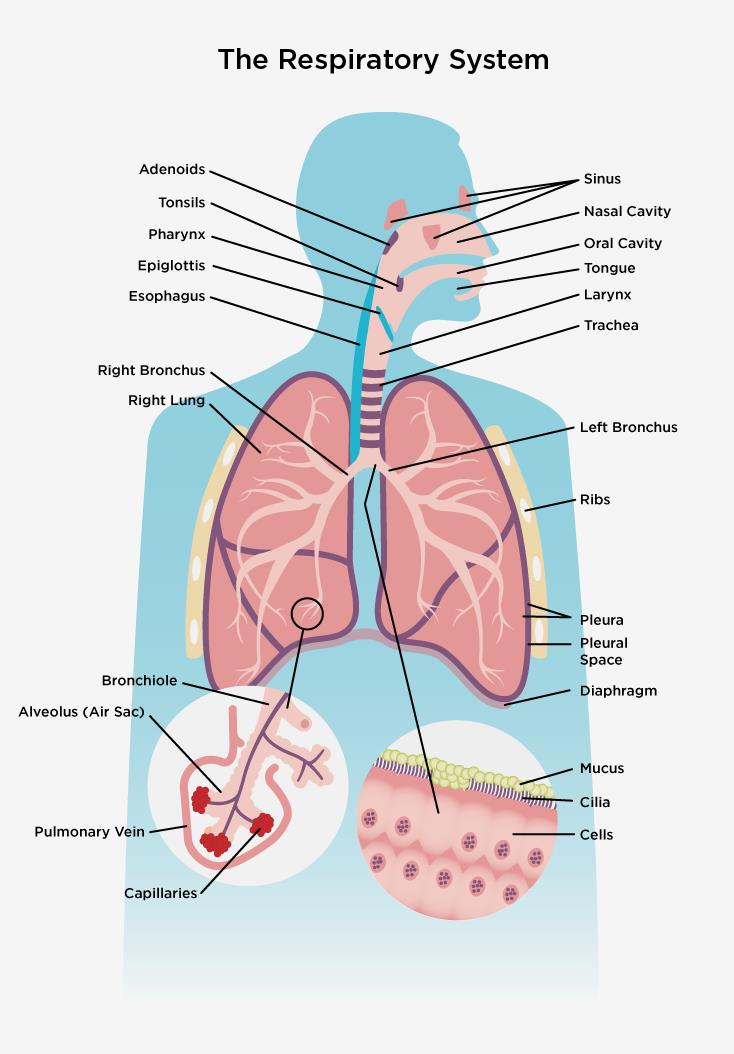
Most colds are caused by viruses (such as rhinoviruses). A cough may occur due to:
- Postnasal drip
- Throat irritation
- Lung inflammation
- Viral bronchitis
If symptoms last longer than 2–3 weeks or worsen, medical evaluation is important.
2. Immediate Steps to Relieve Cold & Cough
✔ Rest and Hydrate
Rest helps your immune system fight infection.
Drink:
- Warm water
- Herbal teas
- Clear broths
- Electrolyte fluids
Hydration thins mucus, making it easier to clear from airways.
✔ Steam Inhalation
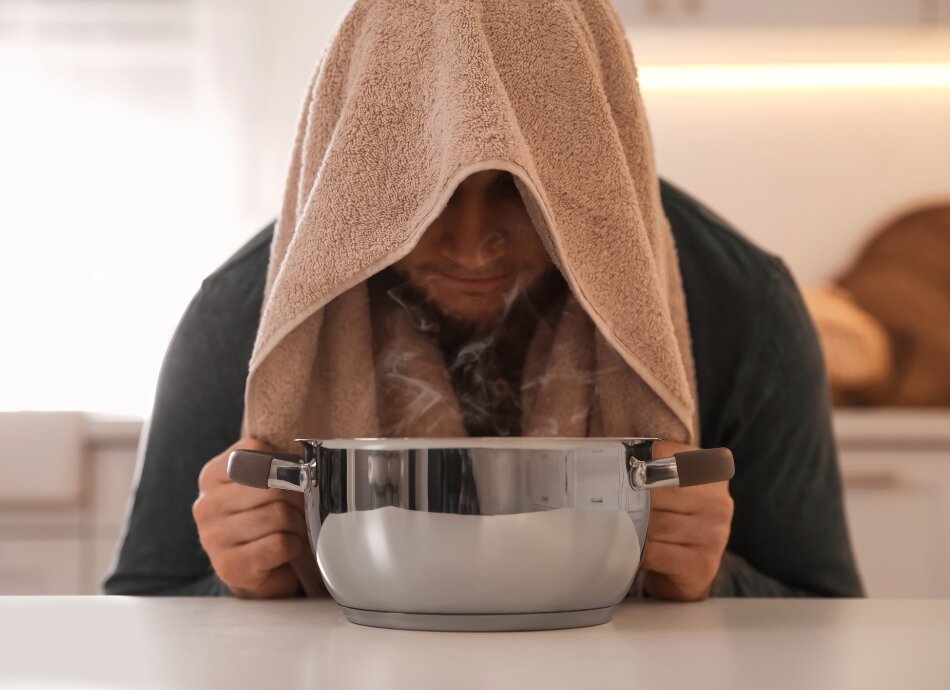
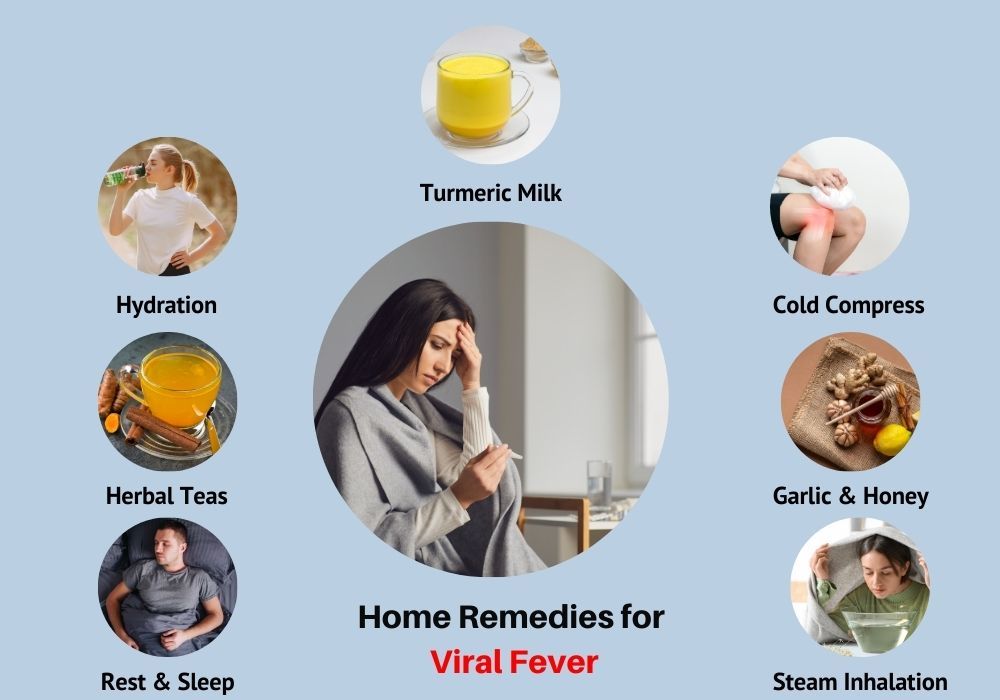

Steam helps:
- Loosen mucus
- Open nasal passages
- Ease chest congestion
Use a humidifier or inhale steam safely for 5–10 minutes.
✔ Honey for Cough
For adults and children over 1 year old, honey can soothe throat irritation and reduce coughing.
Research shows honey may be as effective as some over-the-counter cough medicines for mild symptoms.
✔ Salt Water Gargle
Gargling warm salt water:
- Reduces throat inflammation
- Helps clear mucus
- Relieves soreness
Do this 2–3 times daily.
3. Over-the-Counter Options (When Needed)
You may consider:
- Decongestants (for nasal blockage)
- Cough suppressants (for dry cough)
- Expectorants (for chest mucus)
- Acetaminophen or ibuprofen (for fever and body aches)
Always follow dosage instructions and consult a pharmacist or doctor if unsure.
4. Supporting Lung Health During Recovery
Your lungs need extra care during illness.
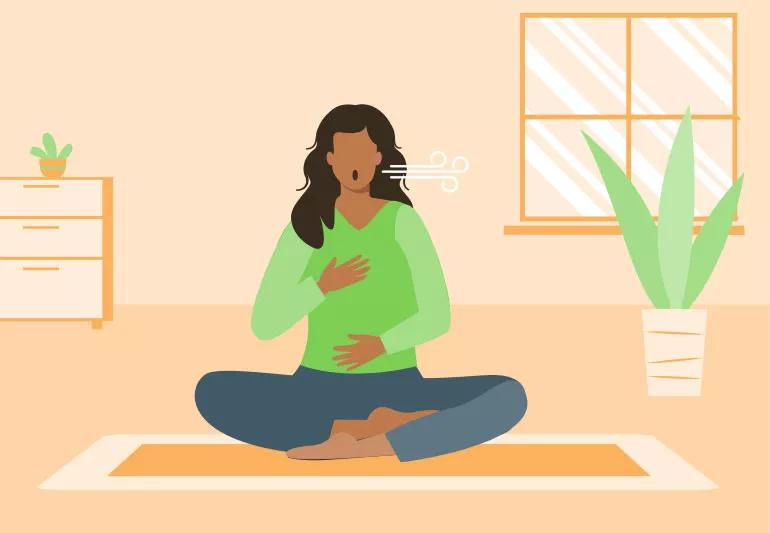
Practice Deep Breathing
Slow, deep breathing exercises:
- Expand lung capacity
- Prevent mucus buildup
- Improve oxygen flow
Try inhaling for 4 seconds, holding for 4 seconds, exhaling for 6 seconds.
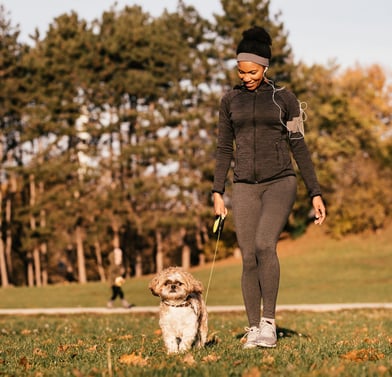
Stay Active (Light Movement)
Once fever subsides, light walking improves circulation and lung function.
Avoid intense exercise until fully recovered.
Avoid Smoking and Secondhand Smoke
Smoking delays recovery and irritates lung tissue. Even short-term avoidance supports healing.
The American Lung Association strongly emphasizes avoiding tobacco exposure for respiratory health.
5. Strengthen Your Immune System
✔ Balanced Diet
Eat foods rich in:
- Vitamin C (citrus, berries)
- Zinc (nuts, seeds)
- Protein (lean meats, legumes)
- Leafy greens
✔ Sleep 7–9 Hours
Sleep enhances immune response and recovery.
✔ Stay Vaccinated
Flu and COVID-19 vaccines reduce risk of severe respiratory illness.
6. When to See a Doctor
Seek medical care if you experience:
- Fever above 102°F
- Chest pain
- Shortness of breath
- Wheezing
- Persistent cough beyond 3 weeks
- Thick green or bloody mucus
- Symptoms in elderly adults or children
Chronic cough may signal asthma, pneumonia, or other lung conditions.
7. Preventing Future Colds & Protecting Lung Health
✔ Wash hands frequently
✔ Avoid touching face
✔ Maintain indoor air quality
✔ Exercise regularly
✔ Stay hydrated
✔ Manage allergies
✔ Quit smoking
Healthy lungs support overall vitality and long-term wellness.
8. Natural Lung-Supporting Habits
- Practice diaphragmatic breathing
- Maintain good posture
- Use air purifiers if needed
- Spend time outdoors in clean air
Small daily habits strengthen respiratory function.
Most colds and coughs are mild and self-limiting. Recovery depends on:
✔ Rest
✔ Hydration
✔ Symptom relief
✔ Lung support
✔ Immune care
Your lungs work continuously to keep you alive—protecting them should be a priority year-round.
If symptoms feel severe or unusual, do not delay medical evaluation.