Stress has become one of the most common health concerns in modern life. Work pressure, financial responsibilities, family obligations, and digital overload can all contribute to chronic stress. While occasional stress is a normal part of life, long-term stress can negatively impact both mental and physical health.
According to the American Psychological Association, chronic stress is linked to conditions such as heart disease, anxiety disorders, depression, and weakened immune function.
The good news is that research-backed stress management techniques can significantly improve overall health and quality of life. In this article, we explore science-based strategies that help reduce stress and promote long-term well-being.
Understanding Stress and Its Impact on Health
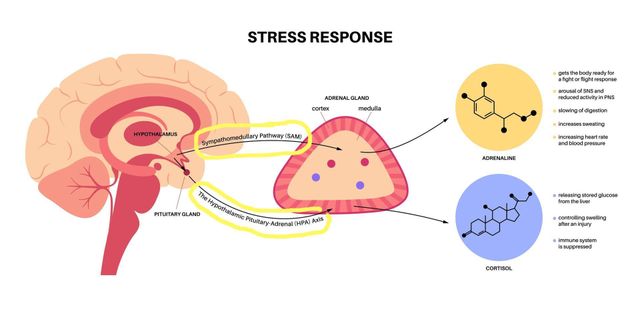
Stress triggers the body’s “fight-or-flight” response, releasing hormones such as cortisol and adrenaline. These hormones help the body respond to immediate threats, but prolonged exposure can lead to serious health problems.
Common symptoms of chronic stress include:
- Fatigue
- Headaches
- Sleep disturbances
- Digestive problems
- Difficulty concentrating
- Anxiety and irritability
The National Institute of Mental Health notes that unmanaged stress can also increase the risk of mental health disorders.
Learning how to manage stress effectively is therefore essential for maintaining both physical and emotional health.
1. Mindfulness Meditation

Mindfulness meditation is one of the most widely studied stress reduction techniques. It involves focusing attention on the present moment while calmly acknowledging thoughts and feelings without judgment.
Scientific studies show that regular meditation can:
- Lower cortisol levels
- Improve emotional regulation
- Reduce symptoms of anxiety and depression
- Improve concentration and mental clarity
Even 10–15 minutes of meditation daily can produce noticeable benefits.

2. Regular Physical Exercise

Exercise is one of the most effective natural stress relievers. Physical activity stimulates the production of endorphins, often called “feel-good hormones.”
Benefits of exercise for stress management include:
- Reduced anxiety
- Improved sleep quality
- Enhanced mood
- Increased energy levels
The Centers for Disease Control and Prevention recommends at least 150 minutes of moderate physical activity per week for adults.
Activities such as walking, cycling, yoga, or swimming can all contribute to stress reduction.
3. Deep Breathing and Relaxation Techniques
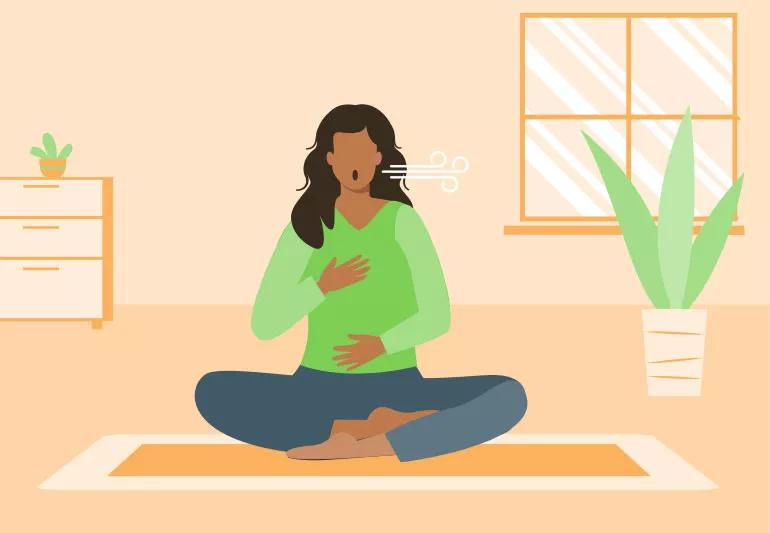


Breathing exercises are simple yet powerful tools for calming the nervous system.
One popular method is diaphragmatic breathing, which involves slow, deep breaths that activate the body’s relaxation response.
Benefits include:
- Lower heart rate
- Reduced muscle tension
- Improved oxygen flow
- Decreased stress hormone levels
A simple breathing technique:
- Inhale slowly through the nose for four seconds
- Hold the breath for four seconds
- Exhale slowly through the mouth for six seconds
Practicing this exercise for a few minutes can quickly calm the mind and body.
4. Healthy Sleep Habits


Sleep plays a critical role in stress regulation. Poor sleep can increase irritability, reduce emotional resilience, and worsen stress levels.
Adults should aim for 7–9 hours of quality sleep per night.
Helpful sleep habits include:
- Maintaining a consistent sleep schedule
- Avoiding screens before bedtime
- Creating a quiet and comfortable sleep environment
- Limiting caffeine late in the day
Good sleep hygiene helps restore the body and improve mental well-being.
5. Strong Social Connections


Humans are naturally social beings. Positive relationships provide emotional support during stressful times.
Research shows that social support can:
- Reduce anxiety and depression
- Improve resilience to stress
- Increase feelings of belonging and happiness
Spending time with family, friends, or supportive communities can significantly improve mental health.
6. Healthy Nutrition for Stress Management
Diet also plays an important role in managing stress.
Foods that support stress resilience include:
- Fruits and vegetables
- Whole grains
- Lean proteins
- Omega-3 fatty acids (fish, walnuts)
- Nuts and seeds
Limiting processed foods, excessive sugar, and high caffeine intake may help stabilize mood and energy levels.
Balanced nutrition supports both brain function and emotional well-being.
7. Time Management and Work-Life Balance
Poor time management is a major contributor to daily stress.
Strategies for better balance include:
- Prioritizing important tasks
- Setting realistic goals
- Taking regular breaks
- Avoiding multitasking overload
Learning to manage time effectively can help reduce feelings of overwhelm and improve productivity.
When to Seek Professional Help
While lifestyle strategies are highly effective, some individuals may need professional support.
Consider speaking with a healthcare provider or mental health professional if you experience:
- Persistent anxiety or sadness
- Severe fatigue or burnout
- Difficulty sleeping for long periods
- Loss of interest in daily activities
Early intervention can prevent more serious mental health issues from developing.
Stress is an unavoidable part of life, but how we respond to stress makes a significant difference in our health and well-being.
By incorporating science-backed stress management techniques—such as mindfulness meditation, regular exercise, healthy sleep habits, and strong social connections—individuals can significantly improve their mental and physical health.
Taking small steps each day to manage stress can lead to greater resilience, improved quality of life, and long-term wellness.
Prioritizing stress management isn’t just about feeling better today—it’s an investment in your future health.