
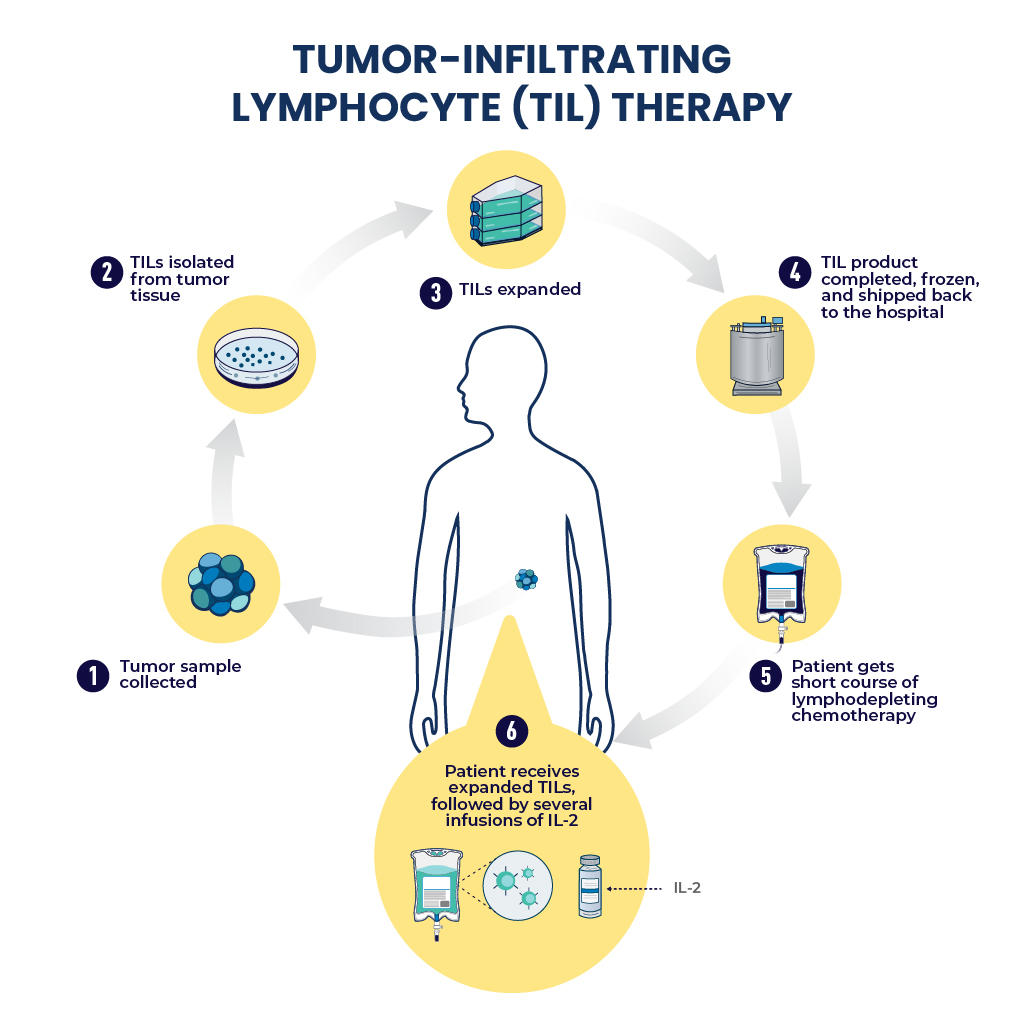
Cancer treatment has entered a groundbreaking era with the approval of Lifileucel, the first tumor-infiltrating lymphocyte (TIL) cellular therapy. This innovative treatment represents a major advancement in personalized cancer immunotherapy, offering new hope for patients with advanced cancers who have limited treatment options.
Approved by the U.S. Food and Drug Administration (FDA) in 2024, Lifileucel is designed to harness the power of a patient’s own immune system to fight cancer. By extracting and expanding immune cells that naturally attack tumors, doctors can reinfuse them to boost the body’s ability to destroy cancer cells.
In this article, we explore how Lifileucel works, who can benefit from it, and why it represents a major milestone in modern oncology.
What Is Lifileucel?
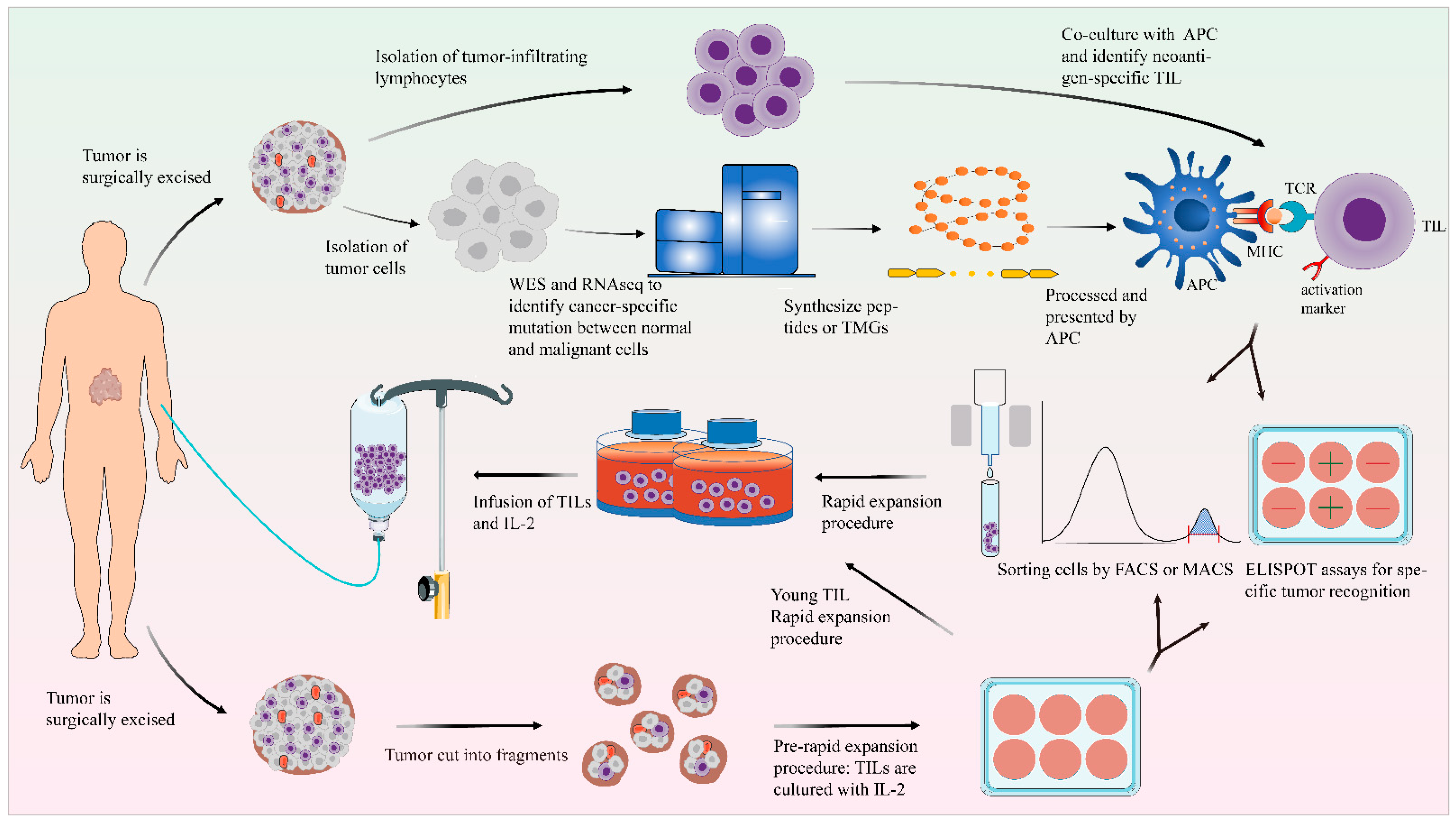
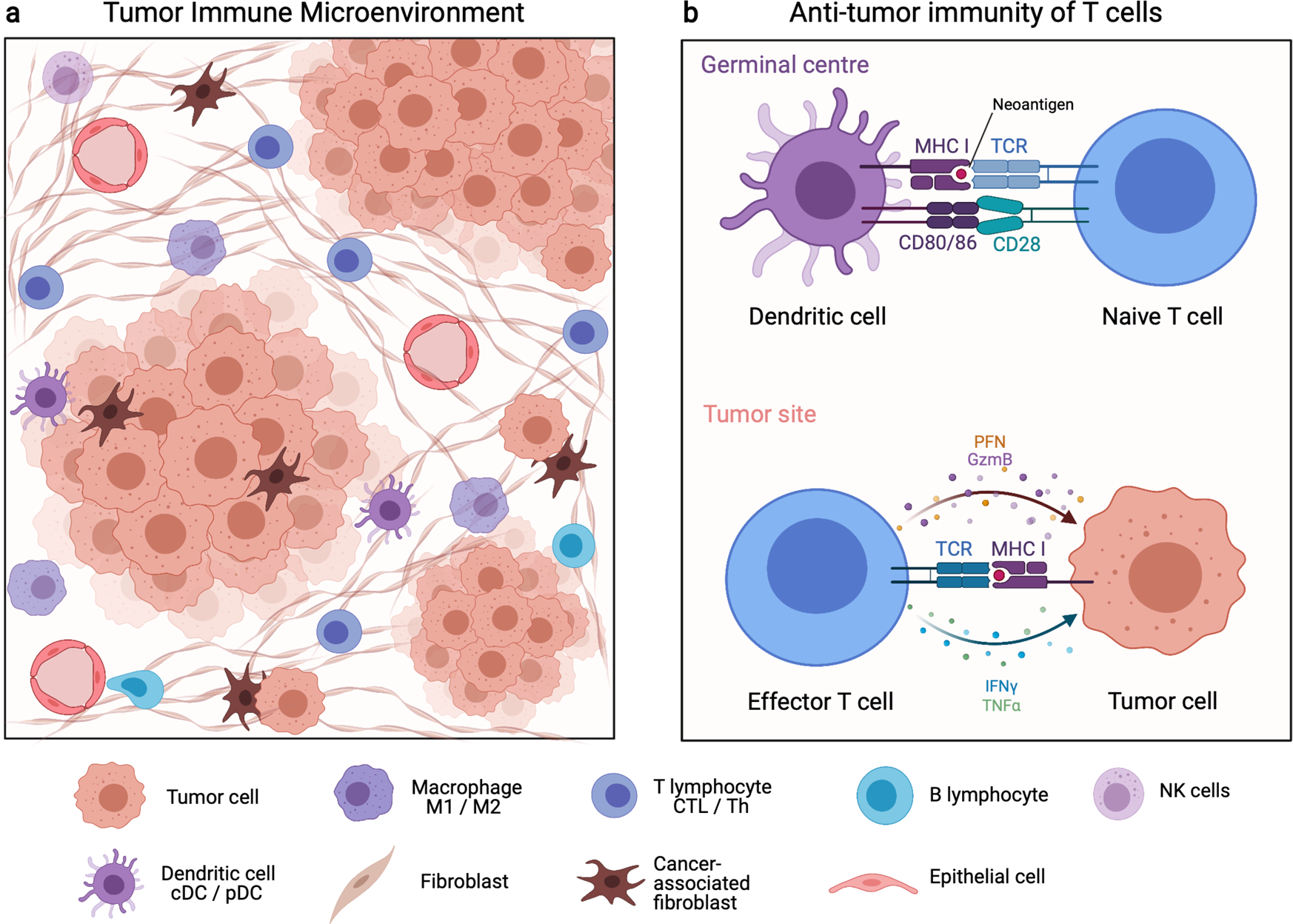
Lifileucel is a cell-based immunotherapy derived from tumor-infiltrating lymphocytes (TILs). These are immune cells that have already penetrated a tumor and are naturally trying to fight cancer.
Unlike traditional treatments such as chemotherapy or radiation, Lifileucel focuses on strengthening the body’s natural immune defenses.
Key Features
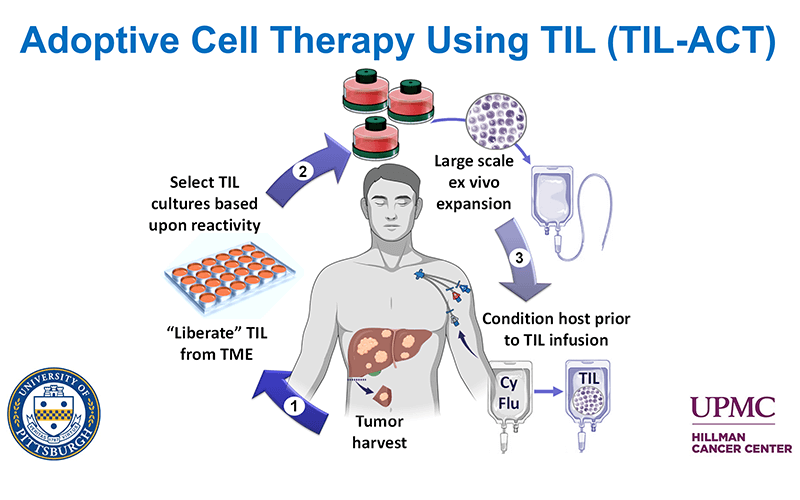
- Uses the patient’s own immune cells
- Targets tumors more precisely
- Designed for advanced or treatment-resistant cancers
- A personalized medicine approach
This therapy has been particularly studied for advanced melanoma, a serious form of skin cancer.
How Lifileucel Works
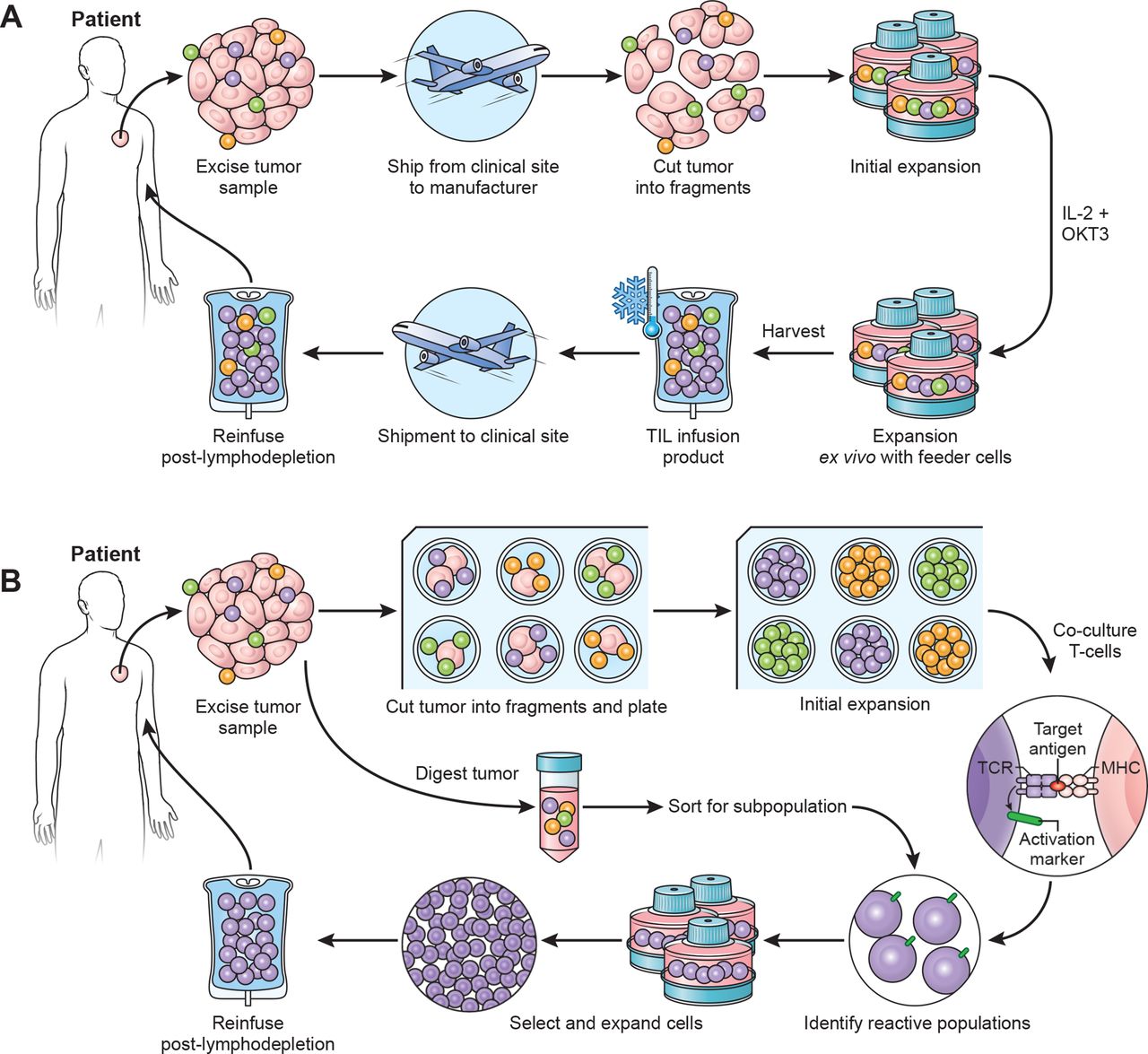

Lifileucel treatment involves several sophisticated steps that transform a patient’s immune cells into powerful cancer fighters.
Step 1: Tumor Sample Collection
Doctors surgically remove a small sample of the tumor from the patient.
Step 2: TIL Extraction
Scientists isolate tumor-infiltrating lymphocytes from the tumor tissue.
Step 3: Cell Expansion
These immune cells are grown and multiplied in a laboratory to create billions of cancer-fighting cells.
Step 4: Patient Preparation
The patient receives lymphodepleting chemotherapy to prepare the body for the new immune cells.
Step 5: Infusion
The expanded immune cells are infused back into the patient, where they begin targeting cancer cells.
Step 6: Immune Activation
Patients may receive immune-stimulating drugs to help the infused cells work more effectively.
Why Lifileucel Is a Breakthrough
Traditional cancer treatments can sometimes fail when tumors become resistant. Lifileucel offers several advantages that make it a promising therapy.
1. Personalized Treatment
Because the therapy uses a patient’s own immune cells, it is tailored specifically to that individual’s cancer.
2. Strong Immune Response
The therapy amplifies immune cells that are already capable of recognizing tumor cells.
3. Hope for Advanced Cancer
Lifileucel may help patients whose cancers have stopped responding to other therapies, including checkpoint inhibitors.
4. Long-Term Potential
Some patients may experience durable responses, meaning the treatment could control cancer for extended periods.
Who Can Benefit From Lifileucel?
Currently, Lifileucel is primarily approved for:
- Adults with advanced melanoma
- Patients whose cancer progressed after immunotherapy or targeted therapy
- Individuals with tumors that cannot be surgically removed
Doctors may consider this therapy for patients who have limited remaining treatment options.
Possible Side Effects
Like many advanced cancer therapies, Lifileucel can cause side effects due to immune activation and preparatory treatments.
Common Side Effects
- Fatigue
- Fever or chills
- Low blood cell counts
- Infection risk
- Nausea
Most side effects are related to the chemotherapy used before cell infusion, rather than the cells themselves.
Medical teams closely monitor patients during treatment to manage any complications.
The Future of Cellular Cancer Therapy

The approval of Lifileucel represents a major milestone in the evolution of cancer care. Researchers are now exploring TIL therapy for many other cancers, including:
- Lung cancer
- Cervical cancer
- Ovarian cancer
- Head and neck cancers
Advances in biotechnology and immunology may soon make cell-based therapies more accessible and effective for a wider range of patients.

Lifileucel marks a significant step forward in personalized cancer treatment. By leveraging the body’s own immune cells, this therapy opens new possibilities for patients battling advanced cancers.
While it is not a cure for everyone, Lifileucel demonstrates how immunotherapy and cellular medicine are reshaping the future of oncology.
As research continues, treatments like this could lead to more targeted, effective, and life-saving cancer therapies in the years ahead.