Mental health has become one of the most pressing public health concerns in the United States. In recent years, rising levels of stress, anxiety, depression, and substance use disorders have drawn attention from healthcare professionals, policymakers, and communities across the country. The mental health crisis affects people of all ages—from children and teenagers to working adults and seniors.

According to the National Institute of Mental Health, millions of Americans experience mental illness each year, yet many do not receive the care they need. Understanding the causes of this growing crisis and exploring practical solutions can help improve mental well-being nationwide.
Understanding the Mental Health Crisis in the United States

Mental health includes emotional, psychological, and social well-being. It influences how people think, feel, and behave in daily life. When mental health problems go untreated, they can affect relationships, work performance, physical health, and overall quality of life.
Recent reports from the Centers for Disease Control and Prevention indicate rising rates of depression, suicide, and substance misuse, especially among young adults and adolescents.
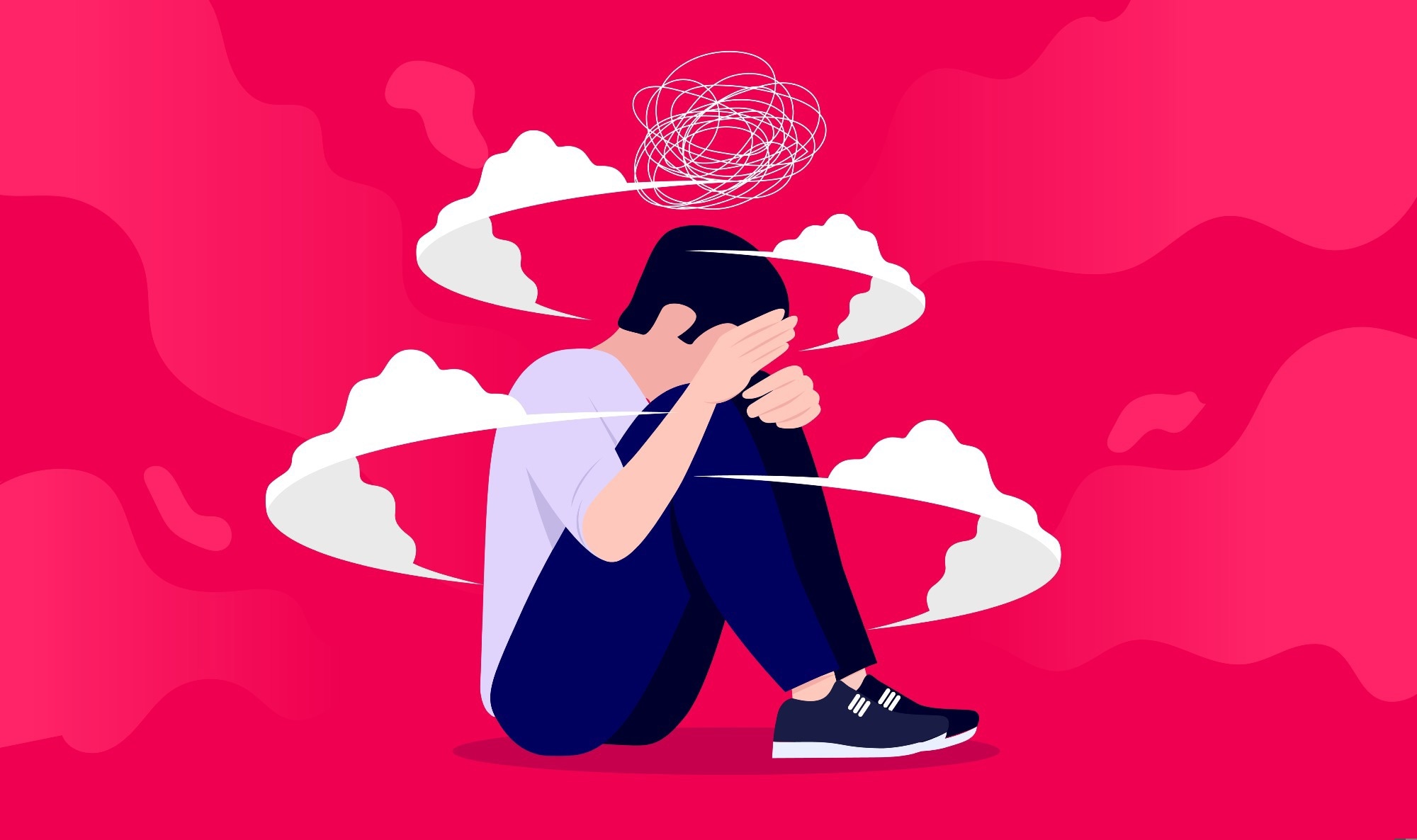
Some of the most common mental health conditions in the United States include:
- Anxiety disorders
- Major depressive disorder
- Post-traumatic stress disorder (PTSD)
- Bipolar disorder
- Substance use disorders
These conditions can vary in severity but often require professional treatment and ongoing support.
Major Causes of the Mental Health Crisis
Several factors contribute to the increasing mental health challenges faced by Americans today.
1. Social and Economic Stress
Financial pressures, job insecurity, rising living costs, and housing challenges can lead to chronic stress. Long-term financial strain can negatively affect emotional well-being and increase anxiety levels.
Economic instability often creates uncertainty about the future, which can worsen mental health symptoms.
2. Digital Overload and Social Media

Technology has transformed communication and information access, but excessive screen time and social media use can also affect mental health.
Studies suggest that heavy social media use may contribute to:
- Sleep disruption
- Low self-esteem
- Social comparison
- Increased anxiety and depression
Young people are particularly vulnerable to the psychological effects of online environments.
3. Limited Access to Mental Health Care
One of the biggest challenges in the United States is limited access to mental health services.
Barriers to care often include:
- High treatment costs
- Shortage of mental health professionals
- Long waiting times for appointments
- Limited insurance coverage
In rural areas especially, many individuals struggle to find nearby mental health providers.
4. Impact of Major Life Events and Trauma
Major life events such as loss, illness, divorce, or traumatic experiences can significantly affect emotional well-being.
Trauma-related mental health issues can lead to conditions such as:
- Post-traumatic stress disorder (PTSD)
- Depression
- Substance abuse
Early intervention and supportive therapy can help individuals recover from traumatic experiences.
5. The Effects of the COVID-19 Pandemic
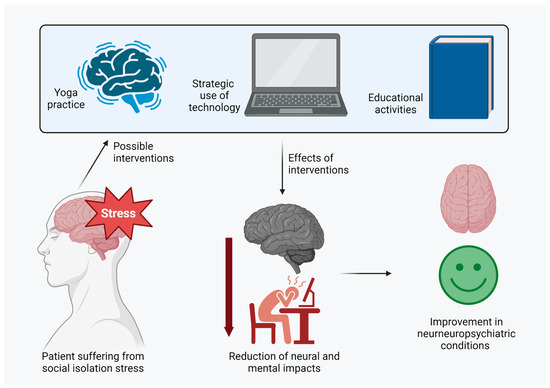
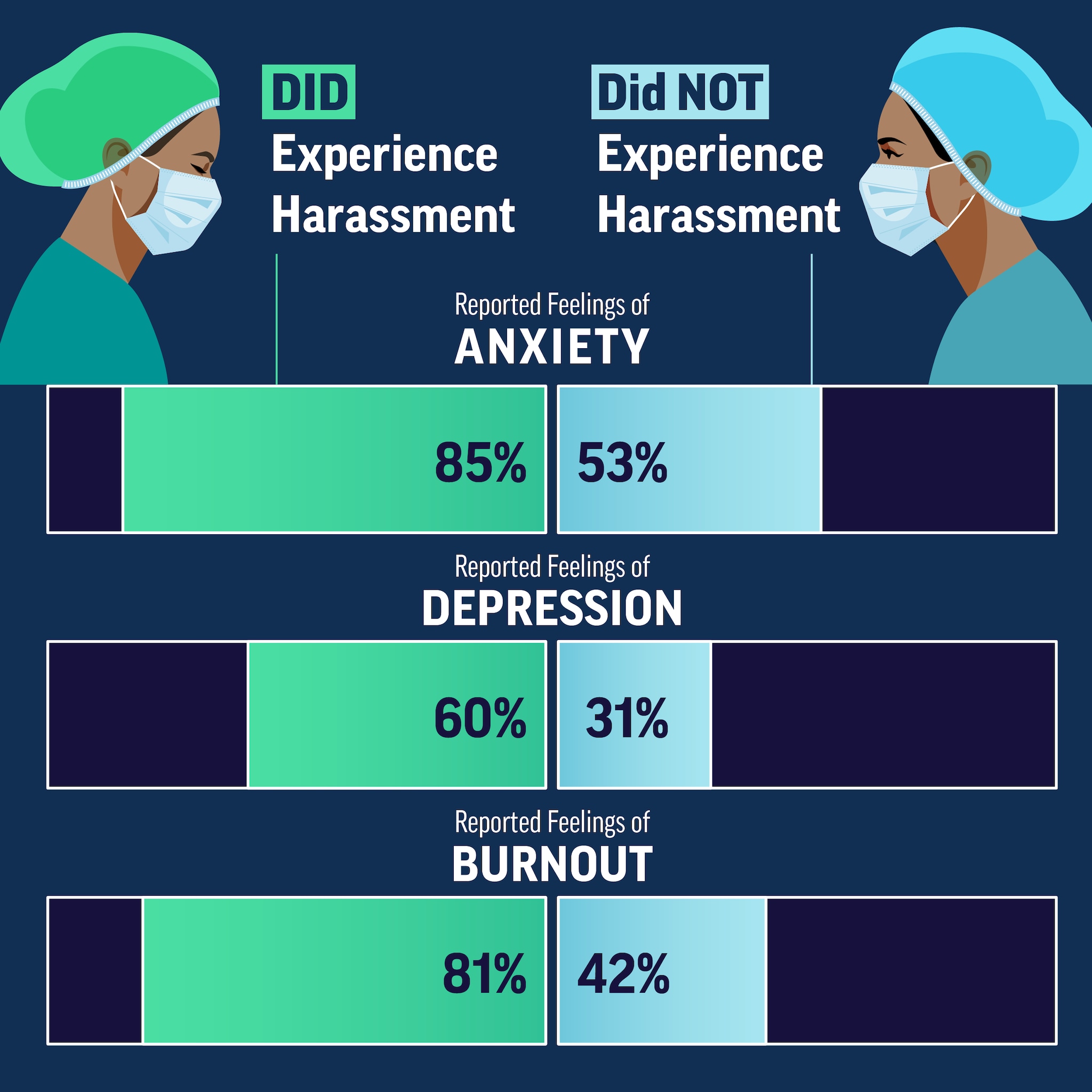
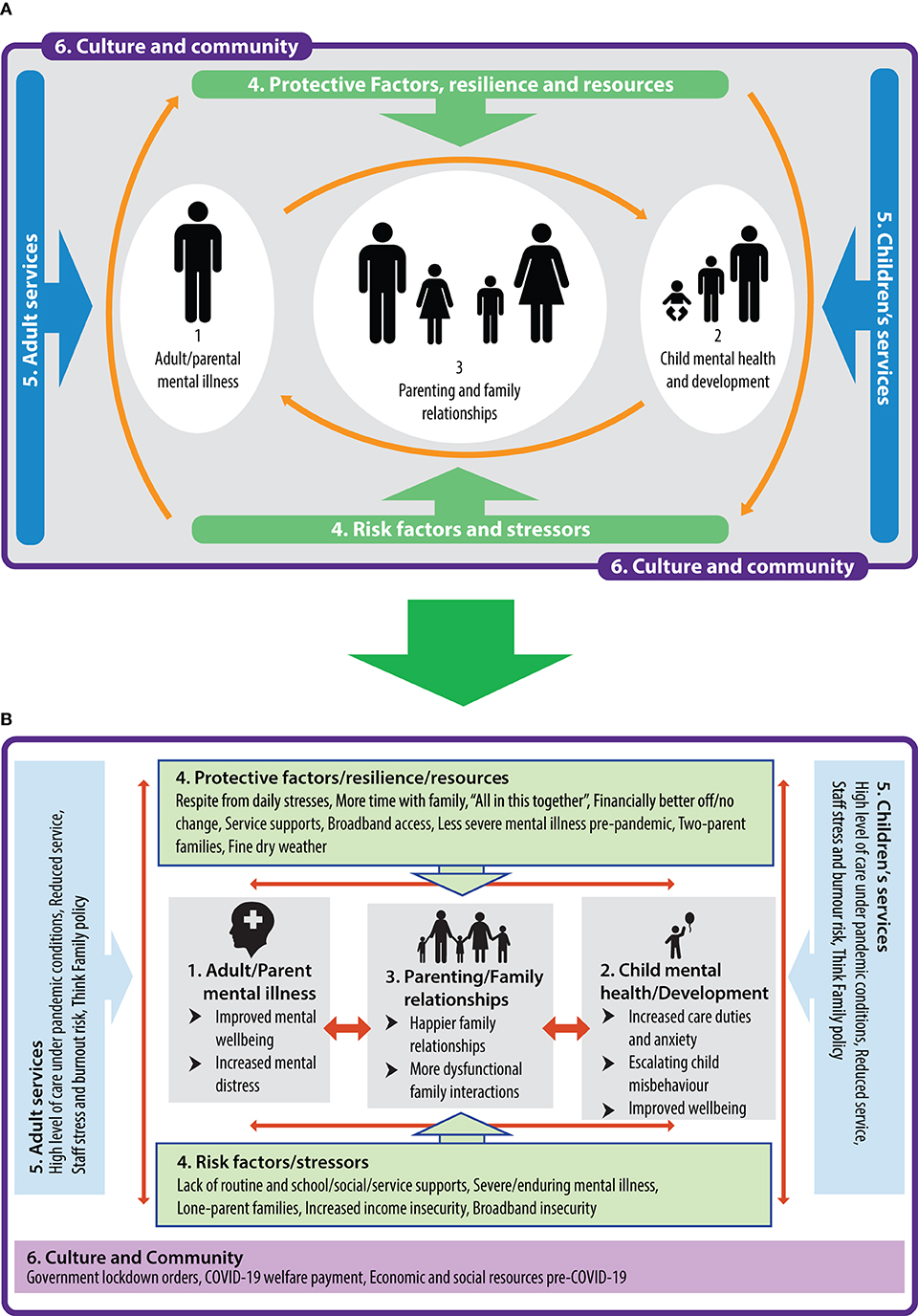
The COVID-19 pandemic intensified mental health challenges for many Americans. Isolation, uncertainty, health fears, and economic disruptions created significant emotional strain.
The pandemic contributed to:
- Increased anxiety and depression
- Loneliness and social isolation
- Higher stress levels among healthcare workers
- Rising mental health concerns among students
Although society is recovering, the psychological impact continues to affect many individuals.
Solutions to Address the Mental Health Crisis
While the challenges are significant, several solutions can help improve mental health outcomes in the United States.
1. Expanding Access to Mental Health Care
Increasing the availability of mental health services is critical. This may include:
- Expanding telehealth therapy services
- Increasing insurance coverage for mental health treatment
- Training more mental health professionals
- Supporting community mental health programs
Telehealth services have already improved access to care in many areas.
2. Promoting Mental Health Awareness
Public education and awareness campaigns can help reduce the stigma surrounding mental illness.
Encouraging open conversations about mental health can help individuals feel more comfortable seeking support and treatment.
Schools, workplaces, and communities can play a key role in promoting mental health awareness.
3. Encouraging Healthy Lifestyle Habits

Healthy lifestyle habits can significantly improve emotional well-being.
Helpful practices include:
- Regular physical activity
- Balanced nutrition
- Adequate sleep
- Mindfulness or meditation
- Spending time outdoors
- Maintaining supportive relationships
These habits can help individuals build resilience and better cope with daily stress.

4. Strengthening Community Support Systems
Community-based support networks can provide valuable resources for individuals struggling with mental health issues.
Examples include:
- Peer support groups
- School counseling programs
- Workplace wellness initiatives
- Community mental health clinics
Strong community support can help reduce isolation and encourage recovery.
5. Early Intervention and Youth Support
Early mental health intervention is essential, especially for children and teenagers.
Providing counseling and mental health education in schools can help young people learn:
- Emotional regulation
- Stress management
- Healthy coping strategies
Early support can prevent mental health conditions from becoming more severe later in life.
When to Seek Professional Help
It is important to seek professional help if you or someone you know experiences:
- Persistent sadness or hopelessness
- Severe anxiety or panic attacks
- Difficulty performing daily tasks
- Sudden mood changes
- Thoughts of self-harm or suicide
Mental health professionals such as psychologists, psychiatrists, and licensed therapists can provide effective treatments and support.
The growing mental health crisis in America is a complex challenge that affects individuals, families, and communities. However, increased awareness, improved access to care, and supportive social environments can help address these challenges.
By prioritizing mental health education, encouraging healthy lifestyles, and expanding access to treatment, the United States can move toward a future where mental well-being is recognized as an essential part of overall health.
Taking steps to support mental health today can lead to stronger communities and healthier lives for generations to come.