
Sensitive skin requires extra care, especially at night when the skin naturally repairs itself. People with sensitive skin often experience redness, irritation, dryness, or reactions to certain skincare products. A gentle nighttime skincare routine can help calm the skin, strengthen the skin barrier, and maintain hydration for a healthier, glowing complexion.

According to the American Academy of Dermatology, individuals with sensitive skin should prioritize mild, fragrance-free products and avoid harsh ingredients that can trigger irritation. Nighttime skincare plays a crucial role because the skin regenerates and absorbs active ingredients more effectively while you sleep.
This guide explains the best nighttime skincare routine for sensitive skin, designed to keep your skin calm, hydrated, and radiant.
Why Nighttime Skincare Matters for Sensitive Skin


During sleep, the skin increases cell regeneration and repairs environmental damage caused by pollution, sun exposure, and stress. For sensitive skin types, nighttime care is particularly important to soothe inflammation and maintain moisture balance.
Benefits of a nighttime skincare routine include:
- Calming irritation and redness
- Restoring the skin barrier
- Hydrating and repairing the skin
- Preventing dryness and sensitivity
- Supporting natural skin regeneration
Using the right products before bedtime allows your skin to recover overnight and appear smoother and healthier in the morning.
Step 1: Use a Gentle Cleanser

Cleansing removes makeup, dirt, oil, and environmental pollutants accumulated during the day.
However, harsh cleansers can worsen irritation for sensitive skin. Choose a mild, fragrance-free cleanser designed specifically for delicate skin.
Cleansing tips for sensitive skin
- Use lukewarm water instead of hot water
- Avoid scrubbing the face harshly
- Choose sulfate-free cleansers
- Pat skin dry gently with a soft towel
Gentle cleansing prepares the skin for the rest of your nighttime routine without disrupting its natural barrier.
Step 2: Apply a Soothing Toner
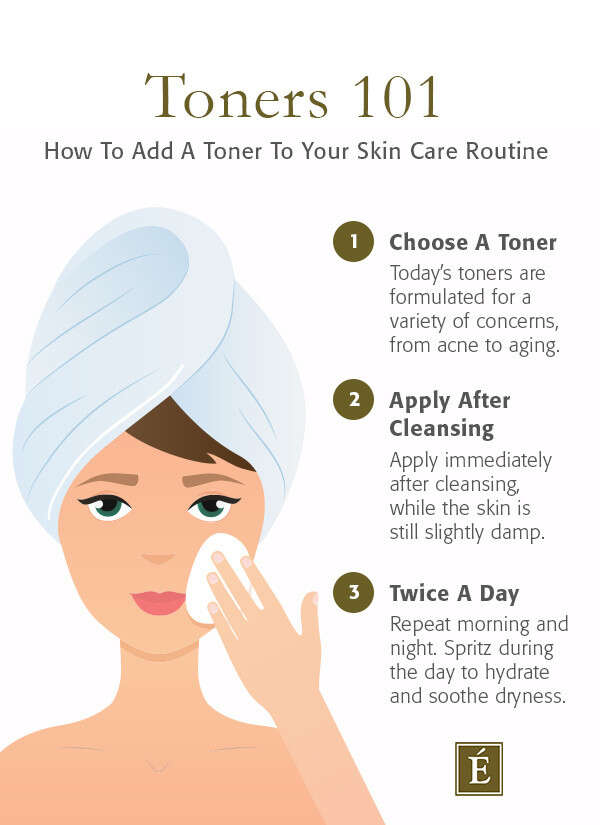

A soothing toner helps rebalance the skin after cleansing while adding an extra layer of hydration.
Look for calming ingredients such as:
- Aloe vera
- Chamomile extract
- Rose water
- Green tea extract
These ingredients help reduce redness and soothe irritated skin.
Avoid alcohol-based toners, which can cause dryness and irritation.

Step 3: Apply a Hydrating and Calming Serum
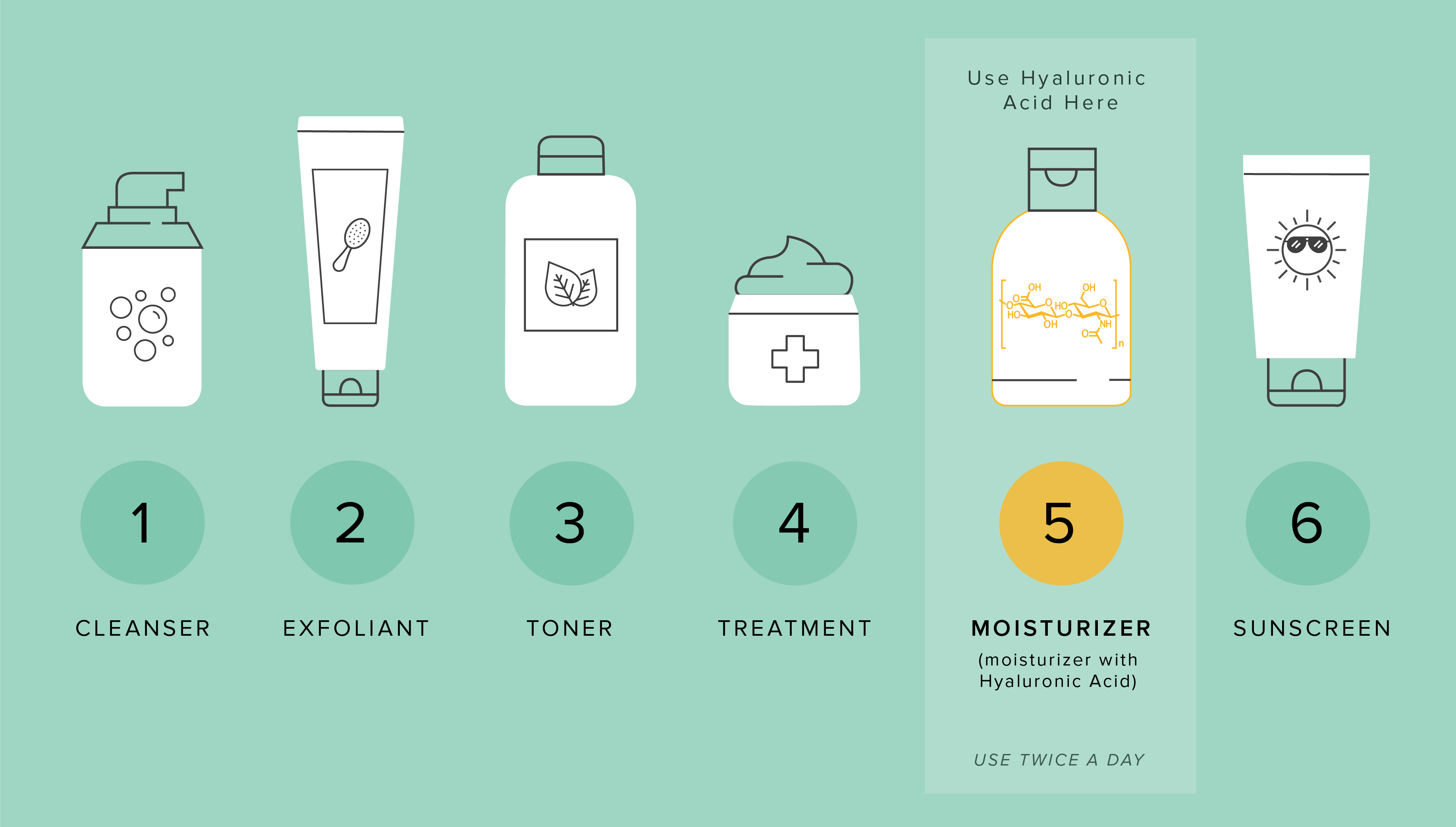
Serums deliver concentrated ingredients that target specific skin concerns.
For sensitive skin, look for serums containing:
- Hyaluronic acid for hydration
- Niacinamide for calming inflammation
- Vitamin B5 (Panthenol) for skin repair
- Centella asiatica for soothing sensitive skin
These ingredients help strengthen the skin barrier and improve hydration without causing irritation.
Step 4: Use a Rich Moisturizer or Night Cream

Moisturizing is essential for sensitive skin because it helps maintain the protective barrier that prevents irritation.
A nourishing night cream helps:
- Lock in moisture
- Repair the skin barrier
- Reduce dryness and redness
- Support overnight skin repair
Look for moisturizers with ingredients such as:
- Ceramides
- Shea butter
- Squalane
- Oat extract
These ingredients strengthen the skin barrier and provide long-lasting hydration.
Step 5: Apply a Gentle Eye Cream

The skin around the eyes is thinner and more delicate, making it more prone to dryness and irritation.
Eye creams can help with:
- Hydration
- Fine lines
- Puffiness
- Dark circles
Apply a small amount using your ring finger and gently tap around the eye area.
Optional Step: Use a Barrier Repair Cream or Facial Oil

If your skin is extremely sensitive or dry, adding a facial oil or barrier repair cream can help seal in moisture overnight.
Popular soothing oils include:
- Jojoba oil
- Rosehip oil
- Argan oil
These oils nourish the skin and help maintain a healthy moisture barrier.
Additional Tips for Sensitive Skin
Choose Fragrance-Free Products
Fragrances are a common trigger for irritation and allergic reactions.
Avoid Over-Exfoliation
Sensitive skin should avoid frequent exfoliation, as it can weaken the skin barrier.
Perform Patch Tests
Before using a new product, test it on a small area of skin to ensure it does not cause irritation.
Protect Skin During the Day
Although this guide focuses on nighttime skincare, daily sunscreen is essential to prevent skin damage.
When to See a Dermatologist
If you experience persistent redness, burning, itching, or severe reactions, consult a dermatologist.
Conditions such as eczema, rosacea, or contact dermatitis may require specialized treatment and medical guidance.
A gentle nighttime skincare routine is essential for maintaining healthy, calm, and hydrated sensitive skin. By choosing soothing ingredients, avoiding harsh chemicals, and prioritizing hydration, you can support your skin’s natural repair process overnight.
Consistency is key. With the right routine and products, sensitive skin can become stronger, more balanced, and naturally radiant over time.