
Combination skin is one of the most common yet challenging skin types. People with combination skin typically have an oily T-zone (forehead, nose, and chin) while the cheeks and other areas may feel dry or normal. Because of these mixed characteristics, combination skin requires a balanced skincare approach that controls oil while maintaining hydration.
A well-designed nighttime skincare routine allows your skin to repair and regenerate while you sleep. According to the American Academy of Dermatology, proper skincare routines tailored to skin type help maintain healthy skin barriers, reduce breakouts, and improve overall skin texture.

This guide explains the best nighttime skincare routine for combination skin, helping people in the United States achieve soft, hydrated, and glowing skin.
Why Nighttime Skincare Is Important for Combination Skin

During sleep, the body enters a natural repair cycle. Skin cells regenerate, collagen production increases, and the skin works to repair damage caused by environmental stressors like pollution and sun exposure.
A proper nighttime routine for combination skin helps:
- Balance oil production
- Maintain hydration in dry areas
- Reduce clogged pores
- Support skin barrier repair
- Promote healthy, glowing skin
Using the right products at night allows the skin to absorb nutrients and recover effectively.

Step 1: Gentle Cleansing

Cleansing removes dirt, oil, sweat, and makeup that accumulate throughout the day.
For combination skin, choose a mild, balanced cleanser that cleans the oily areas without stripping moisture from dry areas.
Cleansing tips
- Use lukewarm water instead of hot water
- Avoid harsh scrubbing
- Choose sulfate-free cleansers
- Wash the face twice daily
This step prepares your skin to absorb other skincare products effectively.
Step 2: Light Exfoliation (2–3 Times Per Week)


Exfoliation removes dead skin cells that can clog pores and cause uneven texture.
Combination skin benefits from gentle exfoliation to clear the oily T-zone while keeping other areas smooth.
Recommended exfoliating ingredients include:
- Salicylic acid
- Lactic acid
- Glycolic acid
- Mild enzyme exfoliants
Avoid over-exfoliating, as this can cause irritation and increase oil production.
Step 3: Apply a Balancing Toner


A toner helps rebalance the skin’s pH level and prepares it for serums and moisturizers.
For combination skin, choose a toner that provides both hydration and oil control.
Look for ingredients such as:
- Niacinamide
- Rose water
- Witch hazel (in gentle formulations)
- Hyaluronic acid
These ingredients help control shine in oily areas while maintaining hydration in drier zones.

Step 4: Use a Targeted Serum
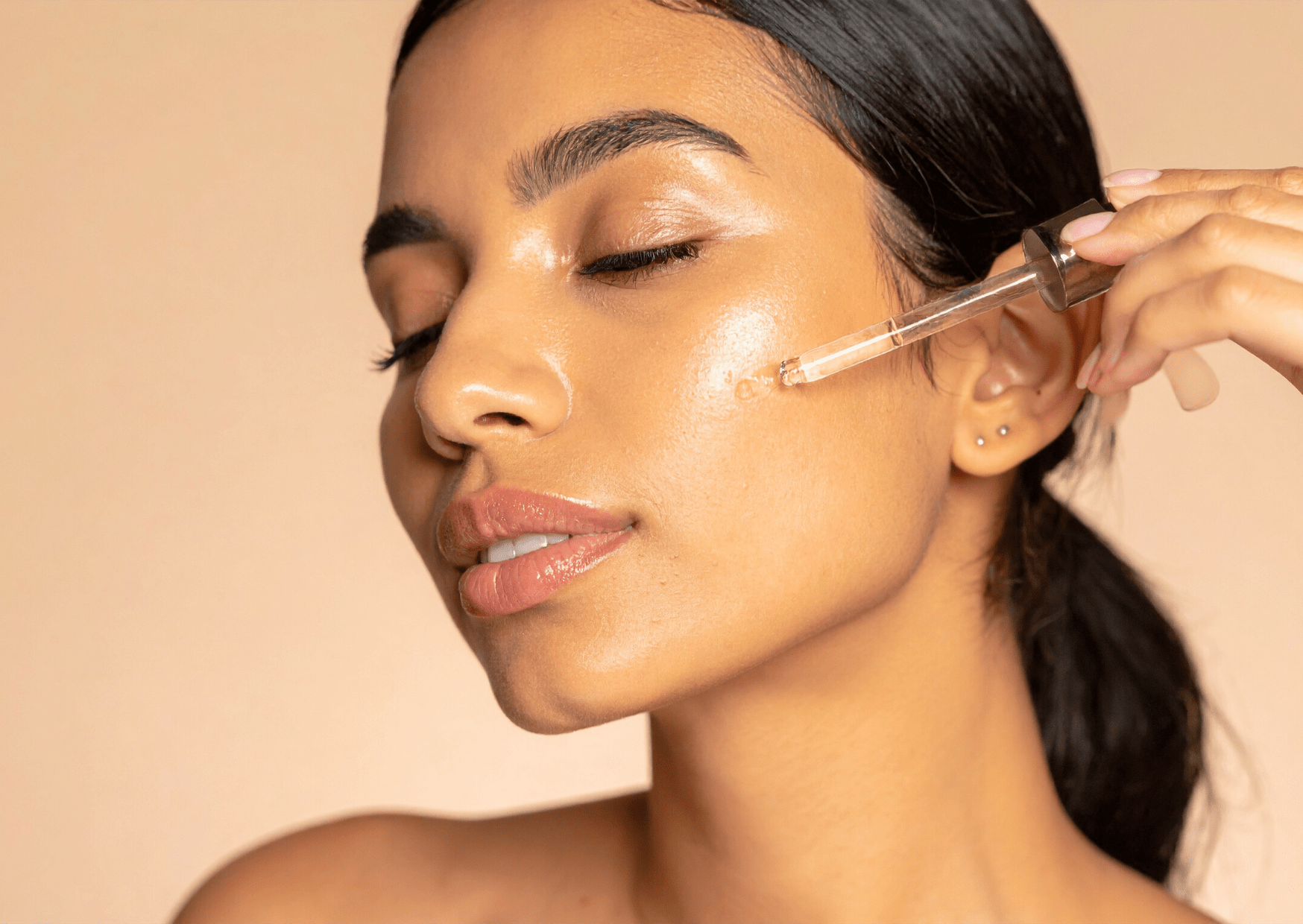

Serums deliver concentrated ingredients to address specific skin concerns.
For combination skin, choose serums that balance hydration and oil control.
Popular ingredients include:
- Hyaluronic acid for hydration
- Niacinamide for oil control
- Vitamin C for brightness and antioxidant protection
- Peptides for skin repair
Apply a few drops and gently press the serum into the skin for better absorption.
Step 5: Apply a Lightweight Moisturizer

Moisturizing is essential even for combination skin.
A lightweight, non-comedogenic moisturizer helps hydrate dry areas while preventing clogged pores in oily zones.
Look for moisturizers containing:
- Ceramides
- Glycerin
- Hyaluronic acid
- Aloe vera
Gel-based moisturizers are often ideal for combination skin because they hydrate without feeling heavy.
Step 6: Eye Cream for Overnight Repair
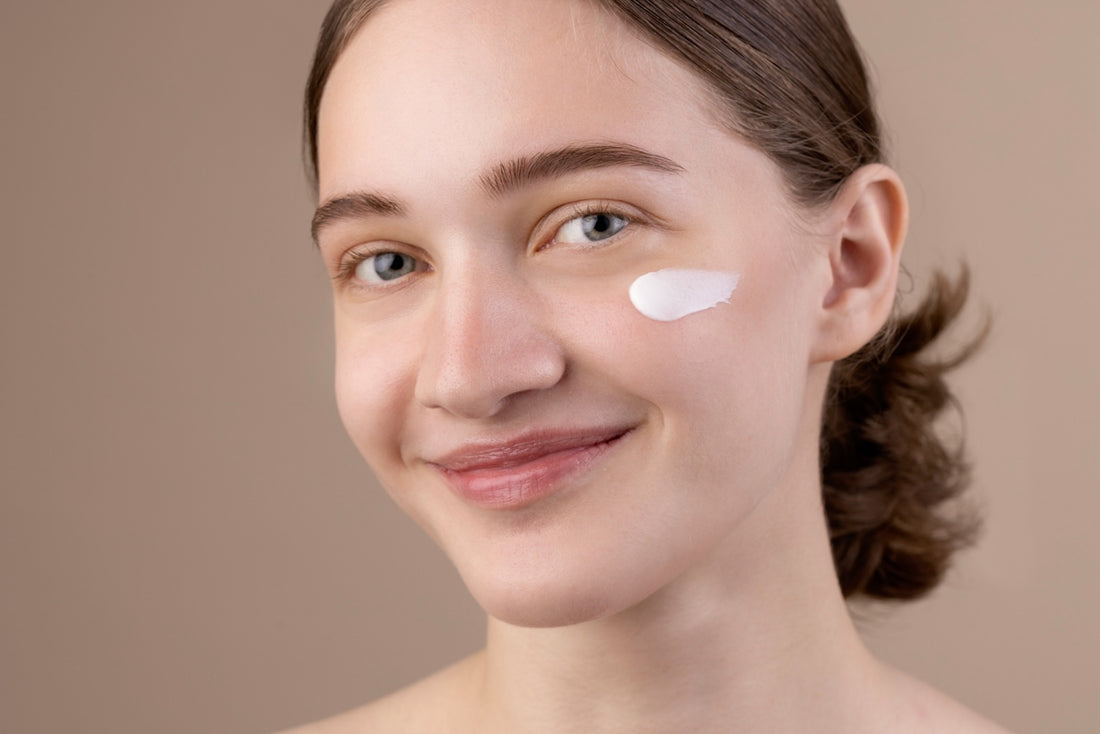

The delicate skin around the eyes needs extra hydration and care.
Eye creams help reduce:
- Puffiness
- Dark circles
- Fine lines
- Dryness
Use a small amount and gently tap it around the eye area using your ring finger.
Additional Night Skincare Tips for Combination Skin
Use Non-Comedogenic Products
Choose products that do not clog pores.
Avoid Overusing Heavy Oils
Heavy oils can worsen oiliness in the T-zone.
Maintain a Healthy Lifestyle
Hydration, balanced nutrition, and adequate sleep contribute to healthier skin.
Change Pillowcases Regularly
Clean pillowcases help reduce bacteria and oil buildup that can affect the skin.
When to See a Dermatologist
If you experience persistent acne, irritation, or severe dryness, consult a dermatologist. A professional can recommend personalized treatments suited to your skin type.
Dermatologists can also identify underlying skin conditions such as rosacea, eczema, or hormonal acne.
A well-balanced nighttime skincare routine can help individuals with combination skin achieve soft, hydrated, and glowing skin. By using gentle cleansers, balanced toners, hydrating serums, and lightweight moisturizers, you can maintain harmony between oily and dry areas of the face.
Consistency and choosing the right products are key. Over time, a proper skincare routine will improve skin texture, reduce breakouts, and support a healthy, radiant complexion.