
Back pain and spinal problems are increasingly common in modern lifestyles, especially in the United States where long hours of sitting, poor posture, and lack of exercise are widespread. A healthy spine is essential for mobility, balance, posture, and overall physical health.
Strengthening your spine involves more than just exercises—it requires the right diet, posture habits, and consistent physical activity. Research in orthopedics and physical therapy shows that combining nutrient-rich foods with targeted exercises can significantly improve spinal strength and reduce the risk of chronic back pain.
This guide explains how to strengthen your spine through a balanced diet and effective exercise routine, designed for everyday readers who want to protect their back health.
Understanding the Importance of a Strong Spine
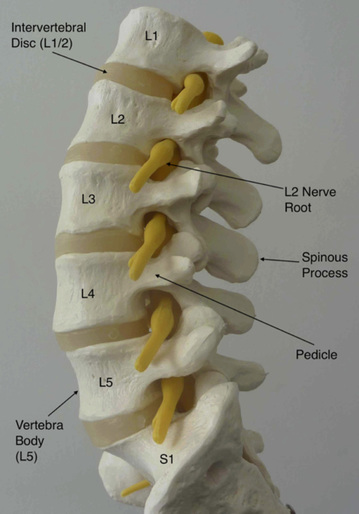
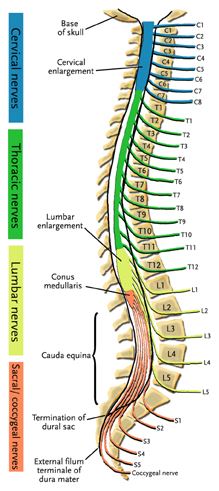
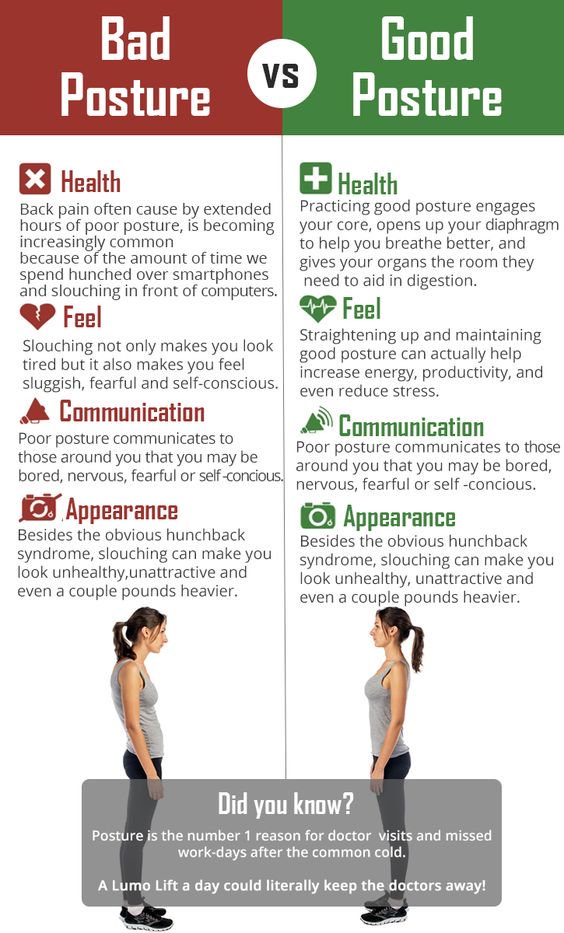
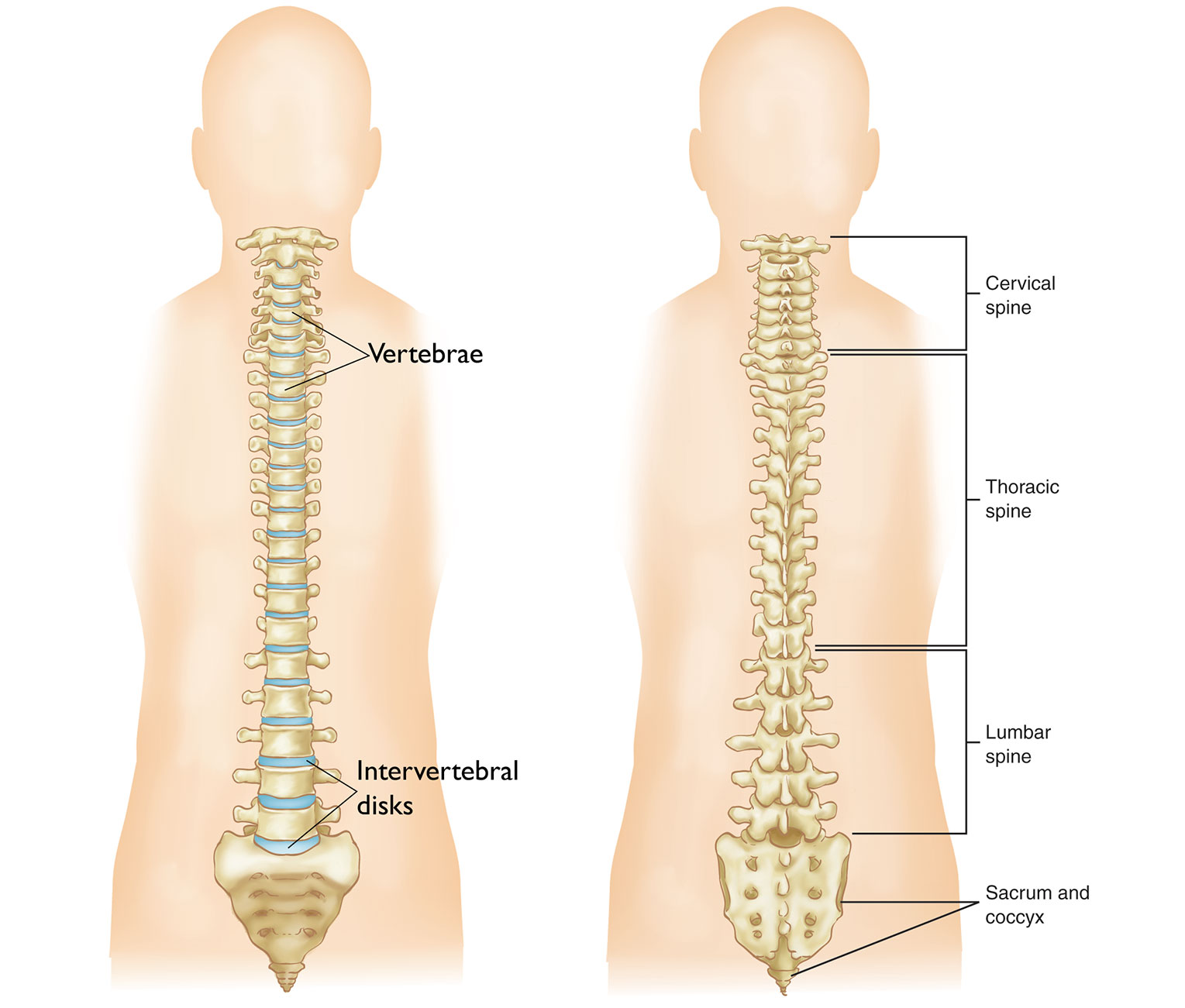
The spine is one of the most important structures in the human body. It consists of 33 vertebrae, spinal discs, nerves, and supporting muscles that work together to provide support and flexibility.
A strong spine helps with:
- Maintaining proper posture
- Supporting body weight
- Protecting the spinal cord
- Enabling movement such as bending and twisting
Weak muscles around the spine can lead to back pain, poor posture, and spinal injuries, which are among the leading causes of disability in adults.
Best Diet for a Strong and Healthy Spine



Nutrition plays a vital role in maintaining strong bones, healthy spinal discs, and supportive muscles.
1. Calcium-Rich Foods
Calcium is essential for maintaining bone density and preventing conditions like osteoporosis.
Recommended foods include:
- Milk and yogurt
- Cheese
- Almonds
- Broccoli
- Kale
Adults generally require around 1,000–1,200 mg of calcium daily.
2. Vitamin D for Bone Health
Vitamin D helps the body absorb calcium effectively.
Sources include:
- Sunlight exposure
- Salmon and fatty fish
- Eggs
- Fortified milk and cereals
Vitamin D deficiency is common in many Americans and may contribute to bone weakness.
3. Magnesium and Potassium
Magnesium supports muscle function and nerve health, while potassium helps reduce muscle tension.
Good sources include:
- Spinach
- Avocados
- Bananas
- Nuts and seeds
- Whole grains
4. Protein for Muscle Strength
Strong back muscles support the spine and reduce strain.
Healthy protein sources include:
- Chicken
- Fish
- Eggs
- Beans and lentils
- Greek yogurt
5. Anti-Inflammatory Foods
Chronic inflammation can worsen back pain.
Helpful foods include:
- Berries
- Olive oil
- Turmeric
- Green leafy vegetables
- Nuts
Best Exercises to Strengthen Your Spine

Regular exercise strengthens the muscles that support the spine, including the core, lower back, hips, and shoulders.

Experts recommend performing spine-strengthening exercises 3–4 times per week.

1. Plank (Core Strength)
The plank strengthens the abdominal muscles that stabilize the spine.
How to do it:
- Start in a push-up position.
- Keep your body straight from head to heels.
- Hold the position for 20–30 seconds.
Benefits:
- Improves posture
- Strengthens core muscles
- Reduces lower back strain
2. Cat-Cow Stretch (Spinal Flexibility)
This yoga movement improves spinal mobility.
Steps:
- Start on your hands and knees.
- Arch your back upward (cat pose).
- Lower your belly and lift your head (cow pose).
- Repeat slowly for 10–15 repetitions.
Benefits:
- Improves spinal flexibility
- Reduces stiffness
3. Glute Bridge
The glute bridge strengthens the lower back and hips.
Steps:
- Lie on your back with knees bent.
- Lift your hips upward.
- Hold for 5 seconds before lowering.
Benefits:
- Supports lower spine
- Strengthens glutes and hamstrings
4. Superman Exercise
This exercise targets the lower back muscles.
Steps:
- Lie on your stomach.
- Lift your arms and legs simultaneously.
- Hold for 3–5 seconds and repeat.
Benefits:
- Strengthens spinal muscles
- Improves posture
Lifestyle Habits for a Healthy Spine



In addition to diet and exercise, daily habits strongly affect spinal health.
Maintain Good Posture
Sit and stand with your back straight and shoulders relaxed.
Use Ergonomic Workspaces
Adjust your chair, desk, and computer screen to support a neutral spine position.
Lift Objects Properly
Always bend your knees and keep the object close to your body.
Sleep in a Spine-Friendly Position
Sleeping on your side with a pillow between your knees helps maintain spinal alignment.
A strong spine is essential for long-term mobility and overall health. By combining nutrient-rich foods, regular exercise, and healthy daily habits, individuals can significantly improve spinal strength and reduce the risk of chronic back pain.
Consistency is the key. Small lifestyle changes—such as eating calcium-rich foods, practicing core-strengthening exercises, and maintaining good posture—can make a meaningful difference in spinal health.
Taking care of your spine today helps ensure better movement, comfort, and quality of life in the future.