
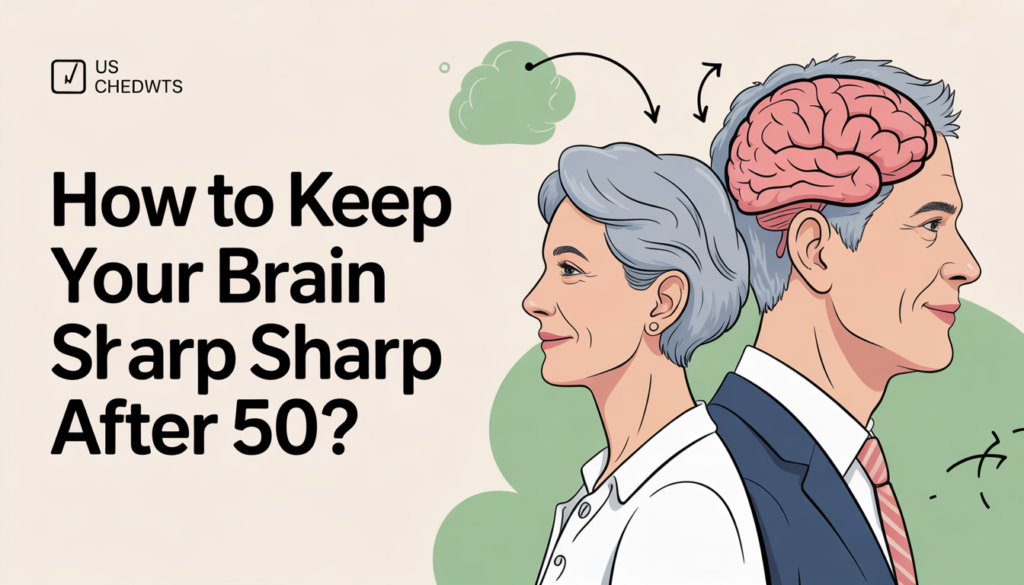
Aging is a natural part of life, but maintaining a sharp, active mind after 50 is both possible and essential for a high quality of life. In the United States, millions of adults are prioritizing brain health, memory retention, and cognitive longevity as they age.
Scientific research in neurology and gerontology shows that lifestyle choices—such as diet, exercise, mental stimulation, and sleep—play a powerful role in preserving cognitive function. While some decline is normal, proactive habits can help slow aging-related changes and reduce the risk of cognitive disorders.
This comprehensive guide explores how to keep your brain sharp after 50, with practical, research-backed strategies tailored for a U.S. audience.


Understanding Brain Aging

As we age, the brain undergoes natural changes:
- Slower processing speed
- Mild memory lapses
- Reduced multitasking ability
However, the brain retains its ability to adapt and grow—a concept known as neuroplasticity. This means you can strengthen your brain at any age with the right habits.
1. Eat a Brain-Healthy Diet

Nutrition plays a key role in cognitive health.
Best Foods for Brain Function
- Fatty fish (rich in omega-3 fatty acids)
- Berries (high in antioxidants)
- Leafy greens (vitamin K and folate)
- Nuts and seeds (healthy fats and vitamin E)
- Whole grains (steady energy for the brain)
Popular Brain Diets in the USA
- Mediterranean diet
- MIND diet (Mediterranean-DASH Intervention for Neurodegenerative Delay)
These diets are associated with a lower risk of cognitive decline and improved memory.
2. Stay Physically Active

Exercise benefits not only your body but also your brain.
Benefits
- Improves blood flow to the brain
- Promotes new brain cell growth
- Reduces risk of dementia
Recommended Activities
- Walking (30 minutes daily)
- Strength training (2–3 times per week)
- Yoga or stretching
- Swimming or cycling
3. Keep Your Mind Engaged


Mental stimulation helps build and maintain neural connections.
Activities to Boost Brain Power
- Reading books and articles
- Solving puzzles (crosswords, Sudoku)
- Learning a new language or skill
- Playing musical instruments
- Strategy games like chess
Continuous learning keeps the brain active and resilient.
4. Prioritize Quality Sleep

Sleep is essential for memory and brain repair.
Why Sleep Matters
- Consolidates memories
- Clears toxins from the brain
- Improves concentration and mood
Tips for Better Sleep
- Aim for 7–8 hours per night
- Maintain a consistent sleep schedule
- Limit screen time before bed
- Create a calm sleeping environment
5. Manage Stress Effectively
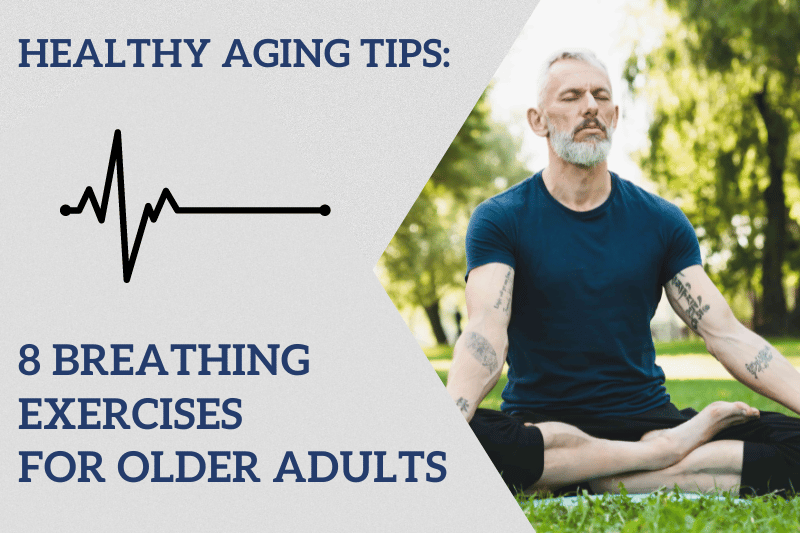
Chronic stress can negatively impact brain function.
Stress-Reducing Practices
- Meditation and mindfulness
- Deep breathing exercises
- Spending time in nature
- Engaging in hobbies
Reducing stress helps protect memory and emotional well-being.
6. Stay Socially Connected

Social interaction plays a crucial role in mental health.
Benefits
- Reduces risk of depression
- Enhances cognitive function
- Improves emotional well-being
Stay connected through:
- Family gatherings
- Community events
- Volunteer work
- Clubs or group activities
7. Monitor Your Health

Chronic conditions can affect brain health.
Key Health Factors to Manage
- Blood pressure
- Blood sugar levels
- Cholesterol
- Heart health
Regular checkups and preventive care are essential for maintaining cognitive function.
Keeping your brain sharp after 50 is not about a single solution—it’s about a holistic lifestyle approach. By focusing on healthy nutrition, regular exercise, mental stimulation, quality sleep, stress management, and social engagement, you can support long-term brain health and maintain independence.
Aging does not mean losing your mental edge. With consistent habits and informed choices, you can enjoy a sharp, active, and fulfilling life well beyond 50.