In recent years, anxiety has become one of the most common mental health concerns in the United States. From workplace stress to financial pressure and digital overload, millions of Americans are experiencing symptoms linked to Anxiety Disorders.
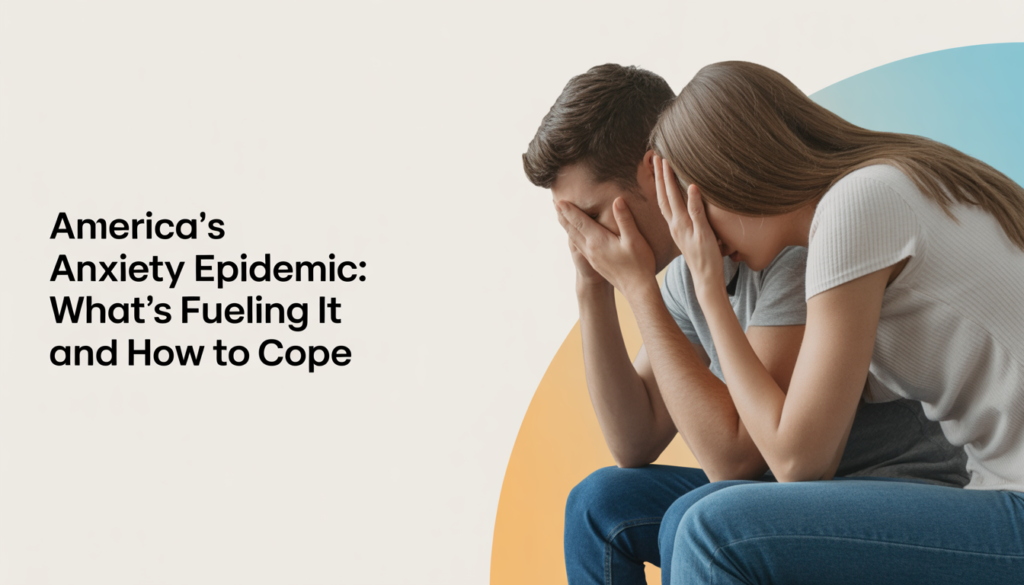
According to organizations like the American Psychological Association, anxiety levels have steadily increased due to modern lifestyle factors, uncertainty, and constant exposure to stressors. While occasional anxiety is a normal part of life, chronic anxiety can affect physical health, relationships, and overall quality of life.
This in-depth guide explores what’s fueling America’s anxiety epidemic and practical, science-backed strategies to cope effectively.
What Is Anxiety?
Anxiety is the body’s natural response to stress, often described as a feeling of worry, fear, or unease. It is linked to the body’s fight-or-flight response, which prepares you to react to perceived threats.
Common Symptoms
- Rapid heartbeat
- Restlessness
- Difficulty concentrating
- Sleep disturbances
- Excessive worry
When these symptoms become persistent, they may indicate an anxiety disorder that requires attention.
What’s Fueling Anxiety in America?
Several factors contribute to rising anxiety levels across the United States.
1. Digital Overload and Social Media
Constant exposure to social media can increase comparison, fear of missing out (FOMO), and information overload.
Impact
- Increased stress and insecurity
- Reduced attention span
- Sleep disruption
2. Financial Pressure
Rising living costs, debt, and job insecurity are major stressors.
Impact
- Chronic worry
- Emotional strain
- Reduced mental well-being
3. Work Stress and Burnout
Long working hours and high expectations contribute to workplace stress.
Impact
- Fatigue and exhaustion
- Reduced productivity
- Mental health decline
4. Health Concerns and Uncertainty
Public health concerns and uncertainty about the future can trigger anxiety.
5. Lack of Work-Life Balance
A fast-paced lifestyle often leaves little time for rest and recovery.
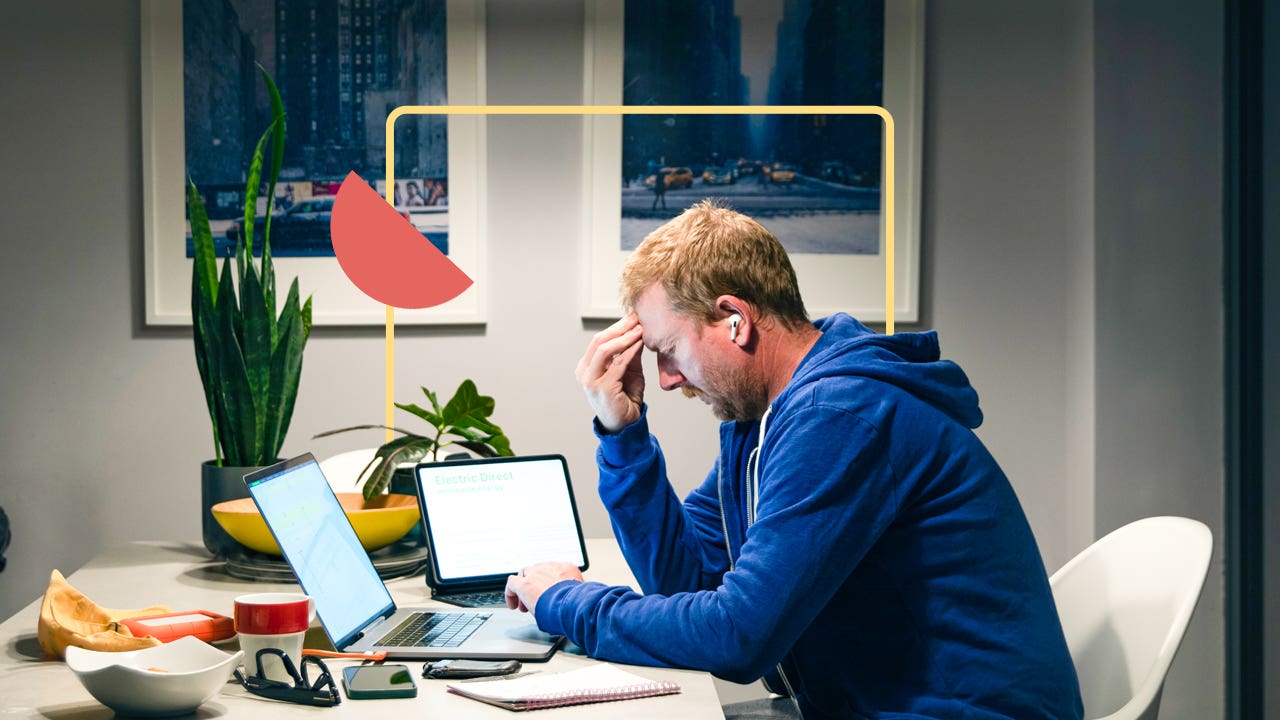
How Anxiety Affects Your Body
Chronic anxiety doesn’t just affect the mind—it impacts the entire body.
Physical Effects
- Increased heart rate
- High blood pressure
- Sleep disorders
- Digestive issues
Emotional Effects
- Irritability
- Difficulty focusing
- Feelings of overwhelm
Effective Ways to Cope with Anxiety

Managing anxiety requires a combination of lifestyle changes, mental strategies, and support systems.
1. Practice Mindfulness and Meditation
Mindfulness helps you stay present and reduce overthinking.
Techniques
- Deep breathing exercises
- Guided meditation
- Body scan relaxation
2. Stay Physically Active
Exercise releases endorphins, which improve mood.
Activities
- Walking or jogging
- Yoga
- Strength training
3. Improve Sleep Quality
Sleep is essential for mental health.
Tips
- Maintain a regular sleep schedule
- Limit screen time before bed
- Create a relaxing bedtime routine
4. Limit Screen Time
Reducing exposure to social media and news can lower anxiety levels.
5. Eat a Balanced Diet
Nutrition plays a role in mental health.
Focus on
- Whole foods
- Fruits and vegetables
- Omega-3 fatty acids
6. Build a Support System
Talking to friends, family, or support groups can help reduce stress.
7. Seek Professional Help
If anxiety becomes overwhelming, consulting a mental health professional is important.
Options include:
- Therapy
- Counseling
- Medication (if prescribed)
When to Seek Help

Consider seeking help if you experience:
- Persistent anxiety interfering with daily life
- Panic attacks
- Difficulty functioning at work or home
Early intervention can make a significant difference.

America’s rising anxiety levels reflect the challenges of modern life, from digital overload to financial stress and work pressure. However, anxiety is manageable with the right strategies.
By incorporating mindfulness, exercise, proper nutrition, quality sleep, and social support, individuals in the United States can take control of their mental health and improve overall well-being.
Remember, seeking help is a sign of strength—not weakness. With awareness and action, it’s possible to live a calmer, healthier, and more balanced life.