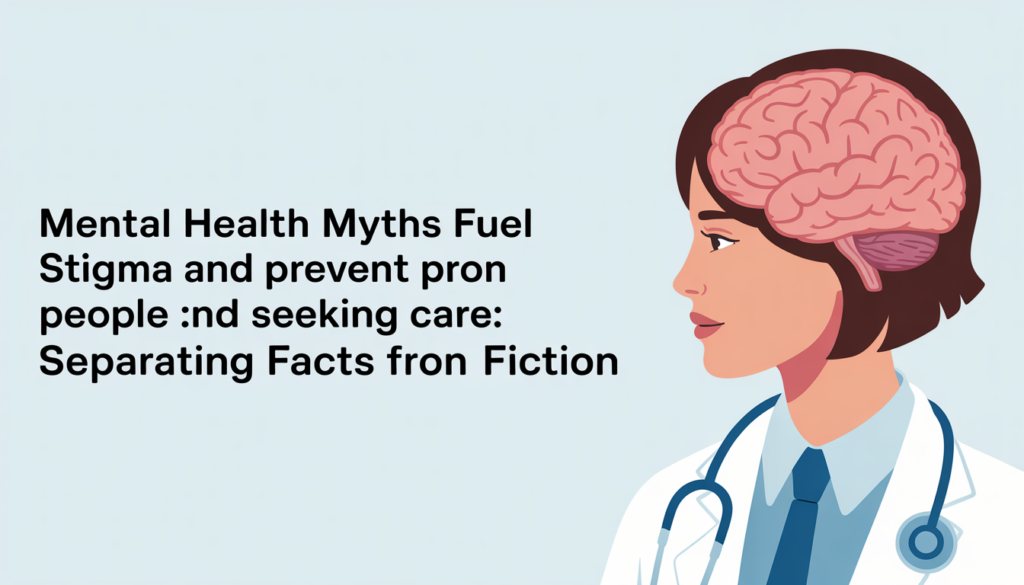
Mental health awareness has improved significantly in the United States over the past decade, yet millions of Americans still struggle in silence because of harmful myths and misconceptions.
Many people continue to believe:
- Mental health struggles are a sign of weakness
- Therapy is only for “serious problems”
- Depression is just sadness
- Anxiety is overreacting
- Recovery is impossible
- People with mental illness are dangerous
- You can simply “snap out of it”
These myths are not only inaccurate — they can be deeply damaging.
Mental health misinformation fuels stigma, increases shame, delays treatment, and prevents people from seeking the support they need. According to experts, stigma remains one of the biggest barriers to mental healthcare access in America and worldwide.
The truth is that mental health conditions are real, treatable medical issues that affect people of all ages, backgrounds, careers, and lifestyles.
In this comprehensive guide, we’ll debunk the most common mental health myths, explain the science behind mental wellness, and explore why accurate mental health education matters more than ever.
Why Mental Health Myths Are So Harmful
Unlike physical illnesses, mental health conditions are often misunderstood because symptoms are not always visible.
Someone may appear:
- Successful
- Social
- Productive
- Cheerful
While privately struggling with:
- Anxiety
- Depression
- Trauma
- Panic attacks
- Burnout
- PTSD
- Bipolar disorder
Mental health stigma often causes people to:
- Hide symptoms
- Avoid therapy
- Fear judgment
- Delay treatment
- Feel isolated
- Blame themselves
Research shows that stigma significantly reduces help-seeking behavior and recovery outcomes.
Myth 1: Mental Health Struggles Are a Sign of Weakness
This is one of the most damaging mental health myths in modern society.
The Truth
Mental illness has nothing to do with weakness, laziness, or lack of willpower.
Mental health conditions involve complex interactions between:
- Brain chemistry
- Genetics
- Trauma
- Stress
- Environment
- Life experiences
- Physical health
Organizations like UNICEF and mental health experts repeatedly emphasize that anyone can develop a mental health condition regardless of intelligence, strength, or success.
Why This Myth Is Dangerous
When people believe mental illness equals weakness, they may:
- Feel ashamed
- Avoid talking openly
- Refuse professional help
- Hide symptoms from loved ones
In reality, seeking support often requires tremendous courage.
Myth 2: Recovery From Mental Illness Is Impossible
The Truth
Recovery is absolutely possible.
Many people with mental health conditions:
- Improve significantly
- Learn coping strategies
- Manage symptoms successfully
- Live fulfilling lives
- Maintain relationships and careers
Mental health organizations consistently report that treatment, therapy, medication, support systems, and lifestyle changes can dramatically improve quality of life.
What Recovery Really Means
Recovery does not always mean symptoms disappear completely.
It often means:
- Building resilience
- Managing symptoms effectively
- Regaining stability
- Improving daily functioning
- Developing healthy coping skills
Mental wellness is a journey, not a straight line.
Myth 3: Therapy Is Only for “Crazy” People
The Truth
Therapy is for anyone seeking support, growth, healing, or emotional tools.
People attend therapy for many reasons:
- Stress
- Anxiety
- Relationship issues
- Trauma
- Grief
- Burnout
- Career pressure
- Self-esteem
- Life transitions
Reddit discussions frequently highlight how therapy can benefit people even without a diagnosed mental illness.
Modern Therapy Is More Common Than Ever
In the United States, therapy has become increasingly normalized among:
- Students
- Professionals
- Athletes
- Parents
- Executives
- Veterans
Seeking therapy is proactive healthcare — not failure.
Myth 4: People With Mental Illness Are Violent or Dangerous
The Truth
Most people with mental health conditions are not violent.
In fact, individuals living with severe mental illness are statistically more likely to become victims of violence rather than perpetrators.
Why This Stereotype Persists
Movies, television, and sensational news coverage often inaccurately portray mental illness as dangerous.
This stereotype creates:
- Fear
- Social isolation
- Workplace discrimination
- Housing discrimination
- Shame
The Reality
Millions of Americans living with mental health conditions:
- Work full-time jobs
- Raise families
- Attend school
- Lead businesses
- Contribute to society every day
Myth 5: Depression Is Just Feeling Sad
The Truth
Clinical depression is much more than temporary sadness.
Depression can affect:
- Energy
- Sleep
- Appetite
- Motivation
- Concentration
- Physical health
- Relationships
Symptoms may include:
- Emotional numbness
- Exhaustion
- Hopelessness
- Loss of interest
- Irritability
- Physical aches
Mental health experts explain that depression results from biological, psychological, and social factors — not simply negative thinking.
Myth 6: Anxiety Is Just Overthinking
The Truth
Anxiety disorders involve more than ordinary stress or nervousness.
Anxiety can trigger:
- Panic attacks
- Racing thoughts
- Rapid heartbeat
- Sweating
- Chest tightness
- Digestive issues
- Sleep problems
For many people, anxiety significantly disrupts work, school, relationships, and daily life.
Anxiety Disorders Are Extremely Common
Common anxiety disorders include:
- Generalized anxiety disorder
- Social anxiety disorder
- Panic disorder
- OCD
- PTSD
Millions of Americans experience anxiety disorders every year.
Myth 7: Children and Teenagers Don’t Experience Mental Health Problems
The Truth
Mental health conditions can affect people of all ages.
Experts report that many mental health disorders begin during adolescence.
Common Youth Mental Health Challenges
- Anxiety
- Depression
- ADHD
- Eating disorders
- Self-esteem struggles
- Trauma responses
Warning Signs Parents Should Notice
- Social withdrawal
- Sudden mood changes
- Sleep changes
- Academic decline
- Loss of interest
- Persistent sadness
Early intervention can make a major difference.
Myth 8: Successful People Don’t Struggle With Mental Health
The Truth
Mental illness does not discriminate based on:
- Income
- Career success
- Education
- Popularity
- Intelligence
Even high-achieving individuals can experience:
- Depression
- Anxiety
- Burnout
- Addiction
- Trauma
Dwayne Johnson, Lady Gaga, and many public figures have openly discussed mental health struggles to help reduce stigma.
Why High Achievers Often Hide Symptoms
People may fear:
- Career consequences
- Judgment
- Appearing weak
- Social stigma
As a result, many silently struggle while maintaining outward success.
Myth 9: Medication Changes Your Personality
The Truth
Mental health medications are designed to help regulate symptoms — not erase personality.
For many people, treatment helps them feel:
- More stable
- More functional
- More emotionally balanced
- Better able to enjoy life
Medication decisions should always be discussed with licensed healthcare professionals.
Important Reality
Not everyone needs medication.
Treatment plans vary and may include:
- Therapy
- Lifestyle changes
- Support groups
- Medication
- Stress management
- Exercise
- Sleep improvement
Myth 10: You Can “Snap Out of It”
The Truth
Mental illness is not something people can simply overcome through willpower alone.
Telling someone to:
- “Think positive”
- “Get over it”
- “Be stronger”
Can invalidate their experience and worsen shame.
Mental health conditions often require:
- Professional support
- Treatment
- Time
- Compassion
- Lifestyle adjustments
Reddit users frequently describe how harmful dismissive comments can feel during mental health struggles.
Myth 11: Mental Health Problems Are Rare
The Truth
Mental health conditions are extremely common.
According to mental health organizations, millions of Americans experience mental health challenges each year.
Common Conditions Include
- Anxiety disorders
- Depression
- PTSD
- Bipolar disorder
- OCD
- Eating disorders
Many people you know may be privately managing mental health concerns.
Myth 12: Social Media Mental Health Advice Is Always Accurate
The Truth
Mental health misinformation spreads rapidly online.
Experts warn that social media platforms often contain:
- Oversimplified advice
- Misdiagnosis trends
- Self-diagnosis misinformation
- Unverified claims
Research highlights growing concerns about mental health misinformation on video-sharing platforms.
How to Verify Mental Health Information
Look for information from:
- Licensed therapists
- Psychologists
- Medical institutions
- Peer-reviewed research
- Government health organizations
Myth 13: Self-Care Alone Can Cure Mental Illness
The Truth
Self-care is valuable, but it is not always enough by itself.
Activities like:
- Meditation
- Exercise
- Journaling
- Healthy eating
- Sleep
Can support mental wellness.
However, serious conditions may also require:
- Therapy
- Medication
- Clinical treatment
- Professional guidance
Mental illness is complex and individualized.
Myth 14: Men Should Stay Emotionally Tough
Traditional social expectations often discourage men from expressing emotional struggles.
The Problem
Men may avoid seeking help because they fear:
- Appearing weak
- Judgment
- Social stigma
Research suggests stigma can particularly affect treatment-seeking behaviors among men.
Why This Matters
Untreated mental health conditions can contribute to:
- Substance abuse
- Relationship issues
- Isolation
- Suicide risk
Emotional openness is not weakness.
Myth 15: Mental Health and Physical Health Are Separate
The Truth
Mental and physical health are deeply connected.
Mental health conditions can affect:
- Sleep
- Immune function
- Heart health
- Digestion
- Chronic pain
- Energy levels
Similarly, physical illnesses can impact emotional well-being.
True wellness includes both mental and physical health.
Why Mental Health Stigma Prevents People From Seeking Care
Stigma can create serious barriers to treatment.
People may fear:
- Workplace discrimination
- Family judgment
- Social rejection
- Being misunderstood
- Appearing weak
As a result, many delay treatment for months or even years.
Experts consistently emphasize that reducing stigma improves early intervention and recovery outcomes.
How Americans Can Support Better Mental Health Awareness
Normalize Conversations
Open discussions reduce shame and isolation.
Avoid Harmful Language
Avoid terms like:
- “Crazy”
- “Weak”
- “Attention-seeking”
Encourage Professional Support
Therapy and mental healthcare should be treated like any other medical care.
Educate Yourself
Learn evidence-based information instead of relying solely on social media trends.
- Mental health stigma
- Mental illness misconceptions
- Mental health facts vs myths
- Therapy myths
- Depression myths
- Anxiety misconceptions
- Mental health awareness
- Psychological health myths
- Emotional wellness myths
- Mental health recovery facts
- Seeking mental health treatment
- Mental healthcare stigma
- Common mental health misconceptions
- Behavioral health myths
- Mental wellness education
Warning Signs Someone May Need Mental Health Support
Watch for:
- Persistent sadness
- Social withdrawal
- Severe mood swings
- Sleep changes
- Loss of motivation
- Increased anxiety
- Substance abuse
- Hopelessness
- Difficulty functioning
Encouraging professional support early can improve outcomes significantly.
When to Seek Professional Help
Consider professional support if symptoms:
- Persist for weeks
- Affect daily functioning
- Impact relationships or work
- Cause emotional distress
- Lead to hopelessness or self-harm thoughts
Mental healthcare professionals can provide:
- Diagnosis
- Therapy
- Coping strategies
- Medication guidance
- Crisis support
Final Thoughts
Mental health myths continue to fuel stigma, misinformation, and unnecessary suffering across the United States.
False beliefs like:
- “Mental illness is weakness”
- “Recovery is impossible”
- “Therapy is only for serious cases”
- “People should just snap out of it”
Prevent many individuals from getting the care they deserve.
The reality is that mental health conditions are common, treatable, and nothing to be ashamed of.
Seeking help is not weakness.
Recovery is possible.
Support matters.
And accurate mental health education can save lives.